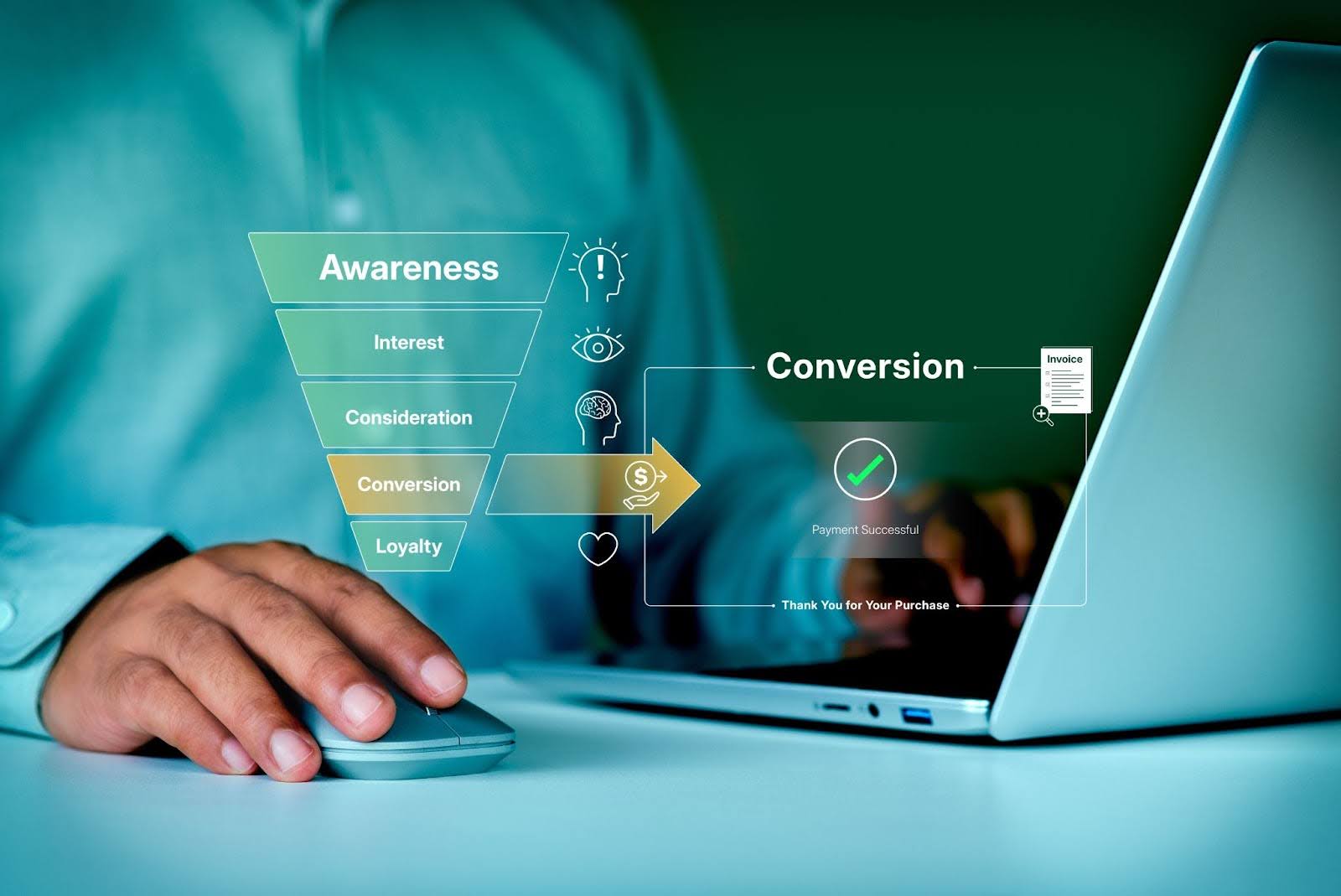
Payroll operations in the United States are undergoing a structural shift as organizations modernize HR, finance, and workforce technology stacks.
According to a study, nearly 49% of U.S. employees report payroll errors each year, with integration gaps cited as a leading cause of rework and compliance exposure. As businesses scale across states, entities, and employment models, payroll API integrations are emerging as a critical foundation for accuracy, speed, and operational resilience.
Rather than relying on manual handoffs or rigid point integrations, API-driven payroll systems enable consistent data movement, real-time synchronization, and future-ready payroll infrastructure built for complexity.
This transition reflects a broader move toward automation-first payroll architectures that support growth without increasing risk.
Why Legacy Payroll Architectures Are No Longer Sustainable?
Traditional payroll setups were designed for single systems and stable workforce structures. Modern organizations now require payroll frameworks that adapt to continuous change.
Legacy payroll integrations rely heavily on batch files, manual uploads, and custom scripts that break easily when business requirements evolve. As workforce models diversify and regulatory complexity increases, these brittle connections slow payroll cycles and increase operational dependency on manual intervention.
Payroll API integrations replace static workflows with dynamic data exchange, enabling systems to communicate continuously rather than episodically. This shift allows payroll processes to remain accurate even as upstream HR or finance data changes frequently.
As organizations seek agility without sacrificing control, legacy architectures increasingly fail to meet modern payroll expectations.
How API-Driven Payroll Systems Enable Real-Time Workforce Operations?
API-driven payroll systems move payroll from a reactive function to an always-synced operational layer supporting real-time workforce management.
Real-time payroll data exchange ensures that changes to employee status, compensation, or benefits are reflected immediately across systems. This reduces payroll surprises, minimizes retroactive adjustments, and improves confidence in downstream reporting.
By using payroll API integrations, organizations can align payroll execution with workforce events rather than relying on delayed reconciliation cycles. This creates tighter coordination between HR, finance, and payroll teams.
The result is a payroll environment that responds to business activity as it happens, not weeks later.
Key Drivers Accelerating Adoption of Payroll API Integrations
Several structural trends are pushing organizations toward API-based payroll architectures.
- Workforce decentralization across states and entities: As businesses expand geographically, payroll rules vary significantly by jurisdiction. Payroll API integrations allow centralized systems to apply localized logic automatically without duplicating workflows for each state or entity.
- Increased reliance on multi-system HR ecosystems: Modern HR stacks include HRIS, benefits, time tracking, and accounting platforms. APIs enable payroll to function as a connected node within this ecosystem instead of a disconnected end process.
- Demand for faster payroll cycles and corrections: Shorter payroll cycles and on-demand payments require immediate data validation. API-driven payroll systems support rapid adjustments without manual file exchanges or processing delays.
- Heightened compliance and audit expectations: Regulators increasingly expect clear data lineage and auditability. API-based integrations create traceable data flows that simplify audits and reduce compliance ambiguity.
- Pressure to reduce engineering maintenance overhead: Custom payroll integrations consume significant development resources. Standardized APIs reduce long-term maintenance while improving integration reliability.
These drivers collectively explain why API adoption is accelerating across industries.
How Payroll API Integrations Improve Accuracy and Trust?
Payroll accuracy is not just a technical concern; it directly impacts employee trust and organizational credibility.
API-driven payroll systems reduce data duplication by synchronizing information from a single source of truth. This minimizes discrepancies between payroll, HR, and finance records, lowering the risk of incorrect payments.
With payroll API integrations, validation rules can be enforced consistently across systems before payroll execution. Errors are identified earlier, when correction costs are lowest and reputational impact is minimal.
Consistent, accurate payroll builds employee confidence while reducing downstream reconciliation work for finance teams.
Scaling Payroll Operations Without Increasing Complexity
Growth often exposes the limitations of traditional payroll integration strategies.
API-driven payroll architectures allow organizations to add new systems, providers, or entities without redesigning core payroll logic. This modularity supports scaling without exponential increases in integration complexity.
By abstracting vendor-specific details behind standardized interfaces, payroll API integrations prevent tight coupling between systems. This reduces disruption when payroll providers update schemas or expand functionality.
Scalable payroll integration design ensures that operational growth does not translate into technical fragility or rising maintenance costs.
Strategic Advantages of API-Driven Payroll Ecosystems
Beyond efficiency, payroll APIs enable broader strategic capabilities.
- Unified payroll visibility across platforms: Centralized APIs provide consistent payroll data access for analytics, forecasting, and compliance reporting without manual aggregation.
- Faster onboarding of payroll-related applications: New HR or finance tools can connect quickly using standardized payroll endpoints, accelerating digital transformation initiatives.
- Improved payroll governance and controls: APIs support role-based access, logging, and approval workflows that strengthen internal payroll governance.
- Reduced reliance on payroll vendor lock-in: API abstraction allows organizations to change payroll providers with minimal disruption to connected systems.
- Foundation for advanced automation and insights: Reliable payroll data feeds enable advanced use cases such as real-time labor cost modeling and predictive analytics.
These advantages position payroll APIs as strategic enablers rather than operational utilities.
Conclusion
The future of payroll lies in connected, API-driven ecosystems that prioritize accuracy, scalability, and adaptability. As workforce complexity increases, organizations can no longer rely on fragile integrations or manual reconciliation to manage payroll effectively.
Payroll API integrations provide the structural foundation needed to synchronize data, enforce compliance, and support continuous change without operational disruption.
Modern integration platforms are increasingly designed to unify payroll connectivity across systems, reducing engineering overhead while improving reliability. Solutions built around universal payroll APIs demonstrate how organizations can simplify integration strategy while preparing for future growth.
By adopting API-first payroll infrastructure, businesses transform payroll from a risk-prone back-office task into a resilient, data-driven capability aligned with long-term operational and financial goals.