BitcoinWorld Iran Crypto Market Faces Shocking Decline Amidst Geopolitical Turmoil The Iran crypto market is currently navigating turbulent waters, experiencing a significant slump that has caught the attention of global observers. What exactly is driving this downturn, and what does it mean for investors? Let’s dive into the compelling details. What’s Behind the Steep Decline in Iran’s Crypto Market? Recent reports paint a clear picture of stagnation in the Iran crypto market. Blockchain analytics firm TRM Labs, cited by Cointelegraph, highlights a sharp contraction in trading activity. This isn’t just a minor dip; it represents a notable shift in the country’s digital asset landscape. From January to July of this year, Iran saw a total crypto trading volume of $3.7 billion. This figure marks an 11% decrease compared to the same period last year. The decline became particularly pronounced during June and July, raising concerns among market participants. Geopolitical Tensions and Their Impact on Iran Crypto Market Sentiment TRM Labs attributes this downturn to a confluence of factors. One major contributor is the ongoing geopolitical conflict involving Iran, specifically its tensions with Israel. Such external conflicts inevitably cast a long shadow over financial markets, and the Iran crypto market is no exception. Geopolitical risks create uncertainty, making investors hesitant to commit capital. This cautious approach often leads to reduced trading volumes and a general cooling of market enthusiasm. It’s a classic example of how global events can ripple through local economies, even in the decentralized world of cryptocurrency. The Nobitex Hack: A Blow to Investor Trust in the Iran Crypto Market Adding to the woes of the Iran crypto market was a significant security breach. The hack of Nobitex, Iran’s largest cryptocurrency exchange, delivered a substantial blow to investor confidence. An exchange hack is always a severe event, but for the leading platform, its impact is amplified. This incident, in particular, led to a sharp contraction in investor sentiment. When a major exchange is compromised, it raises questions about the security and reliability of the entire ecosystem. This erosion of trust can take a long time to rebuild, further hindering market recovery. Navigating the Challenges: What Lies Ahead for Iran’s Digital Assets? The challenges facing the Iran crypto market are multifaceted, combining external political pressures with internal security vulnerabilities. For investors, understanding these dynamics is crucial. The current environment calls for heightened vigilance and a careful assessment of risks. Here are some key takeaways for those observing or participating in the market: Increased Volatility: Geopolitical events often lead to unpredictable price swings. Security Concerns: Exchange hacks underscore the importance of robust security practices for users. Regulatory Scrutiny: Market instability might prompt further government oversight or regulations. Long-term Outlook: Recovery depends on both geopolitical stability and enhanced security measures within the crypto infrastructure. The recent slump in the Iran crypto market is a stark reminder of how interconnected global events and digital finance truly are. While geopolitical tensions and security breaches have undoubtedly dampened enthusiasm and trading volumes, the resilience of the crypto community and the potential for future innovation remain. Moving forward, rebuilding trust and fostering a secure environment will be paramount for the market’s resurgence. Frequently Asked Questions (FAQs) What caused the recent slump in the Iran crypto market?The slump is primarily due to geopolitical conflicts, particularly tensions with Israel, and a major hack on Nobitex, Iran’s largest cryptocurrency exchange. These factors severely impacted investor sentiment and trading volume. How much did Iran’s crypto trading volume decrease?From January to July of this year, Iran’s total crypto trading volume was $3.7 billion, representing an 11% decrease compared to the same period last year. What was the impact of the Nobitex exchange hack?The hack on Nobitex, Iran’s largest exchange, significantly eroded investor confidence and led to a sharp contraction in sentiment, as it raised concerns about the security of digital assets in the country. Are geopolitical conflicts a common factor affecting crypto markets?Yes, geopolitical conflicts often introduce significant uncertainty into financial markets, including cryptocurrency. They can lead to increased volatility, reduced trading, and a more cautious investment approach. What are the main challenges for the Iran crypto market going forward?Key challenges include navigating ongoing geopolitical risks, enhancing cybersecurity measures across exchanges to restore investor trust, and potentially adapting to evolving regulatory frameworks. Did you find this analysis of the Iran crypto market insightful? Share this article with your network on social media to keep others informed about the critical factors shaping the global crypto landscape! To learn more about the latest explore our article on key developments shaping the Iran crypto market‘s future outlook. This post Iran Crypto Market Faces Shocking Decline Amidst Geopolitical Turmoil first appeared on BitcoinWorld and is written by Editorial TeamBitcoinWorld Iran Crypto Market Faces Shocking Decline Amidst Geopolitical Turmoil The Iran crypto market is currently navigating turbulent waters, experiencing a significant slump that has caught the attention of global observers. What exactly is driving this downturn, and what does it mean for investors? Let’s dive into the compelling details. What’s Behind the Steep Decline in Iran’s Crypto Market? Recent reports paint a clear picture of stagnation in the Iran crypto market. Blockchain analytics firm TRM Labs, cited by Cointelegraph, highlights a sharp contraction in trading activity. This isn’t just a minor dip; it represents a notable shift in the country’s digital asset landscape. From January to July of this year, Iran saw a total crypto trading volume of $3.7 billion. This figure marks an 11% decrease compared to the same period last year. The decline became particularly pronounced during June and July, raising concerns among market participants. Geopolitical Tensions and Their Impact on Iran Crypto Market Sentiment TRM Labs attributes this downturn to a confluence of factors. One major contributor is the ongoing geopolitical conflict involving Iran, specifically its tensions with Israel. Such external conflicts inevitably cast a long shadow over financial markets, and the Iran crypto market is no exception. Geopolitical risks create uncertainty, making investors hesitant to commit capital. This cautious approach often leads to reduced trading volumes and a general cooling of market enthusiasm. It’s a classic example of how global events can ripple through local economies, even in the decentralized world of cryptocurrency. The Nobitex Hack: A Blow to Investor Trust in the Iran Crypto Market Adding to the woes of the Iran crypto market was a significant security breach. The hack of Nobitex, Iran’s largest cryptocurrency exchange, delivered a substantial blow to investor confidence. An exchange hack is always a severe event, but for the leading platform, its impact is amplified. This incident, in particular, led to a sharp contraction in investor sentiment. When a major exchange is compromised, it raises questions about the security and reliability of the entire ecosystem. This erosion of trust can take a long time to rebuild, further hindering market recovery. Navigating the Challenges: What Lies Ahead for Iran’s Digital Assets? The challenges facing the Iran crypto market are multifaceted, combining external political pressures with internal security vulnerabilities. For investors, understanding these dynamics is crucial. The current environment calls for heightened vigilance and a careful assessment of risks. Here are some key takeaways for those observing or participating in the market: Increased Volatility: Geopolitical events often lead to unpredictable price swings. Security Concerns: Exchange hacks underscore the importance of robust security practices for users. Regulatory Scrutiny: Market instability might prompt further government oversight or regulations. Long-term Outlook: Recovery depends on both geopolitical stability and enhanced security measures within the crypto infrastructure. The recent slump in the Iran crypto market is a stark reminder of how interconnected global events and digital finance truly are. While geopolitical tensions and security breaches have undoubtedly dampened enthusiasm and trading volumes, the resilience of the crypto community and the potential for future innovation remain. Moving forward, rebuilding trust and fostering a secure environment will be paramount for the market’s resurgence. Frequently Asked Questions (FAQs) What caused the recent slump in the Iran crypto market?The slump is primarily due to geopolitical conflicts, particularly tensions with Israel, and a major hack on Nobitex, Iran’s largest cryptocurrency exchange. These factors severely impacted investor sentiment and trading volume. How much did Iran’s crypto trading volume decrease?From January to July of this year, Iran’s total crypto trading volume was $3.7 billion, representing an 11% decrease compared to the same period last year. What was the impact of the Nobitex exchange hack?The hack on Nobitex, Iran’s largest exchange, significantly eroded investor confidence and led to a sharp contraction in sentiment, as it raised concerns about the security of digital assets in the country. Are geopolitical conflicts a common factor affecting crypto markets?Yes, geopolitical conflicts often introduce significant uncertainty into financial markets, including cryptocurrency. They can lead to increased volatility, reduced trading, and a more cautious investment approach. What are the main challenges for the Iran crypto market going forward?Key challenges include navigating ongoing geopolitical risks, enhancing cybersecurity measures across exchanges to restore investor trust, and potentially adapting to evolving regulatory frameworks. Did you find this analysis of the Iran crypto market insightful? Share this article with your network on social media to keep others informed about the critical factors shaping the global crypto landscape! To learn more about the latest explore our article on key developments shaping the Iran crypto market‘s future outlook. This post Iran Crypto Market Faces Shocking Decline Amidst Geopolitical Turmoil first appeared on BitcoinWorld and is written by Editorial Team

Iran Crypto Market Faces Shocking Decline Amidst Geopolitical Turmoil

BitcoinWorld
Iran Crypto Market Faces Shocking Decline Amidst Geopolitical Turmoil

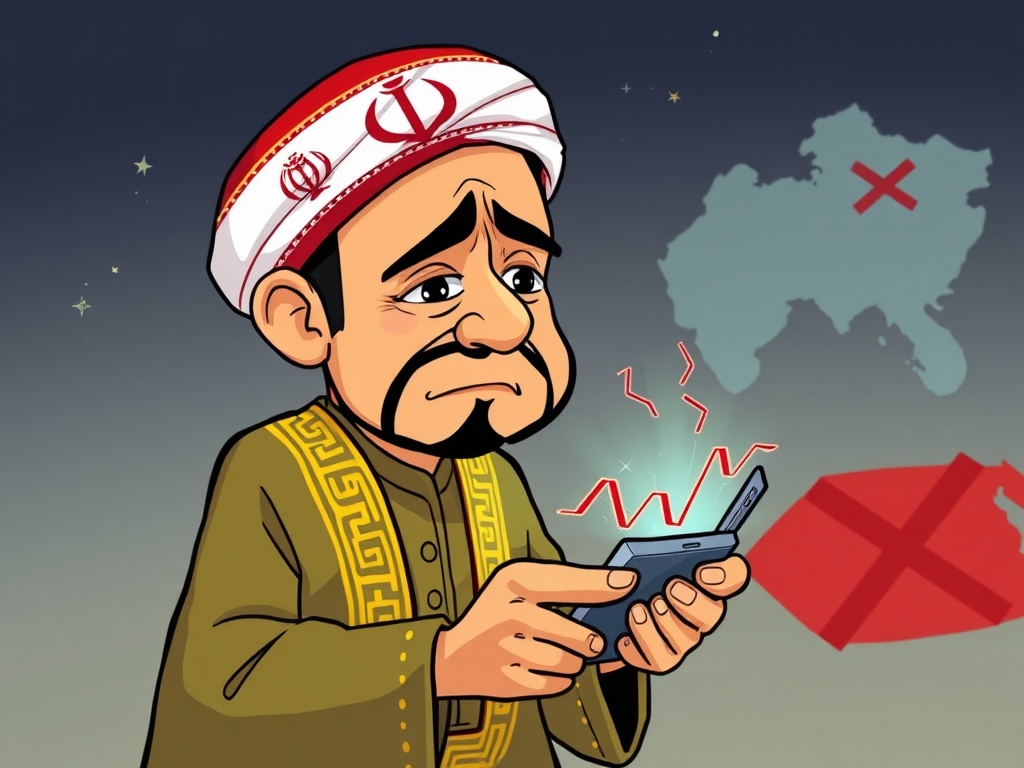
The Iran crypto market is currently navigating turbulent waters, experiencing a significant slump that has caught the attention of global observers. What exactly is driving this downturn, and what does it mean for investors? Let’s dive into the compelling details.

What’s Behind the Steep Decline in Iran’s Crypto Market?

Recent reports paint a clear picture of stagnation in the Iran crypto market. Blockchain analytics firm TRM Labs, cited by Cointelegraph, highlights a sharp contraction in trading activity. This isn’t just a minor dip; it represents a notable shift in the country’s digital asset landscape.

From January to July of this year, Iran saw a total crypto trading volume of $3.7 billion. This figure marks an 11% decrease compared to the same period last year. The decline became particularly pronounced during June and July, raising concerns among market participants.

Geopolitical Tensions and Their Impact on Iran Crypto Market Sentiment

TRM Labs attributes this downturn to a confluence of factors. One major contributor is the ongoing geopolitical conflict involving Iran, specifically its tensions with Israel. Such external conflicts inevitably cast a long shadow over financial markets, and the Iran crypto market is no exception.

Geopolitical risks create uncertainty, making investors hesitant to commit capital. This cautious approach often leads to reduced trading volumes and a general cooling of market enthusiasm. It’s a classic example of how global events can ripple through local economies, even in the decentralized world of cryptocurrency.

The Nobitex Hack: A Blow to Investor Trust in the Iran Crypto Market

Adding to the woes of the Iran crypto market was a significant security breach. The hack of Nobitex, Iran’s largest cryptocurrency exchange, delivered a substantial blow to investor confidence. An exchange hack is always a severe event, but for the leading platform, its impact is amplified.

This incident, in particular, led to a sharp contraction in investor sentiment. When a major exchange is compromised, it raises questions about the security and reliability of the entire ecosystem. This erosion of trust can take a long time to rebuild, further hindering market recovery.

The challenges facing the Iran crypto market are multifaceted, combining external political pressures with internal security vulnerabilities. For investors, understanding these dynamics is crucial. The current environment calls for heightened vigilance and a careful assessment of risks.

Here are some key takeaways for those observing or participating in the market:

  • Increased Volatility: Geopolitical events often lead to unpredictable price swings.
  • Security Concerns: Exchange hacks underscore the importance of robust security practices for users.
  • Regulatory Scrutiny: Market instability might prompt further government oversight or regulations.
  • Long-term Outlook: Recovery depends on both geopolitical stability and enhanced security measures within the crypto infrastructure.

The recent slump in the Iran crypto market is a stark reminder of how interconnected global events and digital finance truly are. While geopolitical tensions and security breaches have undoubtedly dampened enthusiasm and trading volumes, the resilience of the crypto community and the potential for future innovation remain. Moving forward, rebuilding trust and fostering a secure environment will be paramount for the market’s resurgence.

Frequently Asked Questions (FAQs)

  • What caused the recent slump in the Iran crypto market?
    The slump is primarily due to geopolitical conflicts, particularly tensions with Israel, and a major hack on Nobitex, Iran’s largest cryptocurrency exchange. These factors severely impacted investor sentiment and trading volume.
  • How much did Iran’s crypto trading volume decrease?
    From January to July of this year, Iran’s total crypto trading volume was $3.7 billion, representing an 11% decrease compared to the same period last year.
  • What was the impact of the Nobitex exchange hack?
    The hack on Nobitex, Iran’s largest exchange, significantly eroded investor confidence and led to a sharp contraction in sentiment, as it raised concerns about the security of digital assets in the country.
  • Are geopolitical conflicts a common factor affecting crypto markets?
    Yes, geopolitical conflicts often introduce significant uncertainty into financial markets, including cryptocurrency. They can lead to increased volatility, reduced trading, and a more cautious investment approach.
  • What are the main challenges for the Iran crypto market going forward?
    Key challenges include navigating ongoing geopolitical risks, enhancing cybersecurity measures across exchanges to restore investor trust, and potentially adapting to evolving regulatory frameworks.

Did you find this analysis of the Iran crypto market insightful? Share this article with your network on social media to keep others informed about the critical factors shaping the global crypto landscape!

To learn more about the latest explore our article on key developments shaping the Iran crypto market‘s future outlook.

This post Iran Crypto Market Faces Shocking Decline Amidst Geopolitical Turmoil first appeared on BitcoinWorld and is written by Editorial Team


Disclaimer: The articles reposted on this site are sourced from public platforms and are provided for informational purposes only. They do not necessarily reflect the views of MEXC. All rights remain with the original authors. If you believe any content infringes on third-party rights, please contact service@support.mexc.com for removal. MEXC makes no guarantees regarding the accuracy, completeness, or timeliness of the content and is not responsible for any actions taken based on the information provided. The content does not constitute financial, legal, or other professional advice, nor should it be considered a recommendation or endorsement by MEXC.

You May Also Like

CME Group to launch options on XRP and SOL futures

CME Group to launch options on XRP and SOL futures

The post CME Group to launch options on XRP and SOL futures appeared on BitcoinEthereumNews.com. CME Group will offer options based on the derivative markets on Solana (SOL) and XRP. The new markets will open on October 13, after regulatory approval.  CME Group will expand its crypto products with options on the futures markets of Solana (SOL) and XRP. The futures market will start on October 13, after regulatory review and approval.  The options will allow the trading of MicroSol, XRP, and MicroXRP futures, with expiry dates available every business day, monthly, and quarterly. The new products will be added to the existing BTC and ETH options markets. ‘The launch of these options contracts builds on the significant growth and increasing liquidity we have seen across our suite of Solana and XRP futures,’ said Giovanni Vicioso, CME Group Global Head of Cryptocurrency Products. The options contracts will have two main sizes, tracking the futures contracts. The new market will be suitable for sophisticated institutional traders, as well as active individual traders. The addition of options markets singles out XRP and SOL as liquid enough to offer the potential to bet on a market direction.  The options on futures arrive a few months after the launch of SOL futures. Both SOL and XRP had peak volumes in August, though XRP activity has slowed down in September. XRP and SOL options to tap both institutions and active traders Crypto options are one of the indicators of market attitudes, with XRP and SOL receiving a new way to gauge sentiment. The contracts will be supported by the Cumberland team.  ‘As one of the biggest liquidity providers in the ecosystem, the Cumberland team is excited to support CME Group’s continued expansion of crypto offerings,’ said Roman Makarov, Head of Cumberland Options Trading at DRW. ‘The launch of options on Solana and XRP futures is the latest example of the…
Share
BitcoinEthereumNews2025/09/18 00:56
XLM Price Prediction: Stellar Targets $0.26-$0.27 Range by February 2026

XLM Price Prediction: Stellar Targets $0.26-$0.27 Range by February 2026

The post XLM Price Prediction: Stellar Targets $0.26-$0.27 Range by February 2026 appeared on BitcoinEthereumNews.com. Zach Anderson Jan 14, 2026 13:31 XLM
Share
BitcoinEthereumNews2026/01/15 10:06
Adoption Leads Traders to Snorter Token

Adoption Leads Traders to Snorter Token

The post Adoption Leads Traders to Snorter Token appeared on BitcoinEthereumNews.com. Largest Bank in Spain Launches Crypto Service: Adoption Leads Traders to Snorter Token Sign Up for Our Newsletter! For updates and exclusive offers enter your email. Leah is a British journalist with a BA in Journalism, Media, and Communications and nearly a decade of content writing experience. Over the last four years, her focus has primarily been on Web3 technologies, driven by her genuine enthusiasm for decentralization and the latest technological advancements. She has contributed to leading crypto and NFT publications – Cointelegraph, Coinbound, Crypto News, NFT Plazas, Bitcolumnist, Techreport, and NFT Lately – which has elevated her to a senior role in crypto journalism. Whether crafting breaking news or in-depth reviews, she strives to engage her readers with the latest insights and information. Her articles often span the hottest cryptos, exchanges, and evolving regulations. As part of her ploy to attract crypto newbies into Web3, she explains even the most complex topics in an easily understandable and engaging way. Further underscoring her dynamic journalism background, she has written for various sectors, including software testing (TEST Magazine), travel (Travel Off Path), and music (Mixmag). When she’s not deep into a crypto rabbit hole, she’s probably island-hopping (with the Galapagos and Hainan being her go-to’s). Or perhaps sketching chalk pencil drawings while listening to the Pixies, her all-time favorite band. This website uses cookies. By continuing to use this website you are giving consent to cookies being used. Visit our Privacy Center or Cookie Policy. I Agree Source: https://bitcoinist.com/banco-santander-and-snorter-token-crypto-services/
Share
BitcoinEthereumNews2025/09/17 23:45