

The investment landscape has been evolving at a rapid pace, fueled by technological innovation and changing investor preferences. One of the most transformative developments in recent years is the tokenization of assets—a concept that is redefining how we think about ownership, liquidity, and accessibility in financial markets. By converting traditional assets into digital tokens on a blockchain, tokenization is opening the door to a new era of investment opportunities, democratizing access, and enhancing market efficiency.
Understanding Tokenization
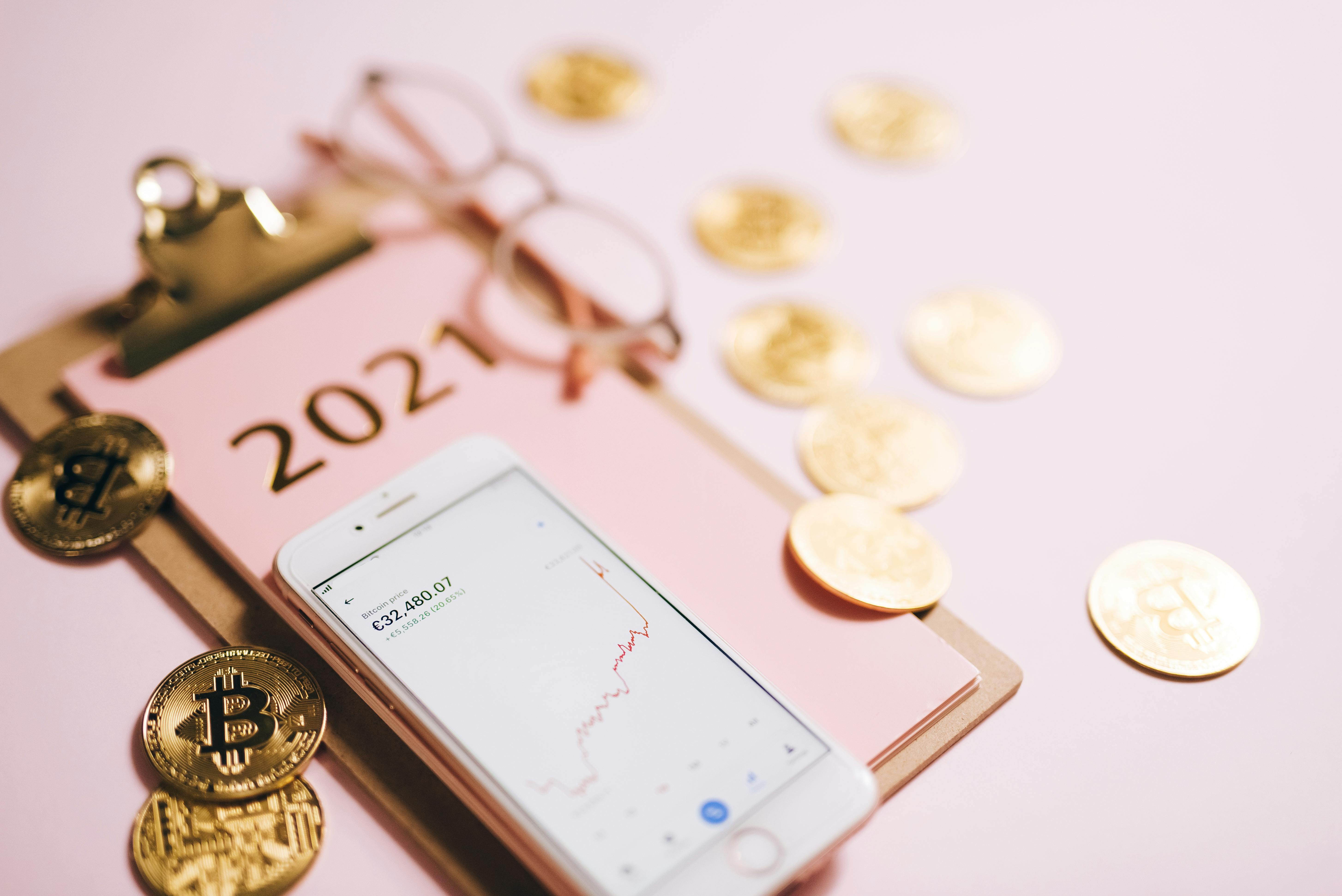
At its core, tokenization is the process of representing a real-world asset, such as real estate, stocks, bonds, or art, as a digital token on a blockchain. Each token signifies a fractional ownership of the underlying asset, secured by blockchain technology. Unlike traditional investments, these tokens are highly divisible, tradeable 24/7, and often come with smart contracts that automate compliance and ownership transfer.
For example, a high-value commercial property worth $10 million can be divided into 10,000 tokens, each representing a $1,000 stake. Investors who previously could not participate due to capital constraints can now buy a fraction of the property, enjoying exposure to the asset without the need to manage the entire property or invest millions upfront.
Benefits of Tokenization
- Increased Liquidity
Many traditional assets, such as real estate or fine art, are illiquid and require significant time and effort to buy or sell. Tokenization creates a secondary market for these assets, allowing tokens to be traded quickly and efficiently. This liquidity reduces the barriers for investors and enables them to react to market changes more dynamically.
- Fractional Ownership
By enabling fractional ownership, tokenization lowers the entry threshold for investments. This democratizes access to previously exclusive markets, allowing a broader range of investors to participate. Small investors can now diversify their portfolios across asset classes like real estate, commodities, and private equity—opportunities once reserved for high-net-worth individuals.
- Transparency and Security
Blockchain technology, the backbone of tokenization, provides a transparent, immutable ledger of all transactions. Investors can track ownership history, transaction records, and asset provenance in real time. This level of transparency reduces fraud and enhances trust among participants, particularly in markets where traditional record-keeping is fragmented or opaque.
- Global Market Access
Tokenized assets are not bound by geography. Investors from anywhere in the world can participate in global investment opportunities, provided regulatory compliance is ensured. This opens up new pools of capital for asset owners and broadens the investor base for financial products, creating a more integrated global financial ecosystem.
Challenges and Considerations
Despite its promise, tokenization is still in its nascent stages, and several challenges remain. Regulatory frameworks around digital assets are evolving, and compliance requirements can vary significantly between jurisdictions. Investors must navigate legal and tax implications carefully to avoid unintended consequences.
Additionally, while blockchain ensures security and transparency, the market infrastructure for trading tokenized assets is still developing. Not all tokenized assets have robust secondary markets, and liquidity can vary depending on demand. Custody solutions, fraud prevention, and cybersecurity measures also need to be strengthened to protect investors and maintain confidence.
The Future of Tokenized Investments
The potential of tokenization extends beyond conventional financial markets. Industries like real estate, art, intellectual property, and even sports contracts are exploring tokenization to unlock liquidity and fractional participation. For instance, digital art and collectibles in the form of non-fungible tokens (NFTs) have already demonstrated how fractional ownership and blockchain verification can create entirely new markets.
As technology and regulation mature, tokenization could become a standard method of structuring and trading assets. Traditional financial institutions are increasingly exploring digital asset offerings, while startups and blockchain innovators are creating platforms to facilitate tokenized investments. Over time, tokenization could significantly reduce investment costs, increase transparency, and bring a wider audience into the global financial system.
Conclusion
Tokenization of assets represents a paradigm shift in the investment world. By leveraging blockchain technology, it transforms illiquid, high-barrier assets into accessible, tradeable digital instruments. The benefits—enhanced liquidity, fractional ownership, transparency, and global reach—make tokenization an attractive option for both investors and asset owners. While challenges around regulation, market infrastructure, and security remain, the momentum behind tokenized investments is undeniable. As the market evolves, tokenization is poised to become a cornerstone of modern finance, redefining how wealth is created, distributed, and managed in the digital era.
If you want, I can also create a more engaging version with real-world examples of tokenized assets and stats to make it highly clickable and investor-focused.
Do you want me to do that?








