

Forbes contributor Zennon Kapron has outlined what the next five years could look like for XRP, following the resolution of its legal battle with the SEC. In August 2025, the SEC and Ripple dismissed their appeals, leaving intact the 2023 ruling that sales of XRP on public exchanges are not securities. This outcome has lifted a major barrier to institutional adoption. It allows XRP to reassert itself as one of the leading cryptocurrencies by market capitalization. XRP’s Current Market Position Currently, XRP is trading at $3, with a market cap of around $179 billion, ranking it among the top three digital assets. Daily trading volume regularly surpasses $6 billion, while improved liquidity metrics make it more viable for larger institutional orders. Its price now hovers close to levels last seen during the 2017–2018 bull cycle amid renewed investor confidence in the token. Utility and Adoption Outlook The Forbes article noted that XRP’s next phase will be determined by its use in payments beyond speculation. It cited an estimate of over $5 by Finder as XRP price by 2030, but most would suggest this is a bearish outlook especially considering XRP's drivers identified by the Forbes report. For one, the XRP Ledger, optimized for low-cost and fast settlement, added an automated market maker (AMM) in 2024 to deepen liquidity. According to XRPScan data, AMMs have accumulated over 11.7 million XRP tokens across 22,035 active pools. Meanwhile, Forbes noted that Ripple Payments (formerly RippleNet) now covers more than 90 markets and supports settlements in fiat currencies, stablecoins, and XRP. Corridors like Japan–Philippines and Africa’s Onafriq are already leveraging XRP. As a result, broader adoption could be driven by cost-cutting in remittances, which exceeded $685 billion globally in 2024, with average fees around 6%. Institutional Demand and ETFs The report also noted that Ripple’s dollar-backed stablecoin, RLUSD, custodied by BNY, is aimed at attracting institutions. They have the flexibility to route some transactions through XRP when it proves more efficient. Further, other avenues to generate demand for XRP include ETFs. The report highlighted that multiple filings for U.S. spot XRP ETFs could unlock a new demand channel, similar to what happened with Bitcoin and Ethereum ETFs. Forbes’ Five-Year Outlook for XRP According to the analysis, XRP’s upside lies in its newfound legal clarity, expanding payment corridors, and growing liquidity. These factors make it more attractive for payments and investment products. However, competition from stablecoins, central bank digital currencies, and upgrades to existing systems like SWIFT could limit adoption. Regarding XRP's five-year outlook, Forbes cited a Finder expert panel in July 2025, which predicted that XRP would trade at $2.80 by year-end and $5.25 by 2030. It said whether XRP realizes that trajectory depends largely on how much of Ripple’s payment flows pass through XRP rather than fiat or stablecoins. Meanwhile, other industry publications have also issued XRP price forecasts for 2030, most of which are optimistic. Bitwise, for example, expects XRP to trade at $29 by 2030. Telgaon predicts $48, while Changelly forecasts $23. Meanwhile, prominent voices in the XRP community have set much higher targets, such as $100 and beyond. Forbes concludes that with legal uncertainty resolved, XRP has a stronger footing. Yet, its long-term role will depend on adoption in real-world corridors and institutional access through capital markets.Forbes contributor Zennon Kapron has outlined what the next five years could look like for XRP, following the resolution of its legal battle with the SEC. In August 2025, the SEC and Ripple dismissed their appeals, leaving intact the 2023 ruling that sales of XRP on public exchanges are not securities. This outcome has lifted a major barrier to institutional adoption. It allows XRP to reassert itself as one of the leading cryptocurrencies by market capitalization. XRP’s Current Market Position Currently, XRP is trading at $3, with a market cap of around $179 billion, ranking it among the top three digital assets. Daily trading volume regularly surpasses $6 billion, while improved liquidity metrics make it more viable for larger institutional orders. Its price now hovers close to levels last seen during the 2017–2018 bull cycle amid renewed investor confidence in the token. Utility and Adoption Outlook The Forbes article noted that XRP’s next phase will be determined by its use in payments beyond speculation. It cited an estimate of over $5 by Finder as XRP price by 2030, but most would suggest this is a bearish outlook especially considering XRP's drivers identified by the Forbes report. For one, the XRP Ledger, optimized for low-cost and fast settlement, added an automated market maker (AMM) in 2024 to deepen liquidity. According to XRPScan data, AMMs have accumulated over 11.7 million XRP tokens across 22,035 active pools. Meanwhile, Forbes noted that Ripple Payments (formerly RippleNet) now covers more than 90 markets and supports settlements in fiat currencies, stablecoins, and XRP. Corridors like Japan–Philippines and Africa’s Onafriq are already leveraging XRP. As a result, broader adoption could be driven by cost-cutting in remittances, which exceeded $685 billion globally in 2024, with average fees around 6%. Institutional Demand and ETFs The report also noted that Ripple’s dollar-backed stablecoin, RLUSD, custodied by BNY, is aimed at attracting institutions. They have the flexibility to route some transactions through XRP when it proves more efficient. Further, other avenues to generate demand for XRP include ETFs. The report highlighted that multiple filings for U.S. spot XRP ETFs could unlock a new demand channel, similar to what happened with Bitcoin and Ethereum ETFs. Forbes’ Five-Year Outlook for XRP According to the analysis, XRP’s upside lies in its newfound legal clarity, expanding payment corridors, and growing liquidity. These factors make it more attractive for payments and investment products. However, competition from stablecoins, central bank digital currencies, and upgrades to existing systems like SWIFT could limit adoption. Regarding XRP's five-year outlook, Forbes cited a Finder expert panel in July 2025, which predicted that XRP would trade at $2.80 by year-end and $5.25 by 2030. It said whether XRP realizes that trajectory depends largely on how much of Ripple’s payment flows pass through XRP rather than fiat or stablecoins. Meanwhile, other industry publications have also issued XRP price forecasts for 2030, most of which are optimistic. Bitwise, for example, expects XRP to trade at $29 by 2030. Telgaon predicts $48, while Changelly forecasts $23. Meanwhile, prominent voices in the XRP community have set much higher targets, such as $100 and beyond. Forbes concludes that with legal uncertainty resolved, XRP has a stronger footing. Yet, its long-term role will depend on adoption in real-world corridors and institutional access through capital markets.
Forbes Shares XRP Price Timeline for the Next 5 Years
For feedback or concerns regarding this content, please contact us at crypto.news@mexc.com
Forbes contributor Zennon Kapron has outlined what the next five years could look like for XRP, following the resolution of its legal battle with the SEC. In August 2025, the SEC and Ripple dismissed their appeals, leaving intact the 2023 ruling that sales of XRP on public exchanges are not securities. This outcome has lifted a major barrier to institutional adoption. It allows XRP to reassert itself as one of the leading cryptocurrencies by market capitalization. XRP’s Current Market Position Currently, XRP is trading at $3, with a market cap of around $179 billion, ranking it among the top three digital assets. Daily trading volume regularly surpasses $6 billion, while improved liquidity metrics make it more viable for larger institutional orders. Its price now hovers close to levels last seen during the 2017–2018 bull cycle amid renewed investor confidence in the token. Utility and Adoption Outlook The Forbes article noted that XRP’s next phase will be determined by its use in payments beyond speculation. It cited an estimate of over $5 by Finder as XRP price by 2030, but most would suggest this is a bearish outlook especially considering XRP's drivers identified by the Forbes report. For one, the XRP Ledger, optimized for low-cost and fast settlement, added an automated market maker (AMM) in 2024 to deepen liquidity. According to XRPScan data, AMMs have accumulated over 11.7 million XRP tokens across 22,035 active pools. Meanwhile, Forbes noted that Ripple Payments (formerly RippleNet) now covers more than 90 markets and supports settlements in fiat currencies, stablecoins, and XRP. Corridors like Japan–Philippines and Africa’s Onafriq are already leveraging XRP. As a result, broader adoption could be driven by cost-cutting in remittances, which exceeded $685 billion globally in 2024, with average fees around 6%. Institutional Demand and ETFs The report also noted that Ripple’s dollar-backed stablecoin, RLUSD, custodied by BNY, is aimed at attracting institutions. They have the flexibility to route some transactions through XRP when it proves more efficient. Further, other avenues to generate demand for XRP include ETFs. The report highlighted that multiple filings for U.S. spot XRP ETFs could unlock a new demand channel, similar to what happened with Bitcoin and Ethereum ETFs. Forbes’ Five-Year Outlook for XRP According to the analysis, XRP’s upside lies in its newfound legal clarity, expanding payment corridors, and growing liquidity. These factors make it more attractive for payments and investment products. However, competition from stablecoins, central bank digital currencies, and upgrades to existing systems like SWIFT could limit adoption. Regarding XRP's five-year outlook, Forbes cited a Finder expert panel in July 2025, which predicted that XRP would trade at $2.80 by year-end and $5.25 by 2030. It said whether XRP realizes that trajectory depends largely on how much of Ripple’s payment flows pass through XRP rather than fiat or stablecoins. Meanwhile, other industry publications have also issued XRP price forecasts for 2030, most of which are optimistic. Bitwise, for example, expects XRP to trade at $29 by 2030. Telgaon predicts $48, while Changelly forecasts $23. Meanwhile, prominent voices in the XRP community have set much higher targets, such as $100 and beyond. Forbes concludes that with legal uncertainty resolved, XRP has a stronger footing. Yet, its long-term role will depend on adoption in real-world corridors and institutional access through capital markets.
Market Opportunity
RealLink Price(REAL)
$0.07752
$0.07752$0.07752
USD
RealLink (REAL) Live Price Chart


Disclaimer: The articles reposted on this site are sourced from public platforms and are provided for informational purposes only. They do not necessarily reflect the views of MEXC. All rights remain with the original authors. If you believe any content infringes on third-party rights, please contact crypto.news@mexc.com for removal. MEXC makes no guarantees regarding the accuracy, completeness, or timeliness of the content and is not responsible for any actions taken based on the information provided. The content does not constitute financial, legal, or other professional advice, nor should it be considered a recommendation or endorsement by MEXC.
You May Also Like
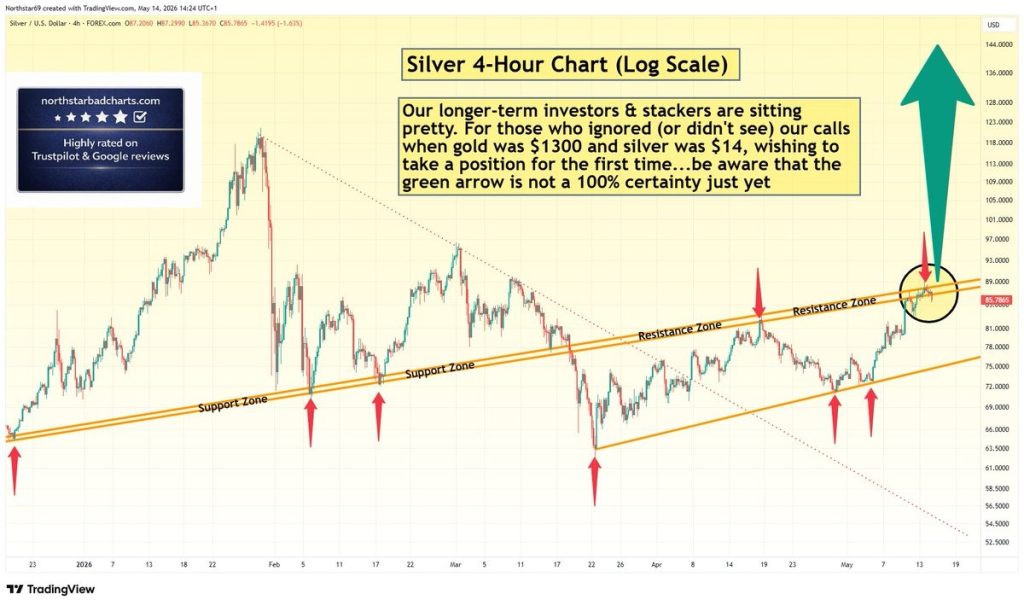
Silver Price Warning: Green Arrow Setup Is Not Confirmed – Wait for Clear Signal
The silver price is back near one of the most important zones on the chart, and traders are starting to get cautious. After a massive rally over the past year pushed
Share
Captainaltcoin2026/05/15 06:30

Facebook spotlights African cinema in 6th ‘Made by Africa, loved by the world’ campaign
Ahead of Africa Day on May 25th, Facebook has launched the sixth edition of its pan-African campaign, “Made…
Share
Technext2026/05/15 05:50

Photographer stumbles on never-seen Epstein images he thought were destroyed: report
A photographer discovered never-before-seen photographs of disgraced financier Jeffrey Epstein in his belongings as he was preparing to move to Europe, which he
Share
Rawstory2026/05/15 06:42



