China Threatens Immediate Retaliation as U.S. Weighs New Tariffs in High-Stakes Trade Clash
Title: China Warns of Retaliation if U.S. Moves Forward With New Tariffs in Renewed Trade Tensions
China has issued a warning that it will take retaliatory measures if the United States proceeds with plans to impose new tariffs, raising concerns about a potential escalation in trade tensions between the world’s two largest economies.
The statement underscores fragile dynamics in U.S.-China economic relations, which have experienced cycles of cooperation and confrontation over the past decade. The update was confirmed by Watcher.Guru through its official X account and cited by Hokanews, drawing global attention to the possibility of renewed tariff measures.
With supply chains, financial markets and geopolitical alliances intertwined, even preliminary warnings can reverberate across industries and asset classes.
 |
| Source: XPost |
A Renewed Warning From Beijing
Officials in China signaled that they would respond decisively if additional U.S. tariffs are implemented.
While specific countermeasures were not detailed publicly, previous rounds of tariff disputes have included:
Reciprocal tariffs on U.S. goods
Restrictions on strategic exports
Regulatory scrutiny of foreign companies
Currency policy adjustments
The warning suggests that Beijing remains prepared to defend its trade interests if tensions escalate.
Background of U.S.-China Trade Relations
Trade relations between United States and China have been complex, characterized by deep economic interdependence alongside strategic rivalry.
The trade dispute that intensified in 2018 introduced tariffs on hundreds of billions of dollars in goods.
While partial agreements were reached in subsequent years, tensions have periodically resurfaced over technology restrictions, export controls and supply chain security.
Any new tariff action would signal a shift toward renewed confrontation.
Economic Stakes
The U.S. and China represent the world’s two largest economies.
Bilateral trade volumes reach hundreds of billions of dollars annually, encompassing sectors such as:
Electronics and semiconductors
Agriculture and energy
Automotive manufacturing
Consumer goods
Tariff escalation could increase costs for businesses and consumers in both countries.
Economists warn that higher import duties often translate into elevated prices and disrupted supply chains.
Market Implications
Financial markets are sensitive to trade policy developments.
Equity markets, commodity prices and currency valuations often react quickly to signs of trade friction.
Investors monitor tariff announcements as indicators of potential growth slowdowns or inflationary pressures.
A renewed tariff cycle could:
Increase volatility in global equity markets
Influence commodity demand forecasts
Impact currency exchange rates
Affect multinational corporate earnings
Market participants may adjust portfolios in anticipation of heightened uncertainty.
Strategic and Geopolitical Dimensions
Trade policy intersects with broader geopolitical considerations.
Technology transfer, intellectual property rights and national security concerns have shaped the U.S.-China relationship.
Tariffs can function not only as economic tools but also as leverage in strategic negotiations.
China’s warning of retaliation underscores the diplomatic weight attached to trade measures.
Potential Retaliatory Measures
While Beijing did not specify its intended response, historical precedent offers clues.
China has previously responded to U.S. tariffs by targeting politically sensitive industries.
Agricultural exports, particularly soybeans and other commodities, were affected during earlier trade disputes.
Regulatory measures affecting U.S. companies operating in China have also been employed.
The scope and scale of any response would likely depend on the magnitude of U.S. tariff actions.
Global Supply Chain Impact
Modern supply chains are deeply integrated across borders.
Tariff increases can disrupt production timelines and raise input costs.
Companies may accelerate diversification strategies to reduce reliance on single-country sourcing.
The prospect of renewed trade tensions could encourage businesses to reassess supply chain resilience.
Inflation and Monetary Policy Considerations
Tariffs can contribute to inflationary pressures by increasing import costs.
Central banks monitor such developments closely when evaluating monetary policy.
Should trade tensions intensify, policymakers may face additional complexity in balancing inflation control and economic growth.
Diplomatic Pathways
Despite public warnings, diplomatic channels remain open.
Trade disputes often involve negotiation phases aimed at avoiding full escalation.
Observers note that warnings of retaliation can function as negotiation signals rather than definitive commitments.
The ultimate outcome may depend on bilateral dialogue and domestic political considerations.
Confirmation and Public Attention
The warning from China was confirmed by Watcher.Guru on X and cited by Hokanews, highlighting its global relevance.
Social media amplification of trade policy updates can accelerate market reactions.
Investors, policymakers and corporate leaders are likely to monitor subsequent statements closely.
Looking Ahead
The trajectory of U.S.-China trade relations remains uncertain.
If new tariffs are implemented, retaliation could follow, potentially affecting multiple industries.
Conversely, diplomatic engagement could de-escalate tensions before formal measures take effect.
The warning underscores the fragility of global trade stability.
As the world’s largest economies navigate complex economic and strategic challenges, their policy decisions carry global consequences.
For markets and businesses alike, the coming weeks may prove pivotal in determining whether tensions intensify or negotiations prevail.
hokanews.com – Not Just Crypto News. It’s Crypto Culture.
Writer @Ethan
Ethan Collins is a passionate crypto journalist and blockchain enthusiast, always on the hunt for the latest trends shaking up the digital finance world. With a knack for turning complex blockchain developments into engaging, easy-to-understand stories, he keeps readers ahead of the curve in the fast-paced crypto universe. Whether it’s Bitcoin, Ethereum, or emerging altcoins, Ethan dives deep into the markets to uncover insights, rumors, and opportunities that matter to crypto fans everywhere.
Disclaimer:
The articles on HOKANEWS are here to keep you updated on the latest buzz in crypto, tech, and beyond—but they’re not financial advice. We’re sharing info, trends, and insights, not telling you to buy, sell, or invest. Always do your own homework before making any money moves.
HOKANEWS isn’t responsible for any losses, gains, or chaos that might happen if you act on what you read here. Investment decisions should come from your own research—and, ideally, guidance from a qualified financial advisor. Remember: crypto and tech move fast, info changes in a blink, and while we aim for accuracy, we can’t promise it’s 100% complete or up-to-date.


You May Also Like

Cango Inc. Completes $65M Investment and Secures $10M Convertible Note Financing
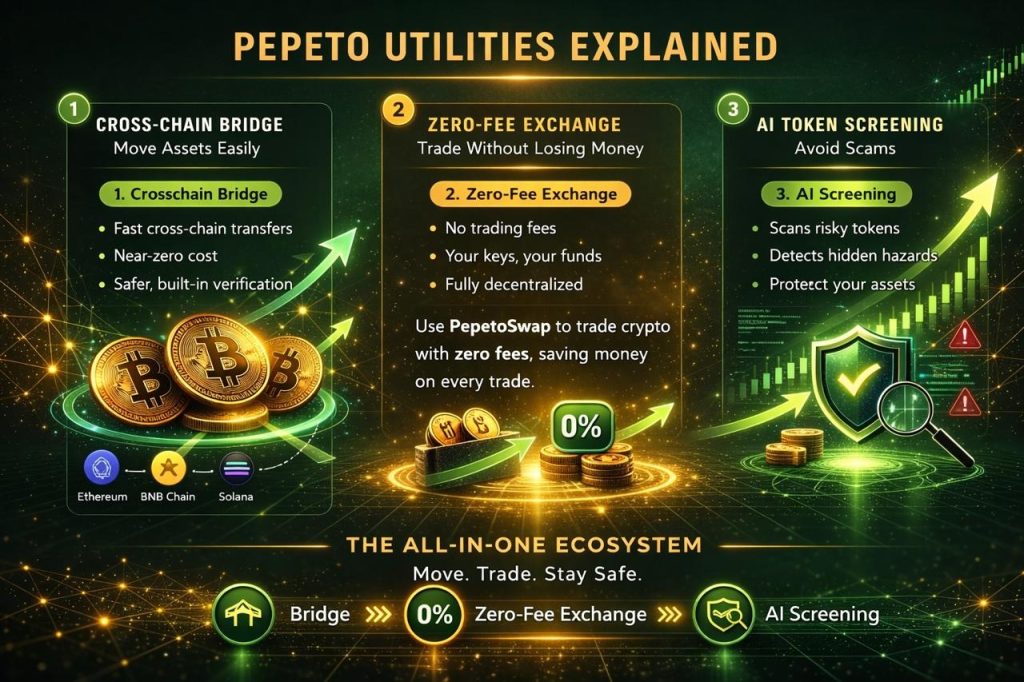
Shiba Inu Price Prediction Weakens as AI Token Sector Surges 30% to $19B While Pepeto SHIB and TAO Take Different Paths