

Best Cryptocurrencies to Hold Long Term in 2026: Bitcoin, Ethereum and Solana Lead
TLDR
- Bitcoin is now considered a macro asset class, with spot ETFs approved and sovereign wealth funds exploring exposure
- Ethereum powers DeFi, stablecoins, and real-world asset tokenization, with deflationary mechanics under high demand
- Solana leads all Layer 1 blockchains in daily active users and transaction volume after rebuilding post-FTX collapse
- Chainlink dominates as the oracle network connecting smart contracts to real-world data, critical for asset tokenization
- Avalanche’s subnet architecture is attracting institutional partners including Amazon Web Services and Deloitte
The crypto market in 2025 looks different from years past. Institutional money has entered, regulations are becoming clearer, and use cases that once seemed experimental are now being used at scale.
Bitcoin ETFs are pulling in billions of dollars. Real-world assets are being tokenized on blockchains. Decentralized finance is processing trillions in volume. The question now is which assets will capture the most value over the next three to five years.
This list covers five cryptocurrencies split across two tiers: three large-cap assets with institutional backing, and two mid-cap projects with higher growth potential.
Bitcoin
Bitcoin has moved beyond being just a crypto asset. It is now treated by many investors as a macro asset class, similar to gold.
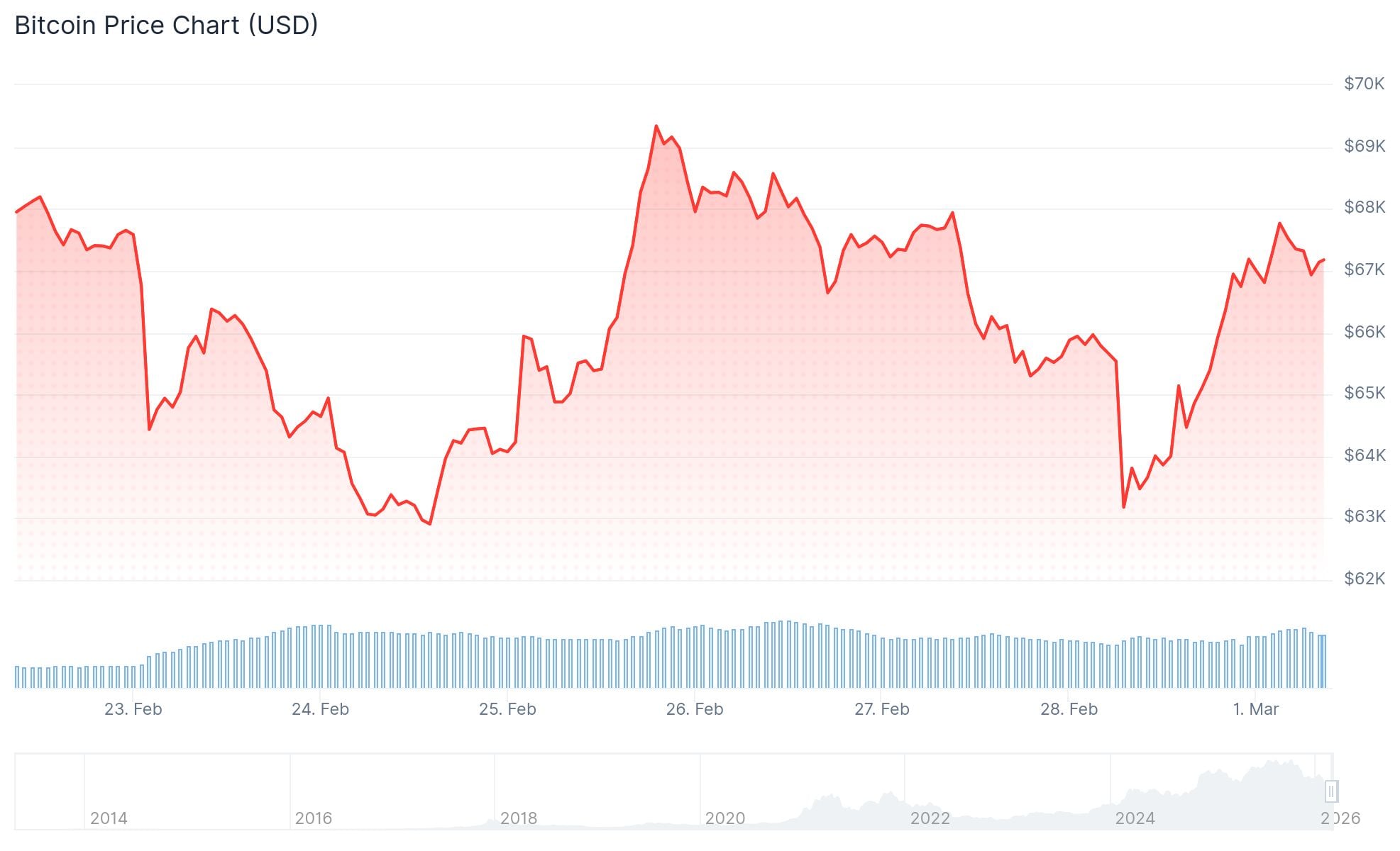 Bitcoin (BTC) Price
Spot ETF approvals in the US have brought Bitcoin into mainstream financial products. Its supply is fixed at 21 million coins, meaning no central authority can increase that number.
The 2024 halving reduced the rate at which new Bitcoin enters circulation. Sovereign wealth funds have begun exploring Bitcoin exposure, adding another layer of institutional demand.
Ethereum
Ethereum is the base layer for a large portion of the crypto economy. It supports decentralized finance, stablecoins, NFTs, and real-world asset tokenization.
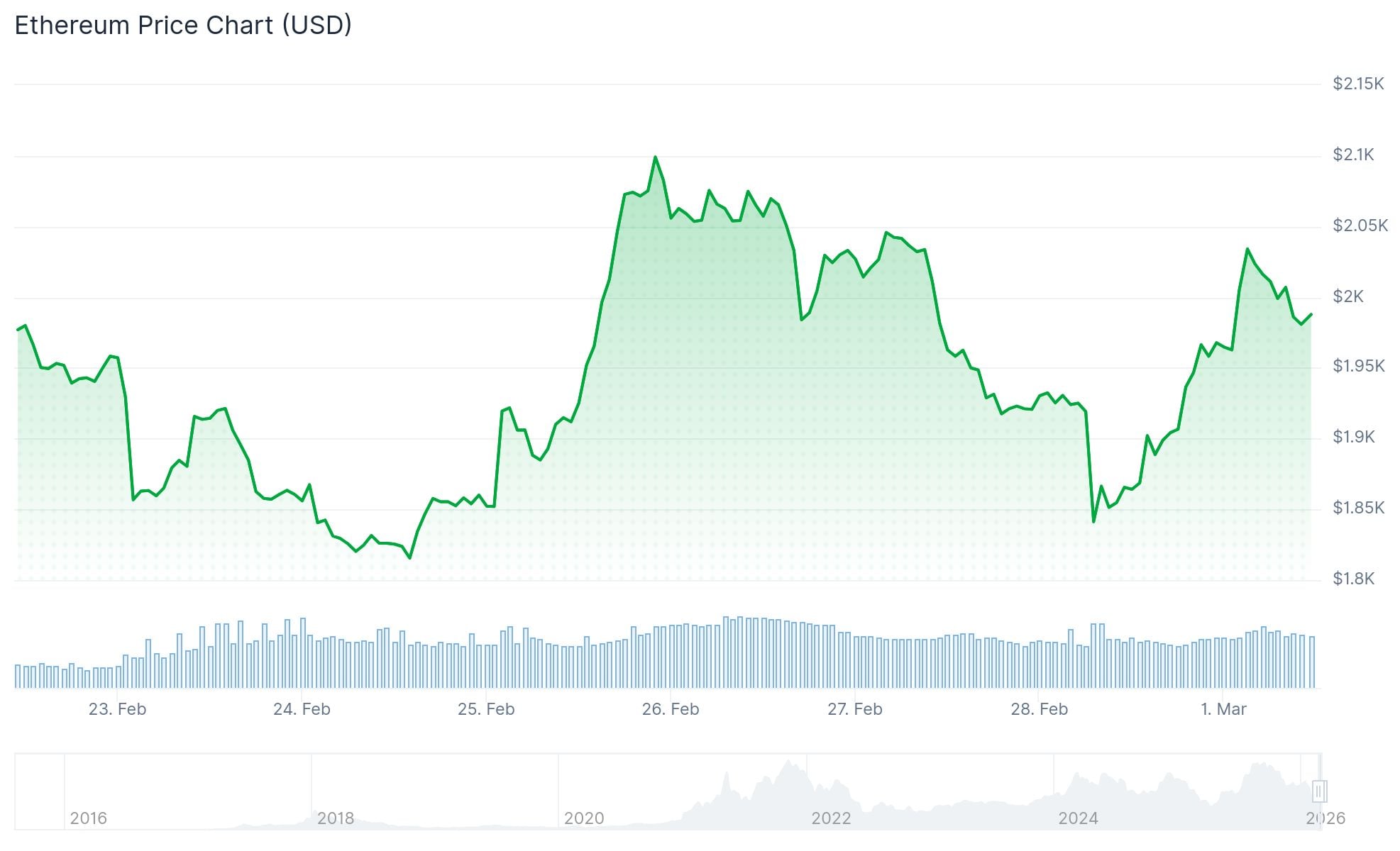 Ethereum (ETH) Price
Since switching to Proof-of-Stake, Ethereum has become deflationary during periods of high network activity. Layer 2 networks like Base, Arbitrum, and Optimism are built on top of Ethereum and are growing in user adoption.
Solana
Solana nearly collapsed after its close ties to FTX became a liability in 2022. It has since recovered and now leads all Layer 1 blockchains in daily active users and transaction volume.
Its network supports consumer payments, decentralized physical infrastructure networks, and high-volume token activity. Developers continue to build on Solana at a fast pace.
Mid-Cap Picks
Chainlink
Chainlink is the dominant oracle network in crypto. It connects smart contracts to external real-world data including price feeds, interest rates, and other inputs.
It is integrated across nearly every major DeFi protocol. As tokenization of real-world assets grows, the need for reliable data infrastructure like Chainlink increases.
Avalanche
Avalanche allows organizations to create their own custom blockchains through its subnet architecture. These custom chains remain interoperable with the broader Avalanche ecosystem.
Amazon Web Services and Deloitte have both partnered with Avalanche. The token trades below its all-time high while the project continues to pursue institutional adoption.
Avalanche’s roadmap targets enterprise use cases that require compliant, high-performance blockchains separate from public networks.
The post Best Cryptocurrencies to Hold Long Term in 2026: Bitcoin, Ethereum and Solana Lead appeared first on CoinCentral.


You May Also Like

MAGA rep already wants Trump to pardon soldier who bet big on Maduro's capture
![[OPINION] US Pax Silica initiative: Good or bad?](https://www.rappler.com/tachyon/2024/10/tech-stocks-october-31-2024.jpg?resize=75%2C75&crop=408px%2C0px%2C1080px%2C1080px)
[OPINION] US Pax Silica initiative: Good or bad?




