BitcoinWorld Quantum Computing Security: Urgent Proposal Reaches SEC Crypto Task Force The digital asset world is buzzing with a new, urgent development: a groundbreaking proposal aimed at fortifying quantum computing security within our financial infrastructure. Imagine a future where current encryption, the very backbone of cryptocurrencies, could be vulnerable. This isn’t science fiction anymore, and the U.S. Securities and Exchange Commission (SEC) is now reviewing a proactive plan to tackle this looming threat head-on. What is This Vital Quantum Computing Security Proposal All About? A comprehensive Post-Quantum Financial Infrastructure Framework (PQFIF) has been officially submitted to the SEC’s dedicated crypto task force. This isn’t just another document; it’s a strategic blueprint. The framework underscores the critical need for new regulations and a structured, systematic approach to protect digital assets from the formidable challenges posed by advanced quantum computing capabilities. It’s about building a future-proof foundation for the entire financial system. The core idea behind the PQFIF is foresight. Rather than waiting for quantum computers to become powerful enough to break existing cryptographic standards, this proposal advocates for immediate action. It suggests a phased transition to quantum-resistant algorithms and a re-evaluation of how digital assets are secured across the board, significantly enhancing quantum computing security. Why is Quantum Computing a Game-Changer for Crypto? For those unfamiliar, quantum computing represents a paradigm shift in computational power. Unlike traditional computers that process information in bits (0s and 1s), quantum computers use “qubits,” which can be both 0 and 1 simultaneously. This allows them to solve certain complex problems exponentially faster. Shor’s Algorithm: This quantum algorithm, if fully realized, could efficiently break widely used public-key cryptography, including RSA and Elliptic Curve Cryptography (ECC). These are fundamental to securing blockchain transactions and digital signatures. Grover’s Algorithm: While not breaking encryption outright, Grover’s algorithm could significantly speed up brute-force attacks, making current symmetric encryption methods much less secure. The potential impact on blockchain technology and cryptocurrencies is profound. If the cryptographic foundations of Bitcoin, Ethereum, and other digital assets were compromised, it could lead to widespread theft, loss of trust, and market instability. Therefore, addressing quantum computing security is not merely an academic exercise, but an existential imperative for the crypto space. How Does the Proposed Framework Enhance Quantum Computing Security? The PQFIF isn’t just about identifying problems; it’s about offering solutions. It champions a multi-pronged strategy to bolster quantum computing security: New Regulations: Establishing clear, enforceable rules for financial institutions and crypto platforms to adopt post-quantum cryptographic standards. This ensures a consistent level of protection across the ecosystem. Structural Approach: A coordinated effort to upgrade infrastructure, from hardware to software, incorporating quantum-resistant algorithms. This involves collaboration between regulators, industry leaders, and academic researchers. Research & Development: Encouraging continued innovation in post-quantum cryptography (PQC) to stay ahead of evolving threats. The goal is to develop and deploy cryptographic primitives that can withstand quantum attacks. By proactively integrating these measures, the framework aims to ensure the long-term integrity and resilience of digital assets. It seeks to instill confidence in investors and users that their holdings will remain secure, even as quantum technology advances. What Are the Challenges in Implementing This Critical Protection? While the proposal is a crucial step forward, implementing such a sweeping change won’t be without its hurdles. The transition to a post-quantum financial infrastructure is complex and will require significant effort. Technical Complexity: Migrating existing systems and developing new ones with quantum-resistant cryptography is a massive undertaking. It demands specialized expertise and careful planning. Cost Implications: The financial investment required for upgrades, research, and workforce training will be substantial for both public and private entities. Standardization: Achieving global consensus on post-quantum cryptographic standards is essential for interoperability and widespread adoption. Without unified standards, fragmentation could weaken overall security. Resistance to Change: Any major shift faces inertia. Educating stakeholders and demonstrating the urgency of the threat will be key to overcoming resistance. Overcoming these challenges will require strong leadership from the SEC, sustained industry collaboration, and a clear roadmap for implementation, especially concerning quantum computing security. What’s Next for Digital Asset Protection? The submission of the PQFIF to the SEC Crypto Task Force marks a pivotal moment. The SEC’s review process will be critical in shaping the future of digital asset security. This proposal could pave the way for a new era of proactive cybersecurity measures, ensuring the continued growth and stability of the crypto market. For crypto projects and investors, this highlights the importance of staying informed and preparing for potential shifts. Understanding the implications of quantum computing security will become increasingly vital. As regulators and industry work together, we can anticipate a more resilient and secure digital financial landscape. A Future-Proofed Crypto Ecosystem with Enhanced Quantum Computing Security The proposal to the SEC is a clear signal that the digital asset space is maturing, addressing not just current but future threats. By embracing advanced quantum computing security measures, we can safeguard the revolutionary potential of cryptocurrencies and blockchain technology for generations to come. This proactive stance ensures that innovation can thrive without being undermined by emerging technological challenges. Frequently Asked Questions (FAQs) Q1: What is the Post-Quantum Financial Infrastructure Framework (PQFIF)? A1: The PQFIF is a proposal submitted to the SEC Crypto Task Force outlining new regulations and a structural approach to protect digital assets from threats posed by quantum computing. Q2: Why is quantum computing a threat to current cryptocurrency security? A2: Quantum computers, using algorithms like Shor’s, could potentially break the cryptographic standards (such as RSA and ECC) that secure blockchain transactions and digital signatures, leading to vulnerability and theft. Q3: What kind of solutions does the PQFIF propose? A3: It proposes new regulations, a coordinated structural approach to upgrade infrastructure with quantum-resistant algorithms, and ongoing research and development in post-quantum cryptography (PQC). Q4: Will this proposal impact all cryptocurrencies? A4: Yes, any cryptocurrency relying on cryptographic methods vulnerable to quantum attacks would be affected. The framework aims to provide universal protection for digital assets within the financial system. Q5: What are the main challenges in implementing post-quantum security? A5: Key challenges include the technical complexity of migration, significant cost implications, the need for global standardization, and overcoming resistance to change within the industry. Stay ahead of the curve in the evolving world of digital assets! If you found this discussion on quantum computing security crucial for the future of crypto, share this article with your network. Let’s collectively raise awareness about protecting our digital future! To learn more about the latest crypto market trends, explore our article on key developments shaping Bitcoin institutional adoption. This post Quantum Computing Security: Urgent Proposal Reaches SEC Crypto Task Force first appeared on BitcoinWorld and is written by Editorial TeamBitcoinWorld Quantum Computing Security: Urgent Proposal Reaches SEC Crypto Task Force The digital asset world is buzzing with a new, urgent development: a groundbreaking proposal aimed at fortifying quantum computing security within our financial infrastructure. Imagine a future where current encryption, the very backbone of cryptocurrencies, could be vulnerable. This isn’t science fiction anymore, and the U.S. Securities and Exchange Commission (SEC) is now reviewing a proactive plan to tackle this looming threat head-on. What is This Vital Quantum Computing Security Proposal All About? A comprehensive Post-Quantum Financial Infrastructure Framework (PQFIF) has been officially submitted to the SEC’s dedicated crypto task force. This isn’t just another document; it’s a strategic blueprint. The framework underscores the critical need for new regulations and a structured, systematic approach to protect digital assets from the formidable challenges posed by advanced quantum computing capabilities. It’s about building a future-proof foundation for the entire financial system. The core idea behind the PQFIF is foresight. Rather than waiting for quantum computers to become powerful enough to break existing cryptographic standards, this proposal advocates for immediate action. It suggests a phased transition to quantum-resistant algorithms and a re-evaluation of how digital assets are secured across the board, significantly enhancing quantum computing security. Why is Quantum Computing a Game-Changer for Crypto? For those unfamiliar, quantum computing represents a paradigm shift in computational power. Unlike traditional computers that process information in bits (0s and 1s), quantum computers use “qubits,” which can be both 0 and 1 simultaneously. This allows them to solve certain complex problems exponentially faster. Shor’s Algorithm: This quantum algorithm, if fully realized, could efficiently break widely used public-key cryptography, including RSA and Elliptic Curve Cryptography (ECC). These are fundamental to securing blockchain transactions and digital signatures. Grover’s Algorithm: While not breaking encryption outright, Grover’s algorithm could significantly speed up brute-force attacks, making current symmetric encryption methods much less secure. The potential impact on blockchain technology and cryptocurrencies is profound. If the cryptographic foundations of Bitcoin, Ethereum, and other digital assets were compromised, it could lead to widespread theft, loss of trust, and market instability. Therefore, addressing quantum computing security is not merely an academic exercise, but an existential imperative for the crypto space. How Does the Proposed Framework Enhance Quantum Computing Security? The PQFIF isn’t just about identifying problems; it’s about offering solutions. It champions a multi-pronged strategy to bolster quantum computing security: New Regulations: Establishing clear, enforceable rules for financial institutions and crypto platforms to adopt post-quantum cryptographic standards. This ensures a consistent level of protection across the ecosystem. Structural Approach: A coordinated effort to upgrade infrastructure, from hardware to software, incorporating quantum-resistant algorithms. This involves collaboration between regulators, industry leaders, and academic researchers. Research & Development: Encouraging continued innovation in post-quantum cryptography (PQC) to stay ahead of evolving threats. The goal is to develop and deploy cryptographic primitives that can withstand quantum attacks. By proactively integrating these measures, the framework aims to ensure the long-term integrity and resilience of digital assets. It seeks to instill confidence in investors and users that their holdings will remain secure, even as quantum technology advances. What Are the Challenges in Implementing This Critical Protection? While the proposal is a crucial step forward, implementing such a sweeping change won’t be without its hurdles. The transition to a post-quantum financial infrastructure is complex and will require significant effort. Technical Complexity: Migrating existing systems and developing new ones with quantum-resistant cryptography is a massive undertaking. It demands specialized expertise and careful planning. Cost Implications: The financial investment required for upgrades, research, and workforce training will be substantial for both public and private entities. Standardization: Achieving global consensus on post-quantum cryptographic standards is essential for interoperability and widespread adoption. Without unified standards, fragmentation could weaken overall security. Resistance to Change: Any major shift faces inertia. Educating stakeholders and demonstrating the urgency of the threat will be key to overcoming resistance. Overcoming these challenges will require strong leadership from the SEC, sustained industry collaboration, and a clear roadmap for implementation, especially concerning quantum computing security. What’s Next for Digital Asset Protection? The submission of the PQFIF to the SEC Crypto Task Force marks a pivotal moment. The SEC’s review process will be critical in shaping the future of digital asset security. This proposal could pave the way for a new era of proactive cybersecurity measures, ensuring the continued growth and stability of the crypto market. For crypto projects and investors, this highlights the importance of staying informed and preparing for potential shifts. Understanding the implications of quantum computing security will become increasingly vital. As regulators and industry work together, we can anticipate a more resilient and secure digital financial landscape. A Future-Proofed Crypto Ecosystem with Enhanced Quantum Computing Security The proposal to the SEC is a clear signal that the digital asset space is maturing, addressing not just current but future threats. By embracing advanced quantum computing security measures, we can safeguard the revolutionary potential of cryptocurrencies and blockchain technology for generations to come. This proactive stance ensures that innovation can thrive without being undermined by emerging technological challenges. Frequently Asked Questions (FAQs) Q1: What is the Post-Quantum Financial Infrastructure Framework (PQFIF)? A1: The PQFIF is a proposal submitted to the SEC Crypto Task Force outlining new regulations and a structural approach to protect digital assets from threats posed by quantum computing. Q2: Why is quantum computing a threat to current cryptocurrency security? A2: Quantum computers, using algorithms like Shor’s, could potentially break the cryptographic standards (such as RSA and ECC) that secure blockchain transactions and digital signatures, leading to vulnerability and theft. Q3: What kind of solutions does the PQFIF propose? A3: It proposes new regulations, a coordinated structural approach to upgrade infrastructure with quantum-resistant algorithms, and ongoing research and development in post-quantum cryptography (PQC). Q4: Will this proposal impact all cryptocurrencies? A4: Yes, any cryptocurrency relying on cryptographic methods vulnerable to quantum attacks would be affected. The framework aims to provide universal protection for digital assets within the financial system. Q5: What are the main challenges in implementing post-quantum security? A5: Key challenges include the technical complexity of migration, significant cost implications, the need for global standardization, and overcoming resistance to change within the industry. Stay ahead of the curve in the evolving world of digital assets! If you found this discussion on quantum computing security crucial for the future of crypto, share this article with your network. Let’s collectively raise awareness about protecting our digital future! To learn more about the latest crypto market trends, explore our article on key developments shaping Bitcoin institutional adoption. This post Quantum Computing Security: Urgent Proposal Reaches SEC Crypto Task Force first appeared on BitcoinWorld and is written by Editorial Team

Quantum Computing Security: Urgent Proposal Reaches SEC Crypto Task Force

2025/09/04 17:10
6 min read

BitcoinWorld

Quantum Computing Security: Urgent Proposal Reaches SEC Crypto Task Force

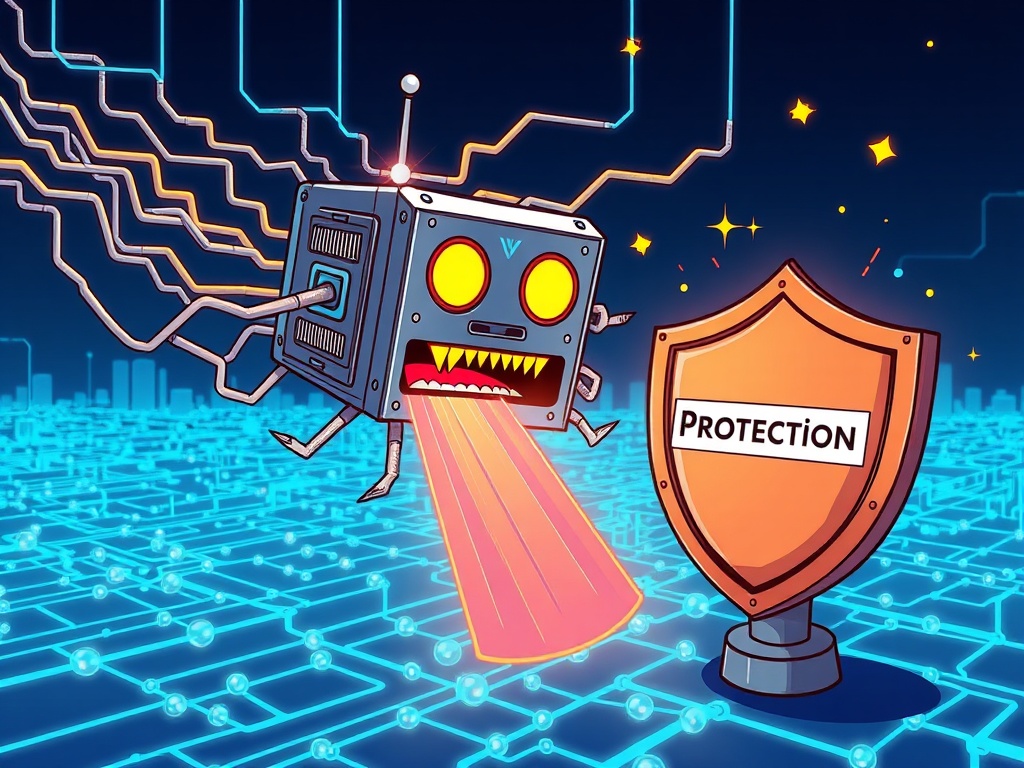
The digital asset world is buzzing with a new, urgent development: a groundbreaking proposal aimed at fortifying quantum computing security within our financial infrastructure. Imagine a future where current encryption, the very backbone of cryptocurrencies, could be vulnerable. This isn’t science fiction anymore, and the U.S. Securities and Exchange Commission (SEC) is now reviewing a proactive plan to tackle this looming threat head-on.

What is This Vital Quantum Computing Security Proposal All About?

A comprehensive Post-Quantum Financial Infrastructure Framework (PQFIF) has been officially submitted to the SEC’s dedicated crypto task force. This isn’t just another document; it’s a strategic blueprint. The framework underscores the critical need for new regulations and a structured, systematic approach to protect digital assets from the formidable challenges posed by advanced quantum computing capabilities. It’s about building a future-proof foundation for the entire financial system.

The core idea behind the PQFIF is foresight. Rather than waiting for quantum computers to become powerful enough to break existing cryptographic standards, this proposal advocates for immediate action. It suggests a phased transition to quantum-resistant algorithms and a re-evaluation of how digital assets are secured across the board, significantly enhancing quantum computing security.

Why is Quantum Computing a Game-Changer for Crypto?

For those unfamiliar, quantum computing represents a paradigm shift in computational power. Unlike traditional computers that process information in bits (0s and 1s), quantum computers use “qubits,” which can be both 0 and 1 simultaneously. This allows them to solve certain complex problems exponentially faster.

  • Shor’s Algorithm: This quantum algorithm, if fully realized, could efficiently break widely used public-key cryptography, including RSA and Elliptic Curve Cryptography (ECC). These are fundamental to securing blockchain transactions and digital signatures.
  • Grover’s Algorithm: While not breaking encryption outright, Grover’s algorithm could significantly speed up brute-force attacks, making current symmetric encryption methods much less secure.

The potential impact on blockchain technology and cryptocurrencies is profound. If the cryptographic foundations of Bitcoin, Ethereum, and other digital assets were compromised, it could lead to widespread theft, loss of trust, and market instability. Therefore, addressing quantum computing security is not merely an academic exercise, but an existential imperative for the crypto space.

How Does the Proposed Framework Enhance Quantum Computing Security?

The PQFIF isn’t just about identifying problems; it’s about offering solutions. It champions a multi-pronged strategy to bolster quantum computing security:

  • New Regulations: Establishing clear, enforceable rules for financial institutions and crypto platforms to adopt post-quantum cryptographic standards. This ensures a consistent level of protection across the ecosystem.
  • Structural Approach: A coordinated effort to upgrade infrastructure, from hardware to software, incorporating quantum-resistant algorithms. This involves collaboration between regulators, industry leaders, and academic researchers.
  • Research & Development: Encouraging continued innovation in post-quantum cryptography (PQC) to stay ahead of evolving threats. The goal is to develop and deploy cryptographic primitives that can withstand quantum attacks.

By proactively integrating these measures, the framework aims to ensure the long-term integrity and resilience of digital assets. It seeks to instill confidence in investors and users that their holdings will remain secure, even as quantum technology advances.

What Are the Challenges in Implementing This Critical Protection?

While the proposal is a crucial step forward, implementing such a sweeping change won’t be without its hurdles. The transition to a post-quantum financial infrastructure is complex and will require significant effort.

  • Technical Complexity: Migrating existing systems and developing new ones with quantum-resistant cryptography is a massive undertaking. It demands specialized expertise and careful planning.
  • Cost Implications: The financial investment required for upgrades, research, and workforce training will be substantial for both public and private entities.
  • Standardization: Achieving global consensus on post-quantum cryptographic standards is essential for interoperability and widespread adoption. Without unified standards, fragmentation could weaken overall security.
  • Resistance to Change: Any major shift faces inertia. Educating stakeholders and demonstrating the urgency of the threat will be key to overcoming resistance.

Overcoming these challenges will require strong leadership from the SEC, sustained industry collaboration, and a clear roadmap for implementation, especially concerning quantum computing security.

What’s Next for Digital Asset Protection?

The submission of the PQFIF to the SEC Crypto Task Force marks a pivotal moment. The SEC’s review process will be critical in shaping the future of digital asset security. This proposal could pave the way for a new era of proactive cybersecurity measures, ensuring the continued growth and stability of the crypto market.

For crypto projects and investors, this highlights the importance of staying informed and preparing for potential shifts. Understanding the implications of quantum computing security will become increasingly vital. As regulators and industry work together, we can anticipate a more resilient and secure digital financial landscape.

A Future-Proofed Crypto Ecosystem with Enhanced Quantum Computing Security

The proposal to the SEC is a clear signal that the digital asset space is maturing, addressing not just current but future threats. By embracing advanced quantum computing security measures, we can safeguard the revolutionary potential of cryptocurrencies and blockchain technology for generations to come. This proactive stance ensures that innovation can thrive without being undermined by emerging technological challenges.

Frequently Asked Questions (FAQs)

Q1: What is the Post-Quantum Financial Infrastructure Framework (PQFIF)?
A1: The PQFIF is a proposal submitted to the SEC Crypto Task Force outlining new regulations and a structural approach to protect digital assets from threats posed by quantum computing.

Q2: Why is quantum computing a threat to current cryptocurrency security?
A2: Quantum computers, using algorithms like Shor’s, could potentially break the cryptographic standards (such as RSA and ECC) that secure blockchain transactions and digital signatures, leading to vulnerability and theft.

Q3: What kind of solutions does the PQFIF propose?
A3: It proposes new regulations, a coordinated structural approach to upgrade infrastructure with quantum-resistant algorithms, and ongoing research and development in post-quantum cryptography (PQC).

Q4: Will this proposal impact all cryptocurrencies?
A4: Yes, any cryptocurrency relying on cryptographic methods vulnerable to quantum attacks would be affected. The framework aims to provide universal protection for digital assets within the financial system.

Q5: What are the main challenges in implementing post-quantum security?
A5: Key challenges include the technical complexity of migration, significant cost implications, the need for global standardization, and overcoming resistance to change within the industry.

Stay ahead of the curve in the evolving world of digital assets! If you found this discussion on quantum computing security crucial for the future of crypto, share this article with your network. Let’s collectively raise awareness about protecting our digital future!

To learn more about the latest crypto market trends, explore our article on key developments shaping Bitcoin institutional adoption.

This post Quantum Computing Security: Urgent Proposal Reaches SEC Crypto Task Force first appeared on BitcoinWorld and is written by Editorial Team

Market Opportunity
Threshold Logo
Threshold Price(T)
$0.006353
$0.006353$0.006353
-3.81%
USD
Threshold (T) Live Price Chart
Disclaimer: The articles reposted on this site are sourced from public platforms and are provided for informational purposes only. They do not necessarily reflect the views of MEXC. All rights remain with the original authors. If you believe any content infringes on third-party rights, please contact crypto.news@mexc.com for removal. MEXC makes no guarantees regarding the accuracy, completeness, or timeliness of the content and is not responsible for any actions taken based on the information provided. The content does not constitute financial, legal, or other professional advice, nor should it be considered a recommendation or endorsement by MEXC.

You May Also Like

Italy passes law on AI outlining privacy and child access

Italy passes law on AI outlining privacy and child access

The post Italy passes law on AI outlining privacy and child access appeared on BitcoinEthereumNews.com. Italy has formally passed a sweeping new law to regulate artificial intelligence, becoming the first member of the European Union to roll out comprehensive legislation in step with the bloc’s landmark AI Act. The Italian Senate granted final approval after a year of debate, concluding what Prime Minister Giorgia Meloni’s government described as a decisive step in shaping how new technologies are deployed across the country. Italy sets tough penalties for offenders The legislation, ministers argue, lays out the boundaries for human-centric, transparent, and safe use of AI while balancing the need to foster innovation, cybersecurity, and economic growth. The law casts its net widely, and it stretches into healthcare, schools, the justice system, workplaces, sport, and the public sector. AI access for children under 14 has also been tightened, and it now requires parental consent. “This law brings innovation back within the perimeter of the public interest, steering AI toward growth, rights and full protection of citizens.” Alessio Butti, the undersecretary for digital transformation. Lawmakers also opted for a hard line on abuses. A new offence has been added to the criminal code covering the unlawful spread of AI-generated or manipulated content, such as deepfakes. Anyone found guilty faces between one and five years in prison if their actions cause harm. Using AI to commit fraud, identity theft, market manipulation, or money laundering will now be treated as an aggravating circumstance, raising potential sentences by a third. Judges remain the sole authority in legal rulings, though courts are empowered to demand rapid takedowns of illicit material. Government agencies to oversee its implementation Responsibility for enforcing the regime lies with the Agency for Digital Italy and the National Cybersecurity Agency, though existing financial watchdogs such as the Bank of Italy and Consob retain powers in their own spheres. The Department…
Share
BitcoinEthereumNews2025/09/18 06:05
Strategic Silence As Beijing Media Blames US, Israel For Dangerous Escalation

Strategic Silence As Beijing Media Blames US, Israel For Dangerous Escalation

The post Strategic Silence As Beijing Media Blames US, Israel For Dangerous Escalation appeared on BitcoinEthereumNews.com. China Iran Tensions: Strategic Silence
Share
BitcoinEthereumNews2026/02/28 21:31
Trump sabotages emerging peace deal with military escalation

Trump sabotages emerging peace deal with military escalation

President Donald Trump launched strikes on Iran early Saturday morning, claiming that talks over a nuclear agreement had broken down. Speaking after midnight, Trump
Share
Alternet2026/02/28 20:52