👨🏿🚀TechCabal Daily – South Africa vs. the house

Good morning. 
South Africa’s illegal online gambling market is now worth about R55 billion ($3.3 billion), nearly double the size of the legal one. And 35% of people who call helplines for gambling addiction survive entirely on government social grants such as SASSA.
People are betting money meant for rent, food, and electricity on apps run by unlicenced operators registered in Curaçao. When the house always wins, and the player is never supposed to be at the table, you have to wonder who the regulation is really protecting.
South Africa is fighting hard against the house with recent casino crackdowns, but with pockets that deep and hands that influential, will online croupiers come out on top?
Let’s dive in.
— Emmanuel
- South Africa locks horns with online casinos
- Nigeria pushes for 14-day notices for SIM deactivation
- Africa-Asia air freight route now fastest-growing
- World Wide Web 3
- Job Openings
Regulation
South Africa is cracking down on online casinos
 Image Source: Business Day South Africa
South Africa’s National Gambling Board (NGB), the agency that oversees the gambling industry, has directed provincial regulators to restrict Remote Gambling Servers (RGS) in licenced gambling operations.
What RBGs are in English: It’s the backend system that hosts and manages online casino games, like roulette and blackjack. But here’s the thing: online casino gambling is technically illegal in South Africa.
Online gambling is not sports betting: Sports betting is legal, but many sportsbook operators have been offering casino-style games by arguing they’re simply allowing customers to bet on outcomes rather than hosting interactive gambling. It’s been a legal grey zone that some provinces have allowed. Now the regulator is stepping in and saying, ‘That’s enough.’
Didn’t the government just talk about taxing gambling? In November 2025, the country’s National Treasury proposed imposing an additional 20% tax on gambling revenue to curb the rapid growth of the activity and address related social harms, as reports claim that a significant portion of social grant recipients are using grant money for gambling.
Can the NGB actually do this? Some legal experts argue the NGB may be overreaching, as the Parliament decides what forms of gambling are legal, Provinces are in charge of licencing operators, while the NGB sets national norms. Operators are likely to push back, but everyone is holding their breath for Parliament to step in with clearer legislation.
We are expanding across Africa!
Fincra is expanding across Africa, building the financial infrastructure that powers Africa’s cross-border payments. Build with us. Explore open roles.
Telecoms
NCC wants telecoms to warn Nigerians before deactivating their SIM cards
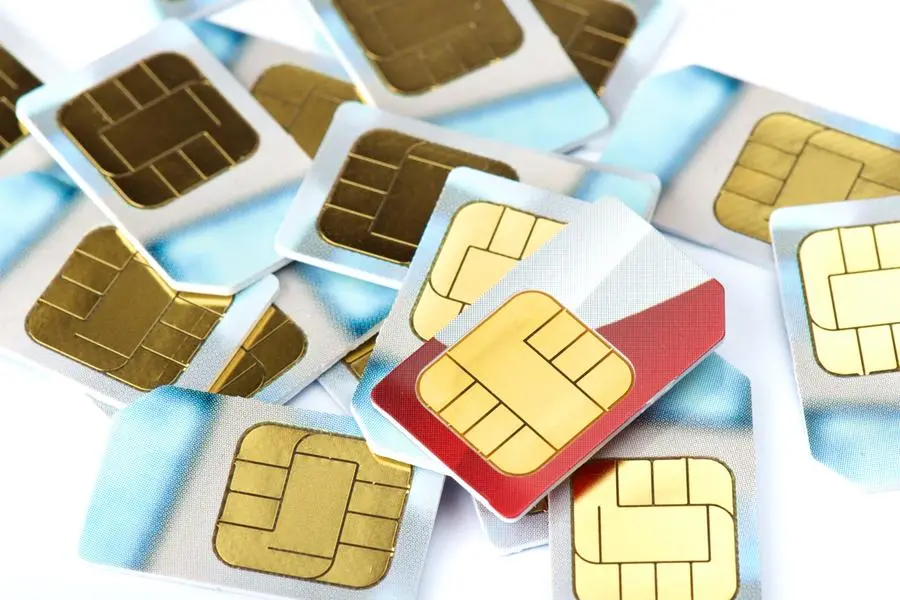 “Bye, I’m out” meme. Image Source: Getty Images
The Nigerian Communications Commission (NCC), the country’s telco regulator, is proposing a new rule that telecom operators must offer subscribers a notice of at least 14 days before deactivating their SIM cards due to inactivity.
What’s the current norm? Right now, if a subscriber’s number has not been used to generate revenue within six months, operators have the right to deactivate the line. If inactivity persists for another six months, they risk losing that number entirely. That part isn’t changing. What is changing is that operators must now warn users through an alternative line or an email.
Why now? This proposal is tied to the rollout of the Telecoms Identity Risk Management System (TIRMS), designed to track barred, recycled, or churned numbers across the network because recycled numbers are linked to financial fraud. When a number gets recycled or reassigned, banks or digital platforms still tie it to an old identity. TIRMS aims to close that gap by creating a cross-sector verification system. Operators will also have to report churned numbers to the platform within seven days.
What this means: The 14-day notice is more than meets the eye. Deep down, it shows that the country is making the gap between telecom data and financial risk tighter.
The Smarter Way to Save

At PalmPay, we don’t just talk about financial inclusion, we drive it by upskilling and empowering women for real careers in tech. Apply for Purple Woman 2026 and become one of 150 women equipped with the skills, experience, and opportunity to thrive. Learn more.
Tech
Africa to Asia is now the world’s fastest-growing air cargo route
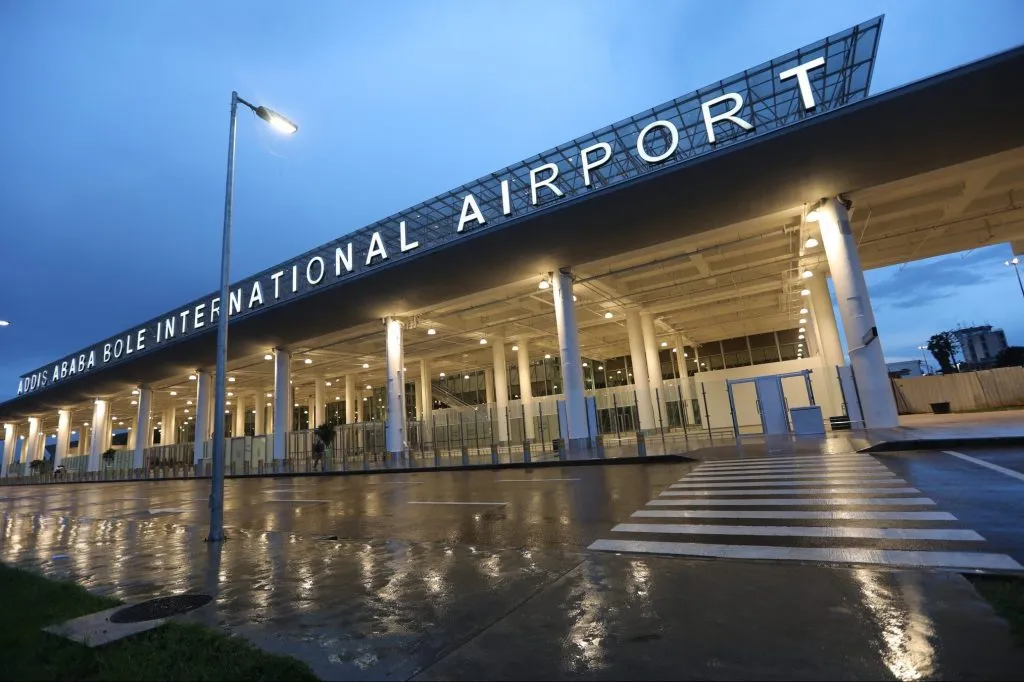 Image Source: SMH
The air route between Africa and Asia recorded 41.6% growth in cargo demand in January 2026 compared to a year earlier, making it the fastest-growing trade lane in the world, according to new data from the International Air Transport Association (IATA). Global air cargo demand, by comparison, grew just 5.6%.
Between the lines: January marked the seventh consecutive month of strong expansion on the corridor, and African carriers as a whole posted the highest regional cargo growth—for shipments including electronics and industrial items—at 18.2%, outpacing Middle Eastern, Asian, and European airlines.
But there is a useful caveat: the Africa to Asia lane still accounts for just 1.3% of total global air cargo. The growth rate is eye-catching, partly because the base is so small.
What’s more interesting is what the numbers say about shifting trade patterns. Chinese exports to Africa have been tilting toward capital goods, machinery, and electronics, the kind of higher-value, time-sensitive freight that justifies air over sea.
Dangote Group, the manufacturing conglomerate, also announced an order for 1,000 compressed natural gas (CNG) tractors from Chinese automaker BAIC FOTON, a deal that reflects the broader trend: African industrial buyers are sourcing from Asia, and a slice of that trade is moving by air. It makes airport shutdowns—like the recent Jomo Kenyatta International Airport (JKIA) strike, which lasted over 24 hours—problematic for smooth air cargo flows.
More cargoes in the air: African carriers also grew capacity by 6.5% against an 18.2% demand jump, according to the report, suggesting that planes are flying full and airlines have pricing power they have not had in years.
The bigger question is whether African airlines can build the cargo infrastructure to capture more of this growth before Gulf carriers, which already dominate long-haul freight through their hub model, take the lion’s share.
Enjoy affordable fares on Wakanow

Fly farther for less with unbeatable fares to Doha, China, Singapore, and New York on Qatar Airways. Book exclusively at wakanow.com and turn your travel dreams into reality. Seamless booking, world-class comfort, and unforgettable journeys start here. Download the app today!
CRYPTO TRACKER
The World Wide Web3
Source:

|
Coin Name |
Current Value |
Day |
Month |
|---|---|---|---|
| Bitcoin | $68,209 |
+ 0.24% |
– 9.53% |
| Ether | $1,971 |
– 1.27% |
– 9.99% |
| NEAR Protocol | $1.37 |
+ 0.71% |
+ 19.81% |
| Solana | $86.70 |
– 0.28% |
– 12.52% |
* Data as of 06.40 AM WAT, March 4, 2026.
Job Openings
-
- Big Cabal Media — Senior Motion Designer, YouTube Growth Strategist, Quality Assurance Engineer — Lagos, Nigeria
There are more jobs on TechCabal’s job board. If you have job opportunities to share, please submit them at bit.ly/tcxjobs.
- The BackEnd: How Nigerian neobank Kuda built its in-house core banking application
- Francophone Weekly: Industrial policy is back. And Francophone Africa is leaning in.
Written by: Opeyemi Kareem and Emmanuel Nwosu
Edited by: Emmanuel Nwosu & Ganiu Oloruntade
Want more of TechCabal?
Sign up for our insightful newsletters on the business and economy of tech in Africa.
- The Next Wave: futuristic analysis of the business of tech in Africa.
- Francophone Weekly by TechCabal: insider insights and analysis of Francophone’s tech ecosystem
P:S If you’re often missing TC Daily in your inbox, check your Promotions folder and move any edition of TC Daily from “Promotions” to your “Main” or “Primary” folder and TC Daily will always come to you.

You May Also Like

Why AVAX Traders Are Watching $11.50 and $8.00 Right Now

XRPL Validator Reveals Why He Just Vetoed New Amendment