Donald Trump Met Privately With Coinbase’s CEO Then Publicly Took His Side on Banking Legislation
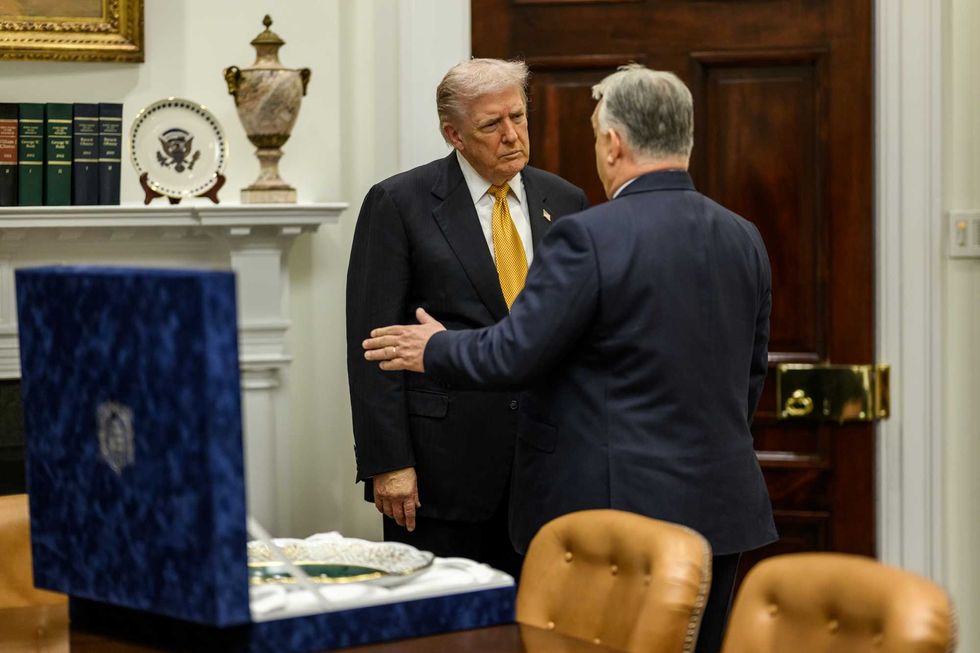
A closed-door White House meeting between President Donald Trump and Coinbase CEO Brian Armstrong preceded a series of public statements in which Trump pressured the banking industry to reach a deal with crypto firms on stalled market structure legislation.
What Happened and in What Order
The meeting brought Armstrong and a broader Coinbase delegation to the White House for a private session with the President. Shortly after, Trump posted on Truth Social urging banks to reach a “good deal” with the crypto sector and calling on lawmakers to pass the CLARITY Act “ASAP.” The sequencing matters. Trump did not make these statements in a vacuum. He made them after sitting down with the primary corporate beneficiary of the legislation in question.
White House crypto adviser Patrick Witt has been running parallel negotiations between the two sides, attempting to broker a resolution that had already missed an informal March 1 deadline. That deadline passed without agreement.
The Fight Is About Stablecoin Yield
The CLARITY Act is market structure legislation, but the specific flashpoint is stablecoin yield programs. Coinbase and other crypto firms want the ability to offer holders of stablecoins a return, currently cited at around 3.5%. Banks have lobbied to ban these programs entirely.
The bank argument is straightforward: stablecoin yield functions as an unregulated interest rate. If customers can hold a dollar-pegged digital asset and earn 3.5% on it, some of those customers will move deposits out of traditional banks to do so. That is deposit flight, and banks view it as existential pressure dressed up as financial innovation.
Armstrong’s counter is that the ban is not about systemic risk. It is about protecting incumbents from competition. Both arguments are probably true to some degree.
Trump’s Position and What It Signals
Following the meeting, Trump publicly accused banks of “threatening and undermining” the recently adopted GENIUS Act, language that mirrors Coinbase’s framing almost exactly. That is notable. Presidents do not typically adopt the specific rhetorical framing of a private lobbying meeting in their public statements unless the meeting moved them.
Coinbase shares jumped in premarket trading on Wednesday, March 4, following reports of the meeting and Trump’s subsequent statements. The market read the sequence clearly: a sitting president took a public position aligned with a specific company’s legislative priorities hours after meeting privately with that company’s CEO.
Whether that reflects genuine policy conviction or transactional politics is a question the available information does not answer. Trump has consistently framed crypto as part of a broader “crypto capital of the world” agenda, citing competition with China as a justification for moving quickly. That framing predates the Armstrong meeting and gives him ideological cover for the position regardless of how the meeting influenced him.
What Has to Happen Next
The CLARITY Act still needs to pass. Banks still have lobbying power and are not backing down on the stablecoin yield question. Witt’s negotiations continue without a resolution in sight. Trump’s public pressure changes the political dynamic but does not resolve the underlying disagreement about whether stablecoin yield products destabilize the deposit base.
The informal deadline already slipped once. The legislation could move quickly now that the President is openly pushing it. It could also stall if banks dig in and find enough congressional allies to slow the process. Both outcomes remain genuinely possible.
What is settled is that Coinbase now has something most companies lobbying in Washington spend years trying to obtain: a president publicly using their language.
The post Donald Trump Met Privately With Coinbase’s CEO Then Publicly Took His Side on Banking Legislation appeared first on ETHNews.


You May Also Like

‘Think Even Bigger’: Michael Saylor’s New Signal Hints at Another Massive Strategy Bitcoin Buy
The dirty secret Europe's far right doesn't want Trump to know