Treasury Acknowledges Valid Privacy Uses in Crypto Mixers While Pushing Congressional Action on Suspicious Flows
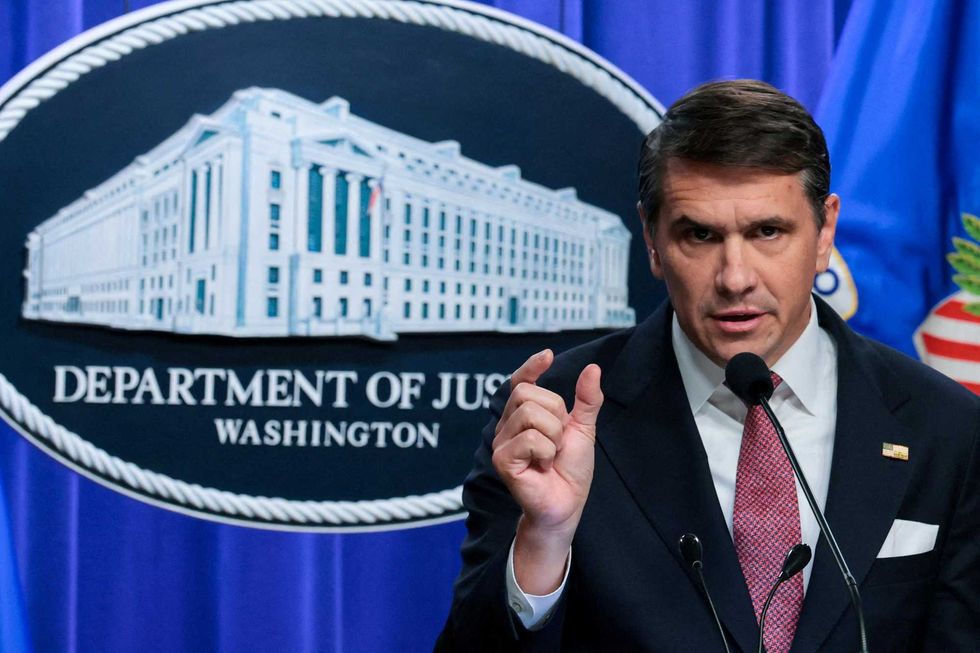
The Treasury Department has delivered a nuanced assessment to Congress on cryptocurrency mixing services, acknowledging their legitimate privacy applications while revealing concerning data about illicit financial flows through crypto bridges. This development marks a significant shift in regulatory discourse, as Treasury balances recognizing privacy rights with combating financial crimes in the digital asset ecosystem.
Treasury disclosed that since May 2020, more than $1.6 billion in deposits from mixing services have flowed into crypto bridges—the infrastructure that enables token transfers between different blockchain networks. This data point illuminates the complex pathways through which mixed cryptocurrency funds move across decentralized finance protocols, creating compliance challenges for financial institutions monitoring suspicious activity.
The revelation comes as Treasury recommends what it terms a “hold law” approach for suspicious cryptocurrency transactions, suggesting enhanced reporting requirements without implementing blanket prohibitions on privacy-enhancing technologies. This calibrated response reflects the department’s recognition that mixing services serve both legitimate privacy needs and illicit purposes, requiring sophisticated regulatory frameworks rather than broad enforcement actions.
Financial privacy advocates have long argued that mixing services provide essential protections for individuals in authoritarian regimes, journalists protecting sources, and businesses conducting sensitive transactions. Treasury’s acknowledgment of these valid use cases represents a departure from previous regulatory stances that often treated all privacy-enhancing technologies with suspicion. The department now appears to be threading the needle between privacy rights and anti-money laundering objectives.
The $1.6 billion figure represents approximately 12% of all mixing service volume during the tracked period, indicating that bridge protocols have become a preferred pathway for moving mixed funds across blockchain ecosystems. Ethereum-based mixers like Tornado Cash have historically channeled significant volumes through decentralized finance bridges, particularly those connecting to Binance Smart Chain and Polygon networks.
Treasury’s data analysis reveals that cross-chain bridge activity has increased 340% since early 2021, with mixed cryptocurrency representing a growing proportion of this flow. The department’s blockchain analytics capabilities have expanded dramatically, allowing for more granular tracking of fund movements across multiple networks. This enhanced surveillance infrastructure enables Treasury to distinguish between privacy-seeking retail users and sophisticated money laundering operations.
The recommended “hold law” framework would require financial institutions to flag transactions involving mixed cryptocurrency without automatically freezing accounts. This approach aims to preserve legitimate privacy uses while ensuring suspicious activity reaches law enforcement attention. Financial institutions would maintain enhanced monitoring protocols for mixed fund recipients, creating a middle ground between complete prohibition and unregulated acceptance.
Congressional interest in cryptocurrency regulation has intensified following high-profile sanctions evasion cases involving Iranian entities and organized crime networks. Recent investigations revealed that Chinese-language criminal organizations moved over $16 billion through underground crypto laundering networks in 2025, with mixing services playing a central role in these operations.
The Treasury data suggests that professional money laundering services have increasingly adopted cross-chain strategies to evade detection. By fragmenting large transactions across multiple blockchain networks through mixing services, criminal organizations can exploit compliance gaps between different protocols. This evolution in criminal methodology has prompted Treasury to advocate for more sophisticated regulatory responses.
Industry executives note that the acknowledgment of legitimate mixer uses could influence pending federal legislation on digital asset regulation. The CLARITY Act, currently under Congressional consideration, may incorporate Treasury’s nuanced approach to privacy-enhancing technologies rather than implementing broad restrictions. This development could provide regulatory certainty for compliant mixing service operators while targeting illicit uses.
Financial institutions have struggled to implement effective compliance protocols for mixed cryptocurrency, often taking overly conservative approaches that impact legitimate users. Treasury’s guidance could encourage more risk-based approaches that differentiate between privacy-seeking individuals and professional money laundering operations. Banks report spending over $180 million annually on crypto compliance infrastructure, with mixed fund monitoring representing a significant portion of these costs.
The timing of Treasury’s disclosure coincides with increased Congressional scrutiny of cryptocurrency’s role in sanctions evasion. Recent Iranian attempts to use crypto exchanges for bypassing financial restrictions have heightened regulatory focus on cross-border digital asset flows. Treasury Secretary Scott Bessent has emphasized the need for “smart regulation” that preserves innovation while protecting national security interests.
Market participants are closely watching how Treasury’s balanced approach might influence broader cryptocurrency regulation. The department’s acknowledgment of legitimate privacy uses could set precedents for how regulators approach other privacy-focused technologies in the digital asset ecosystem. This regulatory evolution may ultimately determine whether privacy-enhancing blockchain technologies can coexist with traditional financial compliance frameworks.
The $1.6 billion mixing service flow represents just the visible portion of cross-chain cryptocurrency movements, as Treasury’s tracking capabilities continue expanding. Advanced blockchain analytics now enable real-time monitoring of complex transaction patterns across multiple networks, providing regulators with unprecedented visibility into digital asset flows while preserving space for legitimate privacy needs.


You May Also Like
Why Choose Sunriseaccountants.net for Professional Payroll Management

Web3 Financial Applications in America in 2026: Where Wallet-Native Finance Has Actually Found Users