US Dollar Soars: Index Breaks 99.50 Barrier as Middle East Crisis Sparks Intense Safe-Haven Rush
BitcoinWorld
US Dollar Soars: Index Breaks 99.50 Barrier as Middle East Crisis Sparks Intense Safe-Haven Rush
NEW YORK, April 10, 2025 – The US Dollar Index (DXY), a critical gauge of the greenback’s strength against a basket of major currencies, has decisively broken through the 99.50 level. This significant surge, observed in early Thursday trading, is directly attributed to escalating geopolitical tensions in the Middle East, which are fueling intense safe-haven demand among global investors. Market analysts point to a rapid flight to quality, with capital flowing out of riskier assets and into the perceived stability of the world’s primary reserve currency.
US Dollar Index Climbs on Geopolitical Uncertainty
The DXY, which tracks the dollar against the euro, yen, pound, Canadian dollar, Swedish krona, and Swiss franc, registered a sharp intraday gain of over 0.8%. Consequently, this move represents its strongest single-day performance in several weeks. The rally pushed the index to its highest point since late February, effectively erasing losses sustained during a recent period of relative market calm. Furthermore, trading volumes spiked notably above the 30-day average, indicating broad-based participation in the move.
Historically, the US dollar has functioned as a primary safe-haven asset during periods of global instability. For instance, during the initial phases of the Russia-Ukraine conflict in 2022, the DXY experienced a similar rapid appreciation. The current dynamic underscores a recurring market pattern where geopolitical shock triggers a predictable capital rotation. Meanwhile, other traditional havens like gold and the Japanese yen also saw bids, though the dollar’s move was particularly pronounced.
Analyzing the Drivers Behind Safe-Haven Demand
The immediate catalyst for the flight to safety was a significant escalation in hostilities between state and non-state actors in the Levant region. Reports of targeted military strikes and retaliatory actions created a cloud of uncertainty over global energy supplies and trade routes. As a result, investors swiftly reassessed their risk exposure. Market sentiment, which had been cautiously optimistic, pivoted toward defensive positioning almost overnight.
This risk-off sentiment manifests across multiple asset classes. Notably, equity markets in Asia and Europe traded lower, while US Treasury yields fell as bond prices rose. The table below illustrates the correlated movements across key financial instruments during the event:
| Asset | Direction | Primary Driver |
|---|---|---|
| US Dollar Index (DXY) | ↑ Strong Gain | Safe-Haven Inflows |
| Gold (XAU/USD) | ↑ Moderate Gain | Alternative Haven Demand |
| Global Equity Indices | ↓ Decline | Risk Aversion |
| Crude Oil (Brent) | ↑ Volatile Gain | Supply Disruption Fears |
Several structural factors amplify the dollar’s appeal in the current climate. Primarily, the relative strength of the US economy compared to its peers provides a fundamental underpinning. Additionally, the depth and liquidity of US financial markets allow large institutions to move capital efficiently during crises. The Federal Reserve’s current monetary policy stance, which remains focused on data, also contributes to the currency’s attractiveness compared to central banks still in easing cycles.
Expert Perspective on Currency Market Dynamics
Dr. Anya Sharma, Chief Strategist at Global Macro Advisors, provided context on the move. “While geopolitical events are the immediate trigger, the dollar’s rally is supported by tangible economic divergences,” she explained. “The market is pricing in a ‘flight to quality’ that prioritizes liquidity and stability. We observe capital repatriation by US multinationals and increased hedging activity by international portfolios, both of which mechanically boost dollar demand.” Sharma’s analysis references data from the Commodity Futures Trading Commission (CFTC), which showed a recent buildup in net long positions on the dollar prior to the escalation.
Potential Impacts and Forward-Looking Scenarios
The sustained strength of the US dollar carries significant implications for the global economy. A stronger dollar typically makes dollar-denominated commodities more expensive for holders of other currencies, potentially dampening global demand. Moreover, it creates headwinds for emerging market economies with high levels of dollar-denominated debt, increasing their servicing costs. For US exporters, a robust currency can reduce the competitiveness of their goods abroad.
Market participants are now closely monitoring several key developments that will determine the dollar’s trajectory:
- Geopolitical De-escalation: Any signs of diplomatic progress could quickly reverse safe-haven flows.
- Federal Reserve Communication: The central bank’s view on how geopolitical risk influences inflation and growth will be critical.
- Energy Price Stability: A contained oil price shock would lessen one inflationary pressure point.
- Relative Economic Data: Upcoming US jobs and inflation reports versus data from Europe and Japan.
In the near term, technical analysis suggests the DXY faces immediate resistance near the 100.00 psychological level. A clean break above this point could open the path toward higher valuations seen in previous crisis periods. Conversely, support is now established around the 98.80 level, which was the previous consolidation zone.
Conclusion
The US Dollar’s ascent above the 99.50 threshold serves as a powerful barometer of rising investor anxiety. This move, driven by safe-haven demand stemming from Middle East tensions, highlights the currency’s enduring role as a port in a storm for global capital. While the immediate future of the US Dollar Index will be dictated by geopolitical headlines, its underlying strength rests on fundamental economic comparisons. Market volatility is likely to persist until a clearer picture on regional stability emerges, keeping the dollar firmly in focus for traders and policymakers worldwide.
FAQs
Q1: What is the US Dollar Index (DXY)?
The US Dollar Index is a measure of the value of the United States dollar relative to a basket of six major world currencies: the Euro, Japanese Yen, British Pound, Canadian Dollar, Swedish Krona, and Swiss Franc. It provides a general indicator of the dollar’s international strength.
Q2: Why is the US dollar considered a safe-haven asset?
The dollar is considered a safe haven due to the size, stability, and liquidity of the US economy and its financial markets. It is the world’s primary reserve currency, used in most international transactions, making it a preferred asset during global uncertainty.
Q3: How do Middle East tensions specifically affect the dollar?
Escalating tensions raise fears about disruptions to global oil supplies and broader economic stability. This prompts investors to sell riskier assets (like stocks in volatile regions) and buy perceived stable assets, leading to increased demand for US Treasury bonds and dollars.
Q4: Who benefits from a stronger US dollar?
US consumers benefit from cheaper imports and foreign travel. Investors holding dollar-denominated assets see their purchasing power increase internationally. It can also help curb inflation in the US by making imported goods less expensive.
Q5: What are the risks of a very strong dollar for the global economy?
A very strong dollar can hurt emerging markets by increasing their debt repayment costs, reduce profits for US multinational companies, make American exports more expensive abroad, and potentially exacerbate financial conditions in vulnerable countries.
This post US Dollar Soars: Index Breaks 99.50 Barrier as Middle East Crisis Sparks Intense Safe-Haven Rush first appeared on BitcoinWorld.


You May Also Like
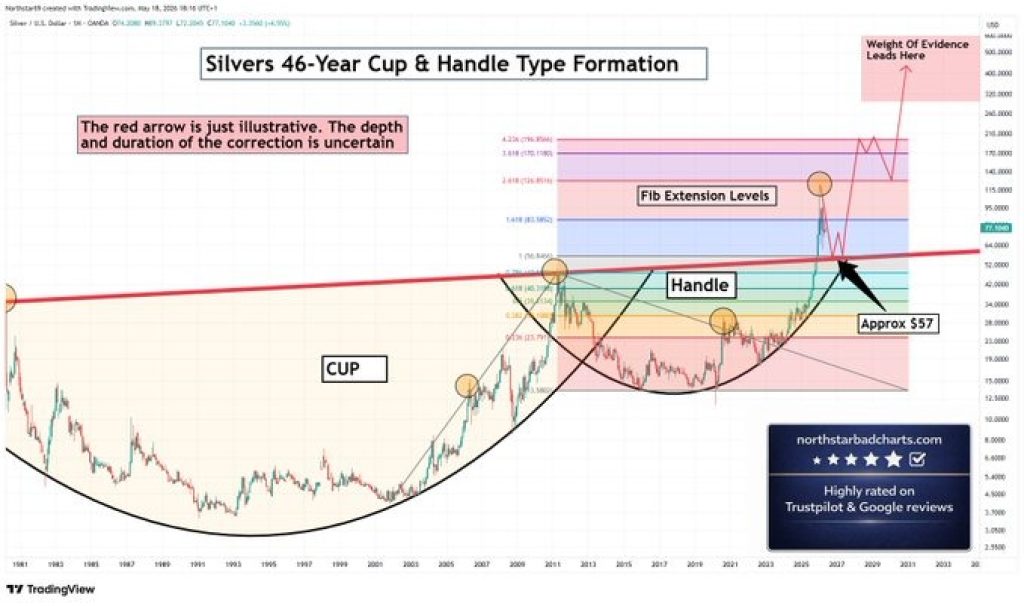
Silver Price Prediction: Cup and Handle Points to $196 – Why the Correction Was Always Part of the Plan

Academic Publishing and Fairness: A Game-Theoretic Model of Peer-Review Bias