United Nations Is Running 40 Blockchain Pilots to Move Aid Money On-Chain
The UNDP is testing stablecoins, digital wallets, and smart contracts across more than 40 active pilots to determine whether blockchain infrastructure can replace the slow, costly systems currently moving humanitarian aid and climate funding globally.
What the UNDP Is Actually Testing
The United Nations Development Programme’s blockchain program operates across five interconnected workstreams. Staff capability building has already trained over 500 UNDP employees through the Blockchain Academy, with a separate Government Blockchain Academy running prototyping programs for public sector institutions.
The technology layer involves developing the UNDP Digital Wallet and interoperable data systems designed for public-purpose deployment rather than commercial optimization.
The pipeline of use cases has supported over 50 pilots through the SDG Blockchain Accelerator. The 40-plus active pilots currently running use stablecoins to move aid disbursements directly to recipients, digital wallets to provide financial access in regions where banking infrastructure does not reach, and smart contracts to automate climate funding releases tied to verifiable conditions. The partnership network spans 25-plus leading blockchain foundations and 1,700-plus members in the UN Blockchain Community of Practice.
Why Aid Distribution Is a Blockchain Problem
Traditional humanitarian aid distribution carries systemic inefficiencies that blockchain architecture directly addresses. Aid money moving from donor governments through multilateral institutions through local NGOs through regional distributors to individual recipients loses a meaningful percentage at each intermediary layer through fees, currency conversion costs, administrative overhead, and in some cases diversion. The World Food Programme’s Building Blocks project, an earlier UN blockchain pilot in Jordan, demonstrated that direct stablecoin disbursements to refugees reduced transaction costs by roughly 98% compared to conventional transfer methods.
Smart contracts add a verification layer that manual distribution cannot match. Climate funding tied to satellite-verified land use data or independently confirmed emissions reductions can release automatically when conditions are met, removing the reconciliation delays and audit complexity that slow current multilateral climate finance mechanisms. The conditionality is embedded in the contract rather than enforced through paperwork.
The Scale Question the Pilots Have Not Yet Answered
Fifty-plus pilots supported across the SDG Blockchain Accelerator is a meaningful research base. It is not a deployment at the scale humanitarian systems require. The UNDP distributes development finance across 170 countries. The blockchain infrastructure being tested needs to function across jurisdictions with different regulatory frameworks, different levels of digital infrastructure, and different government attitudes toward decentralized financial tools.
Stablecoin-based aid disbursements raise specific questions in countries where capital controls restrict dollar-denominated transfers or where governments view financial privacy tools with suspicion. The technical case for blockchain in aid distribution is well-established across the pilot data. The political and regulatory case varies dramatically by recipient country.
The UNDP’s framework describes building blocks rather than finished infrastructure. Capability, technology, use cases, finance models, and partnerships are all listed as components under development simultaneously. That framing is honest about where the program sits: beyond proof of concept, short of systemic deployment.
Whether blockchain becomes the infrastructure for global aid depends less on the technology than on whether the institutions controlling aid flows decide the efficiency gains justify the transition costs. The pilots are making the technical argument. The institutional decision is still ahead.
The post United Nations Is Running 40 Blockchain Pilots to Move Aid Money On-Chain appeared first on ETHNews.


You May Also Like

Bitcoin treasury sell-off accelerates as Riot, Bhutan, and public companies exit positions
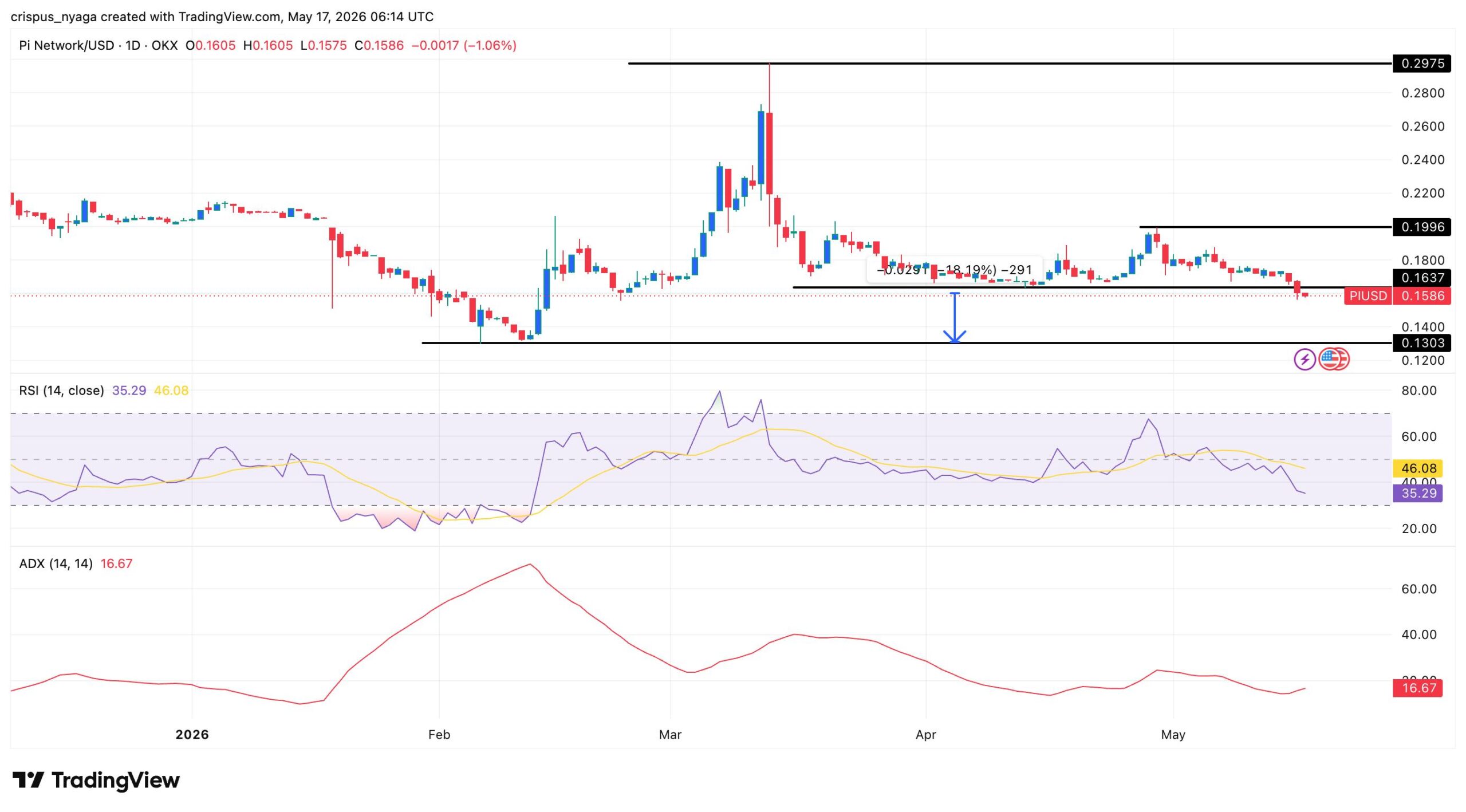
Pi Coin Price Crashes Another 7.5% Before Pi Network Protocol 23 Mainnet Activation