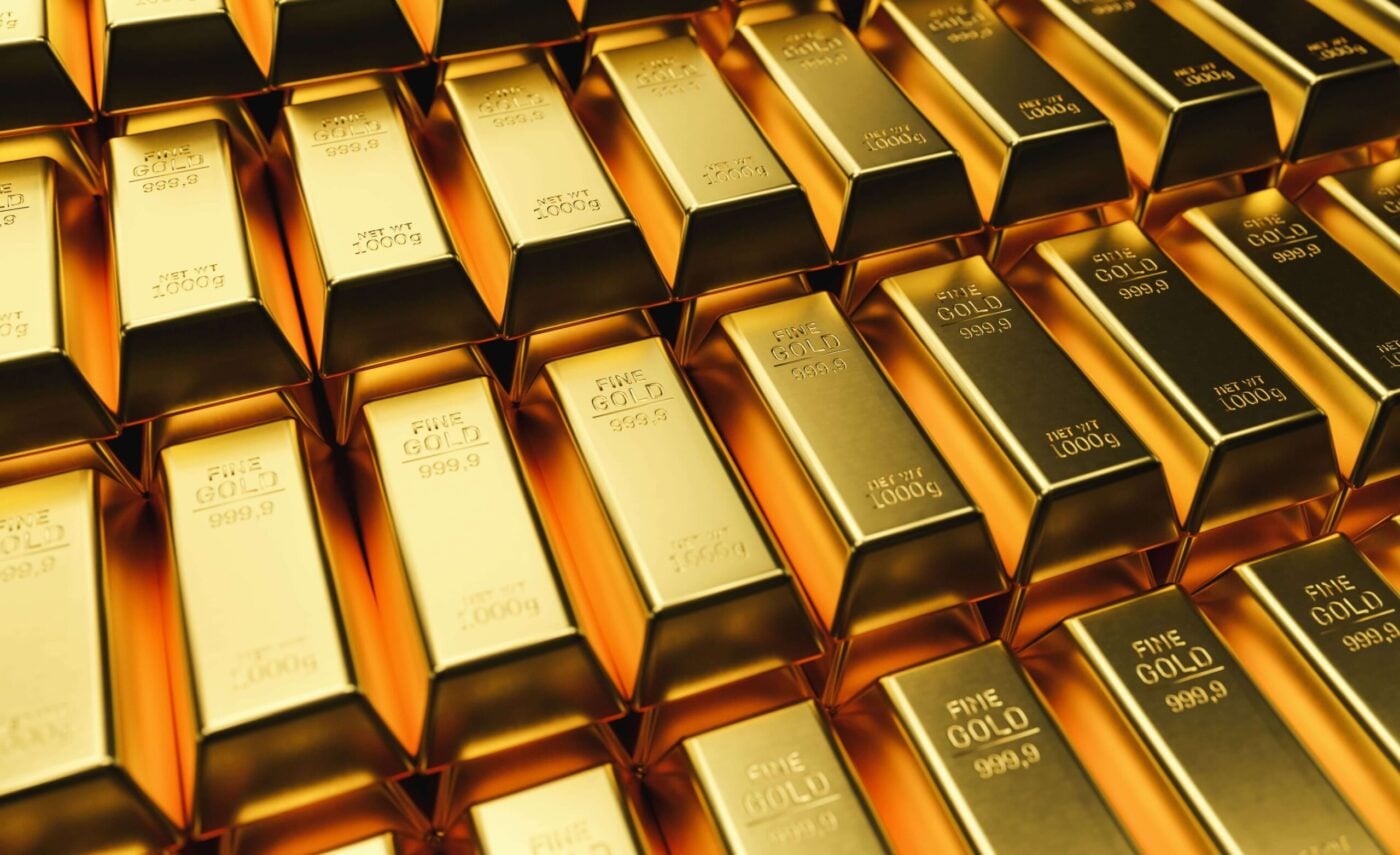
How I Evaluate ASIC Miners Before Buying Them
When people first get interested in cryptocurrency mining, the first question they usually ask is simple:
“Which ASIC miner should I buy?”
But experienced miners know that the better question is:
“How should I evaluate an ASIC miner before buying it?”
Mining hardware is not just a gadget. It is an industrial machine that runs continuously, consumes significant electricity, and directly affects your long-term profitability.
Over the past few years working around mining hardware markets, I’ve learned that evaluating ASIC miners correctly requires understanding several key metrics.
1. Hashrate: The Starting Point
The first number people notice when comparing miners is hashrate.
Hashrate measures how many calculations a miner performs every second while securing blockchain networks like Bitcoin.
For example, modern miners working on Bitcoin networks may produce more than 100 terahashes per second (TH/s).
Higher hashrate generally means higher mining output — but this number alone does not determine profitability.
Two machines with similar hashrates can produce very different financial outcomes depending on their efficiency.
2. Efficiency: The Metric Experienced Miners Care About
The most important metric in modern mining is efficiency, usually measured in joules per terahash (J/TH).
This tells you how much electricity is required to generate each unit of computing power.
Lower numbers mean better efficiency.
For example:
• 20 J/TH → very efficient
• 30 J/TH → moderate efficiency
• 40+ J/TH → older generation hardware
Because electricity is the largest cost in mining operations, efficiency plays a major role in determining long-term profitability.
3. Electricity Costs Matter More Than Hardware
A miner running at $0.03/kWh electricity cost may be highly profitable.
The same machine running at $0.10/kWh may struggle during slower market periods.
This is why large mining farms often choose locations with abundant energy resources.
Hardware selection should always be evaluated alongside the electricity rate.
4. Market Cycles Affect ASIC Prices
ASIC miner prices are heavily influenced by the broader cryptocurrency market.
When the price of Bitcoin rises rapidly:
• mining profitability increases
• demand for miners spikes
• hardware prices often surge
When markets cool down, hardware prices typically decline as demand slows.
Manufacturers like Bitmain and MicroBT also release newer generations of hardware periodically, which can push previous models down in price.
Understanding these cycles helps miners avoid buying hardware during inflated demand periods.
5. Supplier Transparency Is Extremely Important
Another lesson I’ve learned in this industry is that who you buy from matters just as much as what you buy.
Before purchasing any mining hardware, buyers should understand:
• the condition of the machine
• delivery timelines
• realistic performance expectations
• market pricing
When I research hardware options, I usually compare multiple suppliers before making a decision.
One resource I often reference for hardware listings and market-aligned pricing is:
https://ursaminers.com
The site provides a catalog of ASIC mining hardware and helps buyers explore different machines before committing to a purchase.
Regardless of where someone buys their equipment, doing proper research first is always the smartest approach.
Final Thoughts
Crypto mining continues to evolve as hardware improves and networks become more competitive.
For anyone entering the space, understanding how to evaluate ASIC miners properly can prevent costly mistakes.
Instead of focusing only on hashrate, serious operators evaluate:
• efficiency
• electricity costs
• market cycles
• hardware condition
• supplier transparency
Mining is not just about owning machines — it’s about understanding the economics behind them.
And the more informed your hardware decisions are, the better your chances of building a sustainable mining operation.
How I Evaluate ASIC Miners Before Buying Them was originally published in Coinmonks on Medium, where people are continuing the conversation by highlighting and responding to this story.


You May Also Like

68% of global BTC miners came from the U.S., Russia, and China, Q1 2026
Justice Department has 'gone off the rails' for Trump's 'pretzel logic': analysis