

Strategic Petroleum Reserve Release: U.S. Unleashes 172 Million Barrels to Stabilize Markets
BitcoinWorld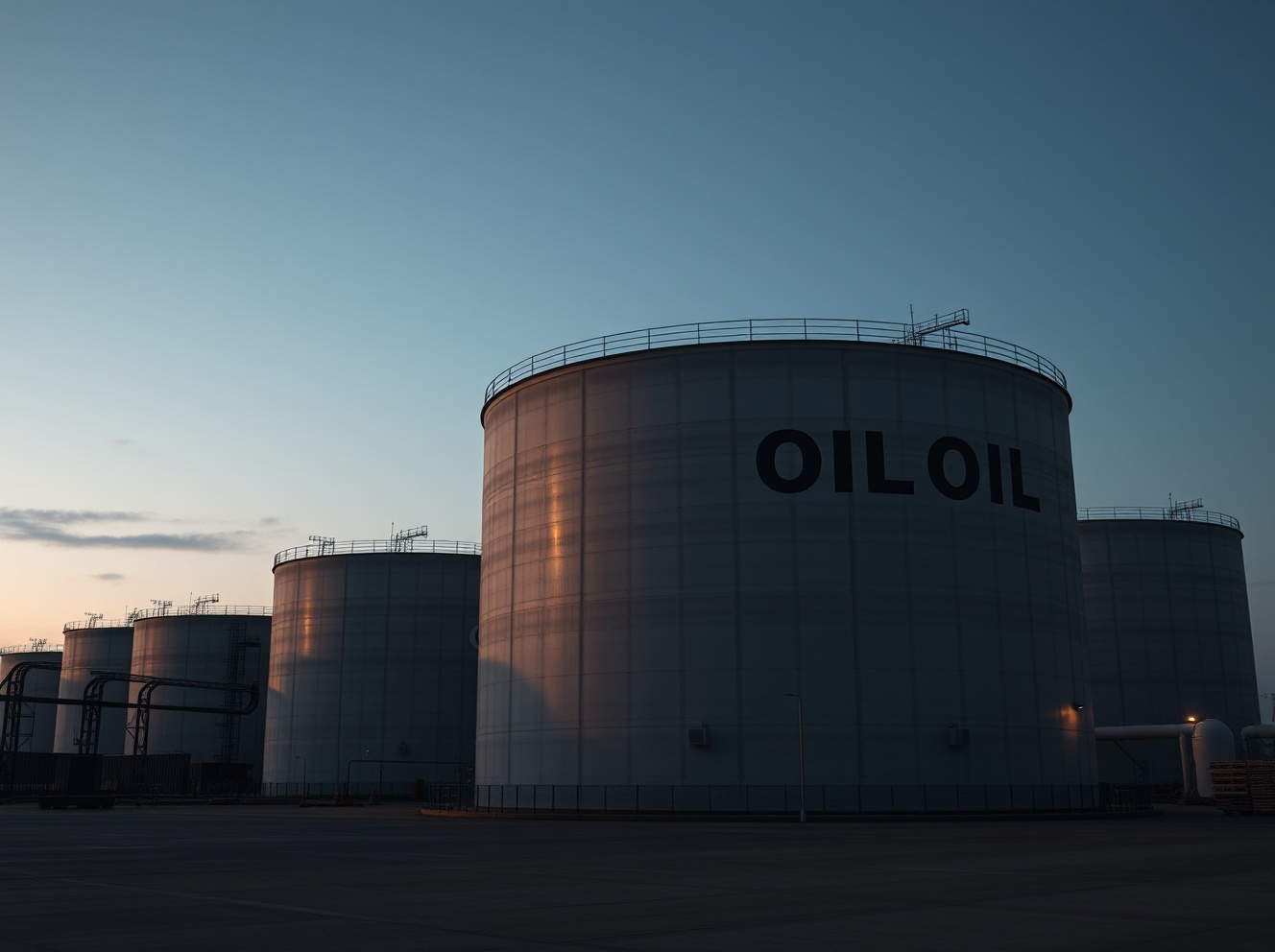
Strategic Petroleum Reserve Release: U.S. Unleashes 172 Million Barrels to Stabilize Markets
In a significant move for global energy markets, the United States has authorized the release of 172 million barrels of crude oil from its Strategic Petroleum Reserve (SPR). This substantial drawdown, reported by Walter Bloomberg, represents one of the largest single releases in the reserve’s nearly 50-year history. Consequently, this action directly influences oil prices, national security considerations, and the broader geopolitical landscape. The decision underscores the complex interplay between domestic energy policy and international market forces.
Analyzing the Strategic Petroleum Reserve Release
The Strategic Petroleum Reserve serves as the United States’ primary emergency stockpile of crude oil. Managed by the Department of Energy, this network of underground salt caverns along the Gulf Coast holds hundreds of millions of barrels. The recent release of 172 million barrels constitutes a major depletion of this buffer. Typically, presidents authorize such sales or exchanges to address supply disruptions or price spikes. This specific volume signals a robust federal response to prevailing market conditions.
Historically, the SPR has seen several large-scale drawdowns. For instance, the 2011 release coordinated with the International Energy Agency addressed Libyan supply disruptions. Furthermore, the Biden administration previously authorized a 180-million-barrel release in 2022. The current 172-million-barrel action continues this pattern of using the reserve as a market tool. Experts note that while effective short-term, such releases are a finite solution. The reserve requires eventual replenishment, often at potentially higher prices.
The Mechanics of an SPR Drawdown
The process for releasing oil from the Strategic Petroleum Reserve is highly structured. First, the President must authorize a drawdown, declaring a severe energy supply interruption exists. Next, the Department of Energy executes a sale or exchange. In a sale, oil is sold to the highest bidder, with proceeds going to the U.S. Treasury. In an exchange, companies receive oil now but contract to return similar volumes later. The released crude then enters the commercial supply chain via pipelines and ships. This injection of supply aims to increase market liquidity and apply downward pressure on prices.
Immediate Market Impact and Global Reactions
The announcement of a 172-million-barrel release immediately affects global oil benchmarks. Prices for Brent Crude and West Texas Intermediate (WTI) typically react to such news. The sheer scale of this release provides a substantial supply cushion over several months. However, market analysts caution that the impact depends on concurrent factors. Global demand forecasts, OPEC+ production decisions, and refining capacity all play critical roles. Therefore, the SPR action is one variable in a complex equation.
International responses to the U.S. decision are multifaceted. Allies in Europe and Asia, who also maintain strategic reserves, may view the move as supportive for the global economy. Conversely, major oil-producing nations within OPEC+ must factor this new supply into their own output calculations. The release also carries diplomatic weight, signaling U.S. commitment to market stability. This action can temporarily ease pressure on consumers worldwide facing high fuel costs.
Key Factors Influencing Oil Prices
- Supply Dynamics: OPEC+ production quotas, non-OPEC output, and inventory levels.
- Geopolitical Events: Conflicts, sanctions, and regional instability in producing areas.
- Economic Indicators: Global GDP growth projections and industrial activity data.
- Refining Capacity: Operational status of refineries and their ability to process crude.
- Strategic Stockpiles: Releases or purchases by national reserves like the U.S. SPR.
Long-Term Implications for U.S. Energy Security
Drawing down the Strategic Petroleum Reserve by 172 million barrels raises important questions about long-term energy security. The SPR’s primary mandate is to cushion against genuine supply emergencies, such as a major import disruption. Using it for price management, while politically expedient, reduces the buffer available for a true crisis. Consequently, the reserve’s level now sits at a multi-decade low. Replenishment becomes a future budgetary and strategic necessity, often requiring congressional approval.
This situation sparks debate about the broader U.S. energy posture. Some policymakers advocate for increased domestic production to reduce reliance on the SPR as a market tool. Others emphasize accelerating the transition to renewable energy sources to diminish oil dependency altogether. The release highlights the tension between immediate economic relief and sustained strategic preparedness. Future administrations will need to navigate this balance carefully.
Historical SPR Inventory Levels (Selected Years)
The table below illustrates the fluctuation in the Strategic Petroleum Reserve’s inventory, providing context for the current drawdown.
| Year | Approximate Inventory (Million Barrels) | Notable Event |
|---|---|---|
| 2009 | 726 | Post-financial crisis high |
| 2017 | 679 | Beginning of modern sales program |
| 2020 | 635 | COVID-19 demand crash |
| 2022 (Pre-Release) | ~580 | Start of 180M barrel release |
| 2025 (Post-Release) | ~408* | After 172M barrel release |
*Estimated level based on reported release and previous inventory.
Expert Analysis on Reserve Management
Energy security experts offer nuanced perspectives on large-scale Strategic Petroleum Reserve releases. Dr. Sarah Chen, a fellow at the Center for Strategic and International Studies, notes, “The SPR is a vital insurance policy. While using it can calm markets today, we must urgently plan for its refill to maintain our energy resilience.” Similarly, former Department of Energy official Mark Reynolds emphasizes the need for a clear replenishment strategy. “The market will watch for the buy-back plan,” he states. “A predictable, price-conscious refilling schedule minimizes market distortion.”
Financial analysts also weigh in on the price impact. “A 172-million-barrel release provides meaningful near-term supply,” says commodities strategist James Koh of Global Insights. “However, its effectiveness hinges on concurrent demand. If global economic growth accelerates, the price dampening effect may be shorter-lived.” These expert views underscore that the release is a powerful but temporary tool within a broader energy ecosystem.
Conclusion
The release of 172 million barrels from the U.S. Strategic Petroleum Reserve marks a pivotal moment in energy market intervention. This action provides immediate supply to global markets, aiming to stabilize prices and support economic activity. However, it also reduces the nation’s emergency buffer to historically low levels, prompting serious discussions about long-term energy security and reserve management. The effectiveness of this Strategic Petroleum Reserve release will ultimately be measured by its impact on prices, the subsequent plan for replenishment, and the lessons learned for future policy. The move reaffirms the reserve’s role as both a strategic asset and a market instrument.
FAQs
Q1: What is the U.S. Strategic Petroleum Reserve (SPR)?
The Strategic Petroleum Reserve is America’s national stockpile of emergency crude oil. Stored in deep underground salt caverns along the Gulf Coast, it is the largest publicly known emergency petroleum supply in the world, designed to cushion the economy during severe supply disruptions.
Q2: Why did the U.S. release 172 million barrels from the SPR?
While the official rationale often cites addressing a supply disruption or high prices, such large releases are typically authorized to increase market supply, lower crude oil and gasoline prices for consumers, and stabilize global energy markets during periods of volatility or geopolitical tension.
Q3: How does an SPR release affect gasoline prices?
An SPR release increases the supply of crude oil, which is the primary feedstock for gasoline. In theory, more crude supply can lead to lower crude prices, which refiners may pass on as lower wholesale gasoline prices. However, the final price at the pump also depends on refining costs, taxes, distribution, and global market conditions.
Q4: How long will it take to refill the SPR after this release?
Replenishing the Strategic Petroleum Reserve is a slow, deliberate process that requires congressional funding and favorable market conditions. The Department of Energy aims to purchase oil when prices are relatively low, but a refill of 172 million barrels could take several years under current acquisition plans and budget constraints.
Q5: Has the U.S. ever released this much oil from the SPR before?
The 172-million-barrel release is among the largest single authorizations in the reserve’s history. It is comparable in scale to the 180-million-barrel release announced in 2022. Other major historical drawdowns include the 30-million-barrel release in 2011 and the 17-million-barrel release during Operation Desert Storm in 1991.
This post Strategic Petroleum Reserve Release: U.S. Unleashes 172 Million Barrels to Stabilize Markets first appeared on BitcoinWorld.


You May Also Like

Litecoin (LTC) Price Prediction: Multi-Year Base Formation Revives Bullish Breakout Outlook Above $60

Exclusive interview with Smokey The Bera, co-founder of Berachain: How the innovative PoL public chain solves the liquidity problem and may be launched in a few months




