FTX Estate Unstakes 1.1 Million SOL as Creditor Repayments Enter Second Year
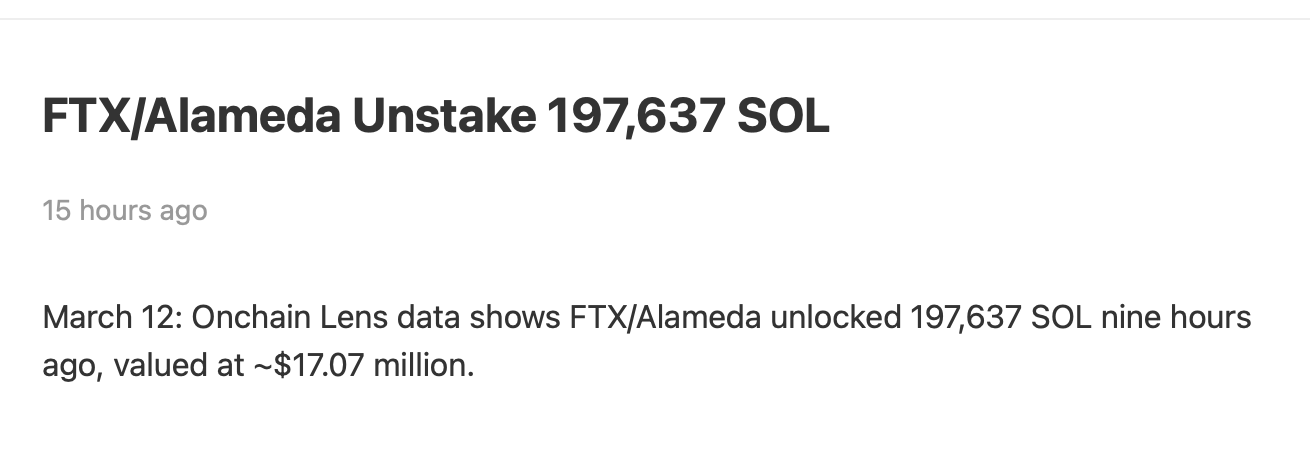
Wallets linked to the Alameda Research estate moved a significant block of Solana off a staking contract on March 12, the latest step in a court-supervised liquidation program that has been quietly converting the collapsed exchange’s remaining digital assets into cash for creditors.
On-chain data monitored by Lookonchain flagged the transaction as it occurred.
The unstaked amount totaled approximately 1.1 million SOL, valued at roughly $17 million at the time of the move. The assets were transferred from a designated cold staking contract to a central settlement wallet operated by the FTX and Alameda Debtors estate.
The transaction is part of a court-approved liquidation strategy that deliberately releases assets in staggered tranches rather than in bulk, a structure designed to limit downward pressure on market prices. Despite the move, the estate retains over 18.4 million SOL across various locked and vesting positions, representing approximately $290 million in remaining exposure to the asset.
 Source: https://www.lookonchain.com/feeds/49915
Where the Money Goes
The unstaked SOL feeds directly into the FTX Distribution Fund, the vehicle through which the estate is executing monthly payments to verified creditors. The repayment program is now in its second year, and the progress among smaller claimants has been substantial. As of March 2026, over 94% of Customer Class claimants, defined as those who held balances under $50,000 at the time of the November 2022 bankruptcy, have been fully reimbursed for the dollar value of their accounts at the time of collapse.
The picture is more complicated for larger creditors. Institutional claimants and those with disputed claims are currently in the Tier 2 phase of distributions, receiving pro-rata payments as the estate works through its remaining altcoin holdings. SOL is the largest single position, but the estate is also converting SRM and MAPS into cash as part of the same process. Each conversion feeds back into the distribution pool on a monthly cadence.
How the Estate Avoids Moving the Market
The staggered tranche approach is not simply a legal formality. Selling 18 million SOL on open markets without structure would almost certainly suppress prices significantly, reducing the total recovery for creditors in the process. To manage this, the estate routes liquidations through over-the-counter desks, which match large block trades off-exchange and avoid the slippage that comes with placing large orders into public order books.
The strategy appears to be working. SOL dipped less than 1.2% following the March 12 unstaking news, a reaction analysts describe as markets having largely priced in these periodic liquidations. Each prior tranche has produced a similar muted response, suggesting the OTC routing and advance visibility of the program have reduced the element of surprise that typically amplifies selling pressure.
What Remains
The $290 million in remaining SOL holdings means the estate has considerable liquidation work still ahead. Monthly distributions and a disciplined conversion strategy suggest the process will continue well into 2026 and potentially beyond, depending on how quickly disputed claims are resolved and how Tier 2 distributions are structured. The 94% completion rate among small claimants is a milestone, but the dollar value concentrated in institutional and disputed claims likely represents a disproportionate share of total outstanding obligations.
For SOL holders watching the estate’s wallet activity, the signal from March 12 is consistent with what has come before: structured, telegraphed, and absorbed by the market without significant disruption. Whether that pattern holds as the estate moves deeper into its larger and more complex positions is the question the next several months will answer.
The post FTX Estate Unstakes 1.1 Million SOL as Creditor Repayments Enter Second Year appeared first on ETHNews.


You May Also Like
Stake.com Built The Crypto Casino Name. Bet365 Built The Sportsbook Name. ZunaBet Is Building What Comes After Both.
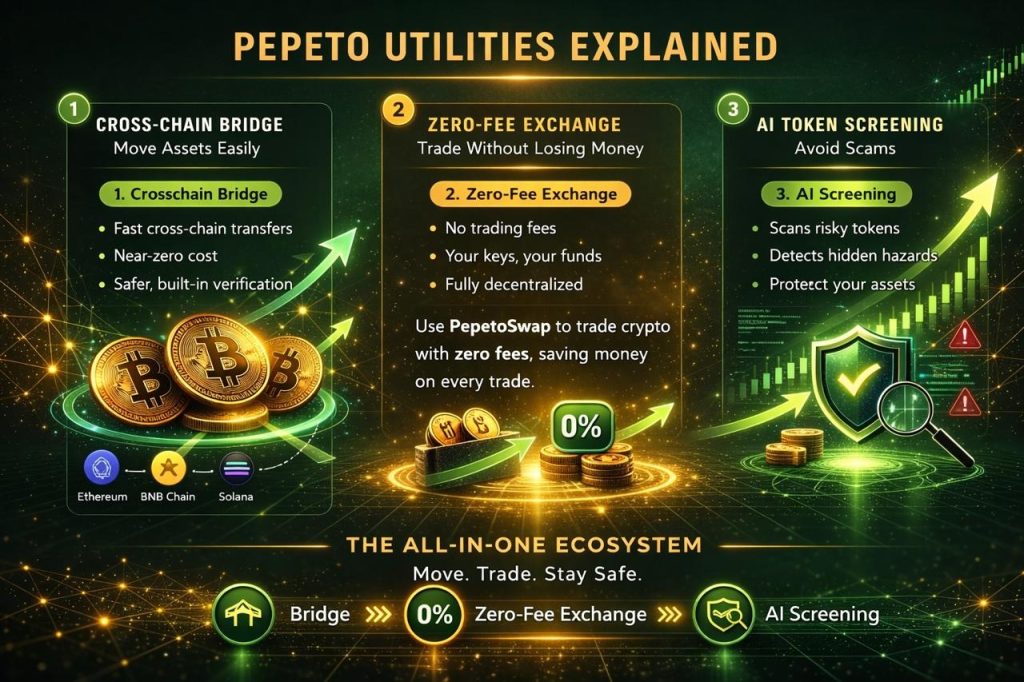
Shiba Inu Price Prediction Weakens as AI Token Sector Surges 30% to $19B While Pepeto SHIB and TAO Take Different Paths