Natural Gas Crisis: LNG Supply Disruption Fuels Elevated TTF Prices, Warns Commerzbank
BitcoinWorld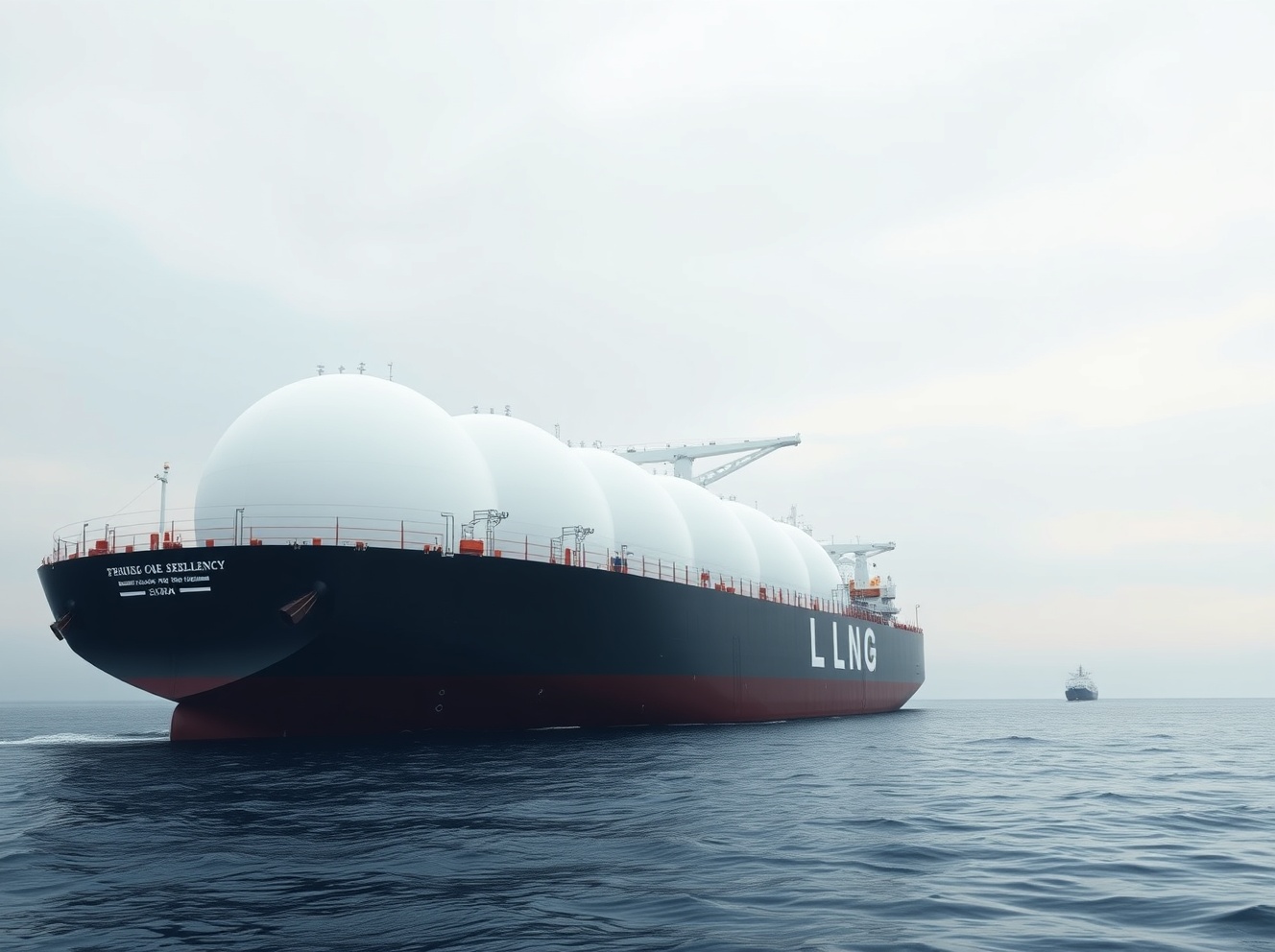
Natural Gas Crisis: LNG Supply Disruption Fuels Elevated TTF Prices, Warns Commerzbank
European natural gas markets face renewed pressure as liquefied natural gas supply disruptions continue to keep the benchmark TTF price elevated, according to a recent analysis from Commerzbank. Frankfurt, Germany – March 2025. The Title Transfer Facility price, a crucial indicator for continental energy costs, remains stubbornly high despite seasonal demand easing, highlighting structural vulnerabilities in Europe’s post-pipeline energy landscape.
Natural Gas Market Dynamics and the TTF Benchmark
The Title Transfer Facility serves as Europe’s primary virtual trading hub for natural gas. Consequently, its price movements influence everything from electricity generation to industrial production costs. Recently, analysts observed a persistent premium in TTF contracts. This premium stems directly from interruptions in the global LNG supply chain. Furthermore, these disruptions expose the continent’s continued reliance on seaborne gas following the drastic reduction of pipeline imports from the East.
Commerzbank’s commodity research team highlighted several concurrent factors. Firstly, unplanned maintenance at major liquefaction plants in key exporting nations has tightened global supply. Secondly, increased competition for Atlantic Basin LNG cargoes from Asian buyers has diverted shipments away from European terminals. Thirdly, logistical bottlenecks at some European regasification facilities have hampered the swift integration of arriving LNG into the network. These combined issues create a supply deficit that market mechanisms struggle to immediately correct.
Understanding the LNG Supply Chain Disruption
Liquefied natural gas travels a complex journey from wellhead to consumer. The process begins with extraction and pipeline transport to coastal liquefaction plants. There, the gas is super-cooled to minus 162 degrees Celsius, shrinking its volume for efficient maritime transport. Specialized LNG carriers then undertake voyages that can last weeks. Finally, receiving terminals regasify the LNG and inject it into national transmission systems.
A disruption at any point in this chain creates ripple effects. For instance, the recent outage at a US Gulf Coast facility removed a significant volume from the market. Simultaneously, weather-related delays at an Australian plant affected Pacific supply. Meanwhile, geopolitical tensions have made some shipping routes less predictable. These events collectively reduce the volume of gas available for spot trading, forcing European buyers to bid higher to secure necessary volumes.
Commerzbank’s Data-Driven Analysis
Commerzbank economists point to specific data points supporting their assessment. TTF front-month futures have consistently traded above a key technical threshold for several weeks. Storage inventory levels, while healthier than the crisis periods of 2022, are refilling at a slower-than-expected pace for this time of year. Additionally, the price spread between TTF and other global benchmarks like the US Henry Hub has widened considerably, indicating regional scarcity.
The bank’s report contrasts current conditions with the pre-energy crisis era. Previously, abundant pipeline flows provided a flexible baseload. Now, Europe must manage a portfolio of more rigid LNG contracts alongside volatile spot purchases. This structural shift increases price sensitivity to supply shocks. The analysis suggests that until new long-term LNG contracts from projects in Qatar and the United States come online later in the decade, this vulnerability will persist.
Impacts on European Industry and Consumers
Elevated TTF prices translate directly into higher costs. Energy-intensive industries, such as chemical manufacturing and steel production, face squeezed margins. Some operators may reduce output to manage expenses, potentially affecting economic growth. For households, wholesale gas prices feed into retail electricity and heating bills, though government price caps in some nations mitigate the immediate consumer impact.
The situation also influences policy decisions. Policymakers are accelerating investments in renewable energy and grid infrastructure to reduce gas dependency. However, gas remains essential for balancing intermittent wind and solar power. Therefore, securing reliable and affordable gas supplies is a paramount energy security concern. The current disruption underscores the urgency of these investments and the need for diversified supply sources.
Key factors keeping TTF elevated include:
- Unplanned outages at LNG export terminals
- Strong competing demand from Asian markets
- Lower-than-average gas storage injection rates
- Persistently high demand from the power generation sector
The Road Ahead for European Gas Markets
Market participants are closely monitoring several indicators. The restart timeline for idled liquefaction trains is critical. Weather forecasts for the upcoming winter will influence inventory build-up strategies. Additionally, the pace of renewable energy deployment will determine the long-term demand trajectory for natural gas in the power mix. Analysts expect volatility to remain a feature of the TTF market for the foreseeable future.
Commerzbank’s outlook suggests a gradual easing of prices later in the year, contingent on resolving current supply issues. However, they caution that the market’s floor price has structurally risen. Europe now competes in a globalized LNG market where prices are set by marginal cargoes, not by the cost of the cheapest pipeline gas. This fundamental change means that periods of elevated TTF prices, driven by global LNG dynamics, could become more frequent.
Conclusion
The analysis from Commerzbank clearly links current elevated TTF natural gas prices to specific disruptions in the global LNG supply chain. This situation highlights Europe’s ongoing energy transition challenges and its increased exposure to global market forces. While the immediate price spike may moderate, the underlying vulnerability to LNG supply shocks remains a defining feature of the continent’s new energy reality. Monitoring TTF price movements and LNG delivery schedules will therefore be essential for understanding European energy market stability in 2025 and beyond.
FAQs
Q1: What is the TTF natural gas benchmark?
The Title Transfer Facility (TTF) is a virtual trading point for natural gas in the Netherlands. It has become the de facto benchmark price for wholesale gas in continental Europe, similar to how Brent Crude acts for oil.
Q2: How does LNG disruption affect TTF prices?
Since Europe now relies heavily on seaborne LNG to meet demand, any reduction in LNG deliveries—from plant outages, shipping delays, or cargo diversions—creates a physical shortage. This shortage forces buyers to bid higher for available gas, pushing the TTF price upward.
Q3: What is Commerzbank’s role in this analysis?
Commerzbank is a major German financial institution with a dedicated commodities research team. They analyze market data, supply chain logistics, and economic indicators to provide insights on price trends for clients and the public, adding authoritative context to market movements.
Q4: Are other gas benchmarks affected similarly?
While TTF is most directly affected due to Europe’s import dependency, other benchmarks can also feel pressure. The UK’s NBP price often moves in correlation with TTF. Asian spot LNG prices (JKM) may rise due to the same global supply tightness, creating competition for cargoes.
Q5: What can lower TTF prices in the future?
Several factors could lower prices: the resolution of LNG plant outages, a mild winter reducing demand, a significant acceleration in renewable energy deployment displacing gas-fired power, or a major economic downturn reducing industrial consumption.
This post Natural Gas Crisis: LNG Supply Disruption Fuels Elevated TTF Prices, Warns Commerzbank first appeared on BitcoinWorld.


You May Also Like

MicroStrategy’s STRC Perpetual Preferred Stock Hits Record $1.5 Billion Daily Volume

Crypto market maker B2C2 secures MiCA license for EU-wide expansion