Bitcoin Gaining Traction as an Emerging Alternative Asset

Cryptocurrencies are experiencing notable gains, driven by robust ETF inflows and Bitcoin's position as a macro hedge. This momentum contributed to a "solid relief bounce" in the market, even as geopolitical tensions continue to loom.
The world's largest cryptocurrency experienced a 2.5% increase in the last 24 hours, despite a volatile session. It climbed above $73,300 earlier in the day before retracting slightly to trade at above $72,500.
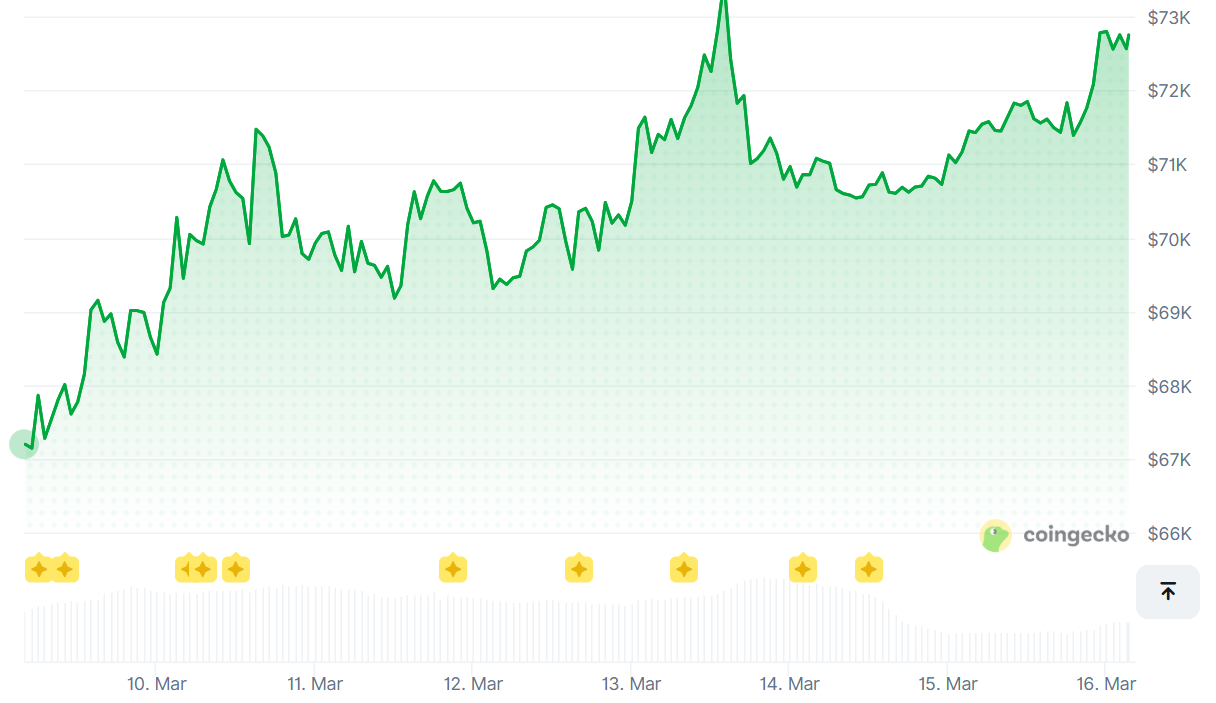 Source: CoinGecko
Alternative cryptocurrencies reflected the upward movement of Bitcoin. The price of Ethereum increased by 4.7%, reaching $2,188, while XRP saw a 3% rise to $1.45, and Solana experienced a 4.8% growth, now trading at $92.
According to analysts, the current price surge is a sign of a rebound, aided by the fresh investments in bitcoin exchange-traded funds that were made last week.
Indeed, the recent rise in Bitcoin prices, approaching $73,000, can be attributed to robust inflows from spot ETFs, short squeezes resulting from liquidations, and significant accumulation by institutions and large investors, all occurring against a backdrop of limited supply following the halving event.
Each trading day last week saw net inflows totalling $767.3 million into spot bitcoin ETFs. Ethereum ETFs over the last week also saw net inflows of $160.8 million.
The recent inflows and price increase in cryptocurrency come even amidst the ongoing US-Iran conflict, which continues to contribute to global uncertainty.
Officials from Iran have expressed their readiness for an extended conflict with the United States and have indicated their willingness to persist in military actions against neighbouring nations.
The escalation late last week, with energy infrastructure targeting and retaliation becoming a real risk.
Oil prices continue to experience significant fluctuations as tensions escalate regarding the possible closure of the Strait of Hormuz, a crucial narrow shipping lane linking the Persian Gulf to international markets.
Crude oil was priced slightly under $100 per barrel after surging over 40% since the start of the war, with bets for it to soar to $200 per barrel if the war does not end soon.
Experts have observed that bitcoin continues to demonstrate its "digital gold" strength in the face of tensions in the Middle East and fluctuations in oil prices.
Rather than being the start of a sustained rising trend, this looks to be a robust rebound from the mid-$60,000 lows. If inflows keep so strong, $80,000+ is still within the realm of possibility, but confirmation requires further momentum.
This week, Bitcoin will be looking at the $70,000 to $71,000 region as a support level; a breach over that level would set off a surge above $80,000. A decisive move past $75,000 may pave the way for a more robust upward trend.
In the coming week, market participants are expected to closely monitor the broader economic landscape, geopolitical events, and the actions of significant purchasers like Strategy in their ongoing accumulation of BTC.
Long-term Investors Jump In
The sentiment in the crypto market has plunged to a level of 15, firmly within the realm of “Extreme Fear,” while the largest Bitcoin holders have strategically chosen to act contrary to this prevailing anxiety.
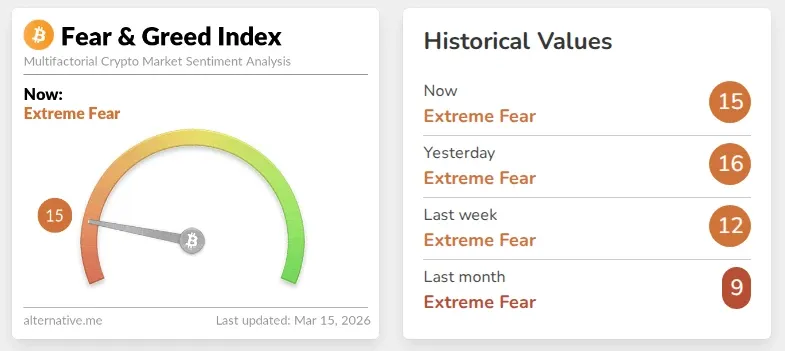
Recent data from crypto analytics platform Santiment reveals that wallets containing between 10 and 10,000 BTC have boosted their combined share of the total supply to 68% last week, maintaining the same percentage as the week before.
Large investors were making informed decisions.
Santiment revealed that accumulation took place while Bitcoin remained stable around $71,000 — a price point that significant stakeholders seem to have recognized as a strategic opportunity to engage.
Although this adjustment might appear minor in documentation, experts have highlighted it as a significant shift in direction following weeks of selling pressure.
Bitcoin was valued at approximately $72,500, reflecting an increase of over 8% compared to the previous week.
The timing is noteworthy. Just over a week ago, the actions of significant market players indicated a contrasting narrative.
Recent reports reveal that in the two days prior to March 6, significant holders of Bitcoin sold off 65% of their assets acquired between February 23 and March 3. This notable sell-off occurred just as Bitcoin briefly reached $74,000 before experiencing a pullback.
While it's encouraging that major players have been increasing their accumulation recently, the situation is far from resolved. Now the focus of the experts is on whether ordinary investors, who often have less capital to invest, start to cut back.
According to past evidence, normal purchasers lose faith and opt to sell when Bitcoin hits rock bottom, not because big investors flee. Typically, markets do not promptly acknowledge the prevailing consensus. Should retail involvement remain high or continue to increase, experts suggest that this may indicate further declines rather than a rebound.
There are still positive signals in the market. In a notable development, US spot Bitcoin ETFs experienced their inaugural five-day inflow streak of 2026, attracting approximately $767 million throughout the week.
The persistent interest from institutions cannot be overlooked, and it introduces an additional layer of intricacy to an otherwise uncertain short-term perspective.
The future trajectory of the market, whether it signals the beginning of a lasting rebound or merely a temporary halt in a downward trend, will largely hinge on the actions of individual investors in the coming days.
Traditional trends show that assets are moving from less confident holders to more committed investors, thus experts are watching for a decline in small wallet holdings and an increase in large wallet positions.
The change has started. It remains to be seen if it remains valid.
Be at the heart of TradFi–DeFi collaboration at Money20/20 Asia 2026.

Are you looking to forge partnerships with banks and fintechs? To expand into new markets across Asia, or to secure funding from top-tier investors? This April, the world of digital assets, blockchain, and Web3 converges with the biggest players in APAC’s financial ecosystem at Money20/20 Asia 2026 and its brand new ‘Intersection’ zone, complete with a dedicated content stage, TradFi-Defi innovator showcase, and curated networking spaces. From traditional banking giants to decentralised innovators, private equity leaders, and cutting-edge fintech disruptors, this is where they meet to forge partnerships, spark dialogue, and shape the future of finance.


You May Also Like

GameStop Proposes $55B eBay Takeover Deal
MAGA Supreme Court judge: We do what we want because this 'isn't a popularity contest'