BitcoinWorld WLFI Token Buyback: Unlocking Massive Value with a Revolutionary Protocol Fee Proposal In the dynamic world of decentralized finance (DeFi), innovation often stems from community-driven initiatives. A significant development is currently unfolding with WorldLibertyFinancial (WLFI), which has put forward a groundbreaking governance proposal. This initiative aims to utilize 100% of its protocol-owned liquidity (POL) fees for a dedicated WLFI token buyback and permanent burn mechanism. This move could profoundly reshape the token’s economic landscape. Understanding WLFI’s Bold Buyback Proposal The core of this proposal is straightforward yet powerful: all fees generated from WLFI’s protocol-owned liquidity will be reinvested directly into the WLFI ecosystem. Specifically, these funds will be used to purchase WLFI tokens from the open market, effectively reducing the circulating supply. This is not just a temporary measure; once acquired, these tokens will be permanently removed from circulation through a ‘burn’ process. The community has shown overwhelming support for this strategic shift. As of now, the proposal boasts an impressive 99.6% approval rate, signaling strong consensus among WLFI holders. Voting is set to conclude on September 19, making this a pivotal moment for the protocol’s future direction. Why is WLFI Token Buyback So Powerful for Value Creation? A robust WLFI token buyback strategy offers several compelling benefits, particularly in the context of a DeFi protocol. By consistently reducing the token’s supply, the proposal aims to create scarcity, a fundamental driver of value in any market. This mechanism can lead to a more stable and potentially appreciating token price over time. Key advantages of this approach include: Increased Scarcity: Fewer tokens in circulation can naturally drive up demand and value. Enhanced Value Proposition: It creates a direct, transparent mechanism to return value to token holders, fostering stronger confidence and loyalty. Reduced Inflationary Pressure: Counteracts the natural inflation often associated with token emissions, promoting long-term sustainability. Community Alignment: Demonstrates a commitment to token holders’ interests, encouraging active participation and long-term holding. What Does This Mean for WLFI Holders and the Broader DeFi Ecosystem? For existing WLFI holders, this proposal represents a significant vote of confidence in the protocol’s future. The consistent demand created by the WLFI token buyback can contribute to price stability and potential growth, rewarding those who believe in the project’s long-term vision. It also empowers the community, as the decision to implement such a crucial economic model rests entirely on their votes. Furthermore, this initiative sets an example for the wider DeFi space. Protocols that actively manage their tokenomics through transparent and community-approved mechanisms like this can build greater trust and attract more users and investors. It highlights the power of decentralized governance in shaping a project’s economic destiny. Navigating the Mechanics: How the WLFI Token Buyback Works The process for this WLFI token buyback is designed for clarity and efficiency. First, the protocol collects fees generated from its liquidity operations. These fees, denominated in various cryptocurrencies, are then used to market buy WLFI tokens. Once purchased, these tokens are sent to an unspendable address, effectively removing them from the circulating supply forever. This ‘burn’ mechanism ensures that the reduction in supply is permanent and verifiable on the blockchain. This transparent and automated system minimizes human intervention, enhancing the trustworthiness of the process. It ensures that the value generated by the protocol’s activities directly benefits its token holders through a deflationary mechanism. The WLFI community’s decision on this proposal will undoubtedly mark a significant chapter in the protocol’s journey. By dedicating 100% of its POL fees to a perpetual buyback and burn, WLFI aims to forge a path towards enhanced token value, robust economic stability, and deeper community engagement. This revolutionary approach could serve as a powerful model for sustainable growth in the ever-evolving DeFi landscape. Frequently Asked Questions (FAQs) 1. What is a token buyback and burn? A token buyback involves a project repurchasing its own tokens from the open market. A ‘burn’ then permanently removes these tokens from circulation, typically by sending them to an unrecoverable address. This process reduces the total supply, aiming to increase scarcity and potentially boost the token’s value. 2. What are Protocol-Owned Liquidity (POL) fees? Protocol-Owned Liquidity (POL) refers to liquidity that a decentralized protocol owns and manages itself, rather than relying solely on external liquidity providers. POL fees are the revenues generated from providing this liquidity to decentralized exchanges or other financial applications. 3. How does this proposal benefit WLFI holders? By reducing the total supply of WLFI tokens through buybacks and burns, the proposal aims to increase the scarcity of each token. This can lead to a higher demand and potentially a higher market value for WLFI, directly benefiting existing token holders. 4. When does the voting on this WLFI token buyback proposal conclude? The voting period for this governance proposal is set to conclude on September 19. 5. Is using 100% of fees for buyback and burn common in DeFi? While buyback and burn mechanisms are common in DeFi, dedicating 100% of protocol-owned liquidity fees specifically to this purpose is a bold and aggressive strategy, reflecting a strong commitment to token value appreciation and community alignment. If you found this insight into WLFI’s innovative proposal valuable, consider sharing it with your network! Your support helps spread awareness about critical developments shaping the future of decentralized finance. To learn more about the latest crypto market trends, explore our article on key developments shaping DeFi protocols and their price action. This post WLFI Token Buyback: Unlocking Massive Value with a Revolutionary Protocol Fee Proposal first appeared on BitcoinWorld and is written by Editorial TeamBitcoinWorld WLFI Token Buyback: Unlocking Massive Value with a Revolutionary Protocol Fee Proposal In the dynamic world of decentralized finance (DeFi), innovation often stems from community-driven initiatives. A significant development is currently unfolding with WorldLibertyFinancial (WLFI), which has put forward a groundbreaking governance proposal. This initiative aims to utilize 100% of its protocol-owned liquidity (POL) fees for a dedicated WLFI token buyback and permanent burn mechanism. This move could profoundly reshape the token’s economic landscape. Understanding WLFI’s Bold Buyback Proposal The core of this proposal is straightforward yet powerful: all fees generated from WLFI’s protocol-owned liquidity will be reinvested directly into the WLFI ecosystem. Specifically, these funds will be used to purchase WLFI tokens from the open market, effectively reducing the circulating supply. This is not just a temporary measure; once acquired, these tokens will be permanently removed from circulation through a ‘burn’ process. The community has shown overwhelming support for this strategic shift. As of now, the proposal boasts an impressive 99.6% approval rate, signaling strong consensus among WLFI holders. Voting is set to conclude on September 19, making this a pivotal moment for the protocol’s future direction. Why is WLFI Token Buyback So Powerful for Value Creation? A robust WLFI token buyback strategy offers several compelling benefits, particularly in the context of a DeFi protocol. By consistently reducing the token’s supply, the proposal aims to create scarcity, a fundamental driver of value in any market. This mechanism can lead to a more stable and potentially appreciating token price over time. Key advantages of this approach include: Increased Scarcity: Fewer tokens in circulation can naturally drive up demand and value. Enhanced Value Proposition: It creates a direct, transparent mechanism to return value to token holders, fostering stronger confidence and loyalty. Reduced Inflationary Pressure: Counteracts the natural inflation often associated with token emissions, promoting long-term sustainability. Community Alignment: Demonstrates a commitment to token holders’ interests, encouraging active participation and long-term holding. What Does This Mean for WLFI Holders and the Broader DeFi Ecosystem? For existing WLFI holders, this proposal represents a significant vote of confidence in the protocol’s future. The consistent demand created by the WLFI token buyback can contribute to price stability and potential growth, rewarding those who believe in the project’s long-term vision. It also empowers the community, as the decision to implement such a crucial economic model rests entirely on their votes. Furthermore, this initiative sets an example for the wider DeFi space. Protocols that actively manage their tokenomics through transparent and community-approved mechanisms like this can build greater trust and attract more users and investors. It highlights the power of decentralized governance in shaping a project’s economic destiny. Navigating the Mechanics: How the WLFI Token Buyback Works The process for this WLFI token buyback is designed for clarity and efficiency. First, the protocol collects fees generated from its liquidity operations. These fees, denominated in various cryptocurrencies, are then used to market buy WLFI tokens. Once purchased, these tokens are sent to an unspendable address, effectively removing them from the circulating supply forever. This ‘burn’ mechanism ensures that the reduction in supply is permanent and verifiable on the blockchain. This transparent and automated system minimizes human intervention, enhancing the trustworthiness of the process. It ensures that the value generated by the protocol’s activities directly benefits its token holders through a deflationary mechanism. The WLFI community’s decision on this proposal will undoubtedly mark a significant chapter in the protocol’s journey. By dedicating 100% of its POL fees to a perpetual buyback and burn, WLFI aims to forge a path towards enhanced token value, robust economic stability, and deeper community engagement. This revolutionary approach could serve as a powerful model for sustainable growth in the ever-evolving DeFi landscape. Frequently Asked Questions (FAQs) 1. What is a token buyback and burn? A token buyback involves a project repurchasing its own tokens from the open market. A ‘burn’ then permanently removes these tokens from circulation, typically by sending them to an unrecoverable address. This process reduces the total supply, aiming to increase scarcity and potentially boost the token’s value. 2. What are Protocol-Owned Liquidity (POL) fees? Protocol-Owned Liquidity (POL) refers to liquidity that a decentralized protocol owns and manages itself, rather than relying solely on external liquidity providers. POL fees are the revenues generated from providing this liquidity to decentralized exchanges or other financial applications. 3. How does this proposal benefit WLFI holders? By reducing the total supply of WLFI tokens through buybacks and burns, the proposal aims to increase the scarcity of each token. This can lead to a higher demand and potentially a higher market value for WLFI, directly benefiting existing token holders. 4. When does the voting on this WLFI token buyback proposal conclude? The voting period for this governance proposal is set to conclude on September 19. 5. Is using 100% of fees for buyback and burn common in DeFi? While buyback and burn mechanisms are common in DeFi, dedicating 100% of protocol-owned liquidity fees specifically to this purpose is a bold and aggressive strategy, reflecting a strong commitment to token value appreciation and community alignment. If you found this insight into WLFI’s innovative proposal valuable, consider sharing it with your network! Your support helps spread awareness about critical developments shaping the future of decentralized finance. To learn more about the latest crypto market trends, explore our article on key developments shaping DeFi protocols and their price action. This post WLFI Token Buyback: Unlocking Massive Value with a Revolutionary Protocol Fee Proposal first appeared on BitcoinWorld and is written by Editorial Team

WLFI Token Buyback: Unlocking Massive Value with a Revolutionary Protocol Fee Proposal

BitcoinWorld
WLFI Token Buyback: Unlocking Massive Value with a Revolutionary Protocol Fee Proposal

In the dynamic world of decentralized finance (DeFi), innovation often stems from community-driven initiatives. A significant development is currently unfolding with WorldLibertyFinancial (WLFI), which has put forward a groundbreaking governance proposal. This initiative aims to utilize 100% of its protocol-owned liquidity (POL) fees for a dedicated WLFI token buyback and permanent burn mechanism. This move could profoundly reshape the token’s economic landscape.

Understanding WLFI’s Bold Buyback Proposal

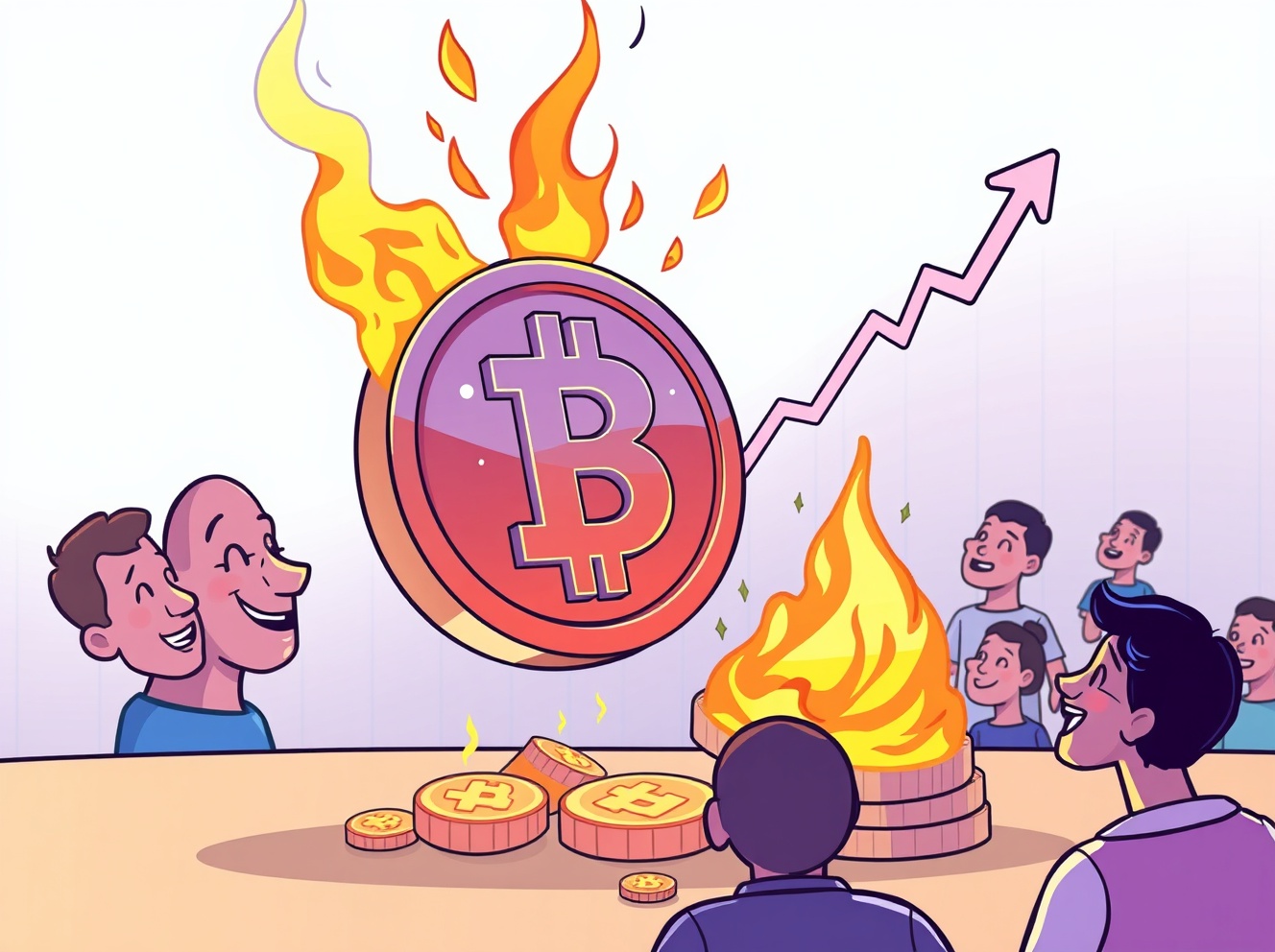
The core of this proposal is straightforward yet powerful: all fees generated from WLFI’s protocol-owned liquidity will be reinvested directly into the WLFI ecosystem. Specifically, these funds will be used to purchase WLFI tokens from the open market, effectively reducing the circulating supply. This is not just a temporary measure; once acquired, these tokens will be permanently removed from circulation through a ‘burn’ process.

The community has shown overwhelming support for this strategic shift. As of now, the proposal boasts an impressive 99.6% approval rate, signaling strong consensus among WLFI holders. Voting is set to conclude on September 19, making this a pivotal moment for the protocol’s future direction.

Why is WLFI Token Buyback So Powerful for Value Creation?

A robust WLFI token buyback strategy offers several compelling benefits, particularly in the context of a DeFi protocol. By consistently reducing the token’s supply, the proposal aims to create scarcity, a fundamental driver of value in any market. This mechanism can lead to a more stable and potentially appreciating token price over time.

Key advantages of this approach include:

  • Increased Scarcity: Fewer tokens in circulation can naturally drive up demand and value.
  • Enhanced Value Proposition: It creates a direct, transparent mechanism to return value to token holders, fostering stronger confidence and loyalty.
  • Reduced Inflationary Pressure: Counteracts the natural inflation often associated with token emissions, promoting long-term sustainability.
  • Community Alignment: Demonstrates a commitment to token holders’ interests, encouraging active participation and long-term holding.

What Does This Mean for WLFI Holders and the Broader DeFi Ecosystem?

For existing WLFI holders, this proposal represents a significant vote of confidence in the protocol’s future. The consistent demand created by the WLFI token buyback can contribute to price stability and potential growth, rewarding those who believe in the project’s long-term vision. It also empowers the community, as the decision to implement such a crucial economic model rests entirely on their votes.

Furthermore, this initiative sets an example for the wider DeFi space. Protocols that actively manage their tokenomics through transparent and community-approved mechanisms like this can build greater trust and attract more users and investors. It highlights the power of decentralized governance in shaping a project’s economic destiny.

The process for this WLFI token buyback is designed for clarity and efficiency. First, the protocol collects fees generated from its liquidity operations. These fees, denominated in various cryptocurrencies, are then used to market buy WLFI tokens. Once purchased, these tokens are sent to an unspendable address, effectively removing them from the circulating supply forever. This ‘burn’ mechanism ensures that the reduction in supply is permanent and verifiable on the blockchain.

This transparent and automated system minimizes human intervention, enhancing the trustworthiness of the process. It ensures that the value generated by the protocol’s activities directly benefits its token holders through a deflationary mechanism.

The WLFI community’s decision on this proposal will undoubtedly mark a significant chapter in the protocol’s journey. By dedicating 100% of its POL fees to a perpetual buyback and burn, WLFI aims to forge a path towards enhanced token value, robust economic stability, and deeper community engagement. This revolutionary approach could serve as a powerful model for sustainable growth in the ever-evolving DeFi landscape.

Frequently Asked Questions (FAQs)

1. What is a token buyback and burn?
A token buyback involves a project repurchasing its own tokens from the open market. A ‘burn’ then permanently removes these tokens from circulation, typically by sending them to an unrecoverable address. This process reduces the total supply, aiming to increase scarcity and potentially boost the token’s value.

2. What are Protocol-Owned Liquidity (POL) fees?
Protocol-Owned Liquidity (POL) refers to liquidity that a decentralized protocol owns and manages itself, rather than relying solely on external liquidity providers. POL fees are the revenues generated from providing this liquidity to decentralized exchanges or other financial applications.

3. How does this proposal benefit WLFI holders?
By reducing the total supply of WLFI tokens through buybacks and burns, the proposal aims to increase the scarcity of each token. This can lead to a higher demand and potentially a higher market value for WLFI, directly benefiting existing token holders.

4. When does the voting on this WLFI token buyback proposal conclude?
The voting period for this governance proposal is set to conclude on September 19.

5. Is using 100% of fees for buyback and burn common in DeFi?
While buyback and burn mechanisms are common in DeFi, dedicating 100% of protocol-owned liquidity fees specifically to this purpose is a bold and aggressive strategy, reflecting a strong commitment to token value appreciation and community alignment.

If you found this insight into WLFI’s innovative proposal valuable, consider sharing it with your network! Your support helps spread awareness about critical developments shaping the future of decentralized finance.

To learn more about the latest crypto market trends, explore our article on key developments shaping DeFi protocols and their price action.

This post WLFI Token Buyback: Unlocking Massive Value with a Revolutionary Protocol Fee Proposal first appeared on BitcoinWorld and is written by Editorial Team


Market Opportunity
Brainedge Logo
Brainedge Price(LEARN)
$0.00933
$0.00933$0.00933
+0.53%
USD
Brainedge (LEARN) Live Price Chart
Disclaimer: The articles reposted on this site are sourced from public platforms and are provided for informational purposes only. They do not necessarily reflect the views of MEXC. All rights remain with the original authors. If you believe any content infringes on third-party rights, please contact service@support.mexc.com for removal. MEXC makes no guarantees regarding the accuracy, completeness, or timeliness of the content and is not responsible for any actions taken based on the information provided. The content does not constitute financial, legal, or other professional advice, nor should it be considered a recommendation or endorsement by MEXC.

You May Also Like

China Launches Cross-Border QR Code Payment Trial

China Launches Cross-Border QR Code Payment Trial

The post China Launches Cross-Border QR Code Payment Trial appeared on BitcoinEthereumNews.com. Key Points: Main event involves China initiating a cross-border QR code payment trial. Alipay and Ant International are key participants. Impact on financial security and regulatory focus on illicit finance. China’s central bank, led by Deputy Governor Lu Lei, initiated a trial of a unified cross-border QR code payment gateway with Alipay and Ant International as participants. This pilot addresses cross-border fund risks, aiming to enhance financial security amid rising money laundering through digital channels, despite muted crypto market reactions. China’s Cross-Border Payment Gateway Trial with Alipay The trial operation of a unified cross-border QR code payment gateway marks a milestone in China’s financial landscape. Prominent entities such as Alipay and Ant International are at the forefront, participating as the initial institutions in this venture. Lu Lei, Deputy Governor of the People’s Bank of China, highlighted the systemic risks posed by increased cross-border fund flows. Changes are expected in the dynamics of digital transactions, potentially enhancing transaction efficiency while tightening regulations around illicit finance. The initiative underscores China’s commitment to bolstering financial security amidst growing global fund movements. “The scale of cross-border fund flows is expanding, and the frequency is accelerating, providing opportunities for risks such as cross-border money laundering and terrorist financing. Some overseas illegal platforms transfer funds through channels such as virtual currencies and underground banks, creating a ‘resonance’ of risks at home and abroad, posing a challenge to China’s foreign exchange management and financial security.” — Lu Lei, Deputy Governor, People’s Bank of China Bitcoin and Impact of China’s Financial Initiatives Did you know? China’s latest initiative echoes the Payment Connect project of June 2025, furthering real-time cross-boundary remittances and expanding its influence on global financial systems. As of September 17, 2025, Bitcoin (BTC) stands at $115,748.72 with a market cap of $2.31 trillion, showing a 0.97%…
Share
BitcoinEthereumNews2025/09/18 05:28
Zero Knowledge Proof Auction Limits Large Buyers to $50K: Experts Forecast 200x to 10,000x ROI

Zero Knowledge Proof Auction Limits Large Buyers to $50K: Experts Forecast 200x to 10,000x ROI

In most token sales, the fastest and richest participants win. Large buyers jump in early, take most of the supply, and control the market before regular people
Share
LiveBitcoinNews2026/01/19 08:00
IP Hits $11.75, HYPE Climbs to $55, BlockDAG Surpasses Both with $407M Presale Surge!

IP Hits $11.75, HYPE Climbs to $55, BlockDAG Surpasses Both with $407M Presale Surge!

The post IP Hits $11.75, HYPE Climbs to $55, BlockDAG Surpasses Both with $407M Presale Surge! appeared on BitcoinEthereumNews.com. Crypto News 17 September 2025 | 18:00 Discover why BlockDAG’s upcoming Awakening Testnet launch makes it the best crypto to buy today as Story (IP) price jumps to $11.75 and Hyperliquid hits new highs. Recent crypto market numbers show strength but also some limits. The Story (IP) price jump has been sharp, fueled by big buybacks and speculation, yet critics point out that revenue still lags far behind its valuation. The Hyperliquid (HYPE) price looks solid around the mid-$50s after a new all-time high, but questions remain about sustainability once the hype around USDH proposals cools down. So the obvious question is: why chase coins that are either stretched thin or at risk of retracing when you could back a network that’s already proving itself on the ground? That’s where BlockDAG comes in. While other chains are stuck dealing with validator congestion or outages, BlockDAG’s upcoming Awakening Testnet will be stress-testing its EVM-compatible smart chain with real miners before listing. For anyone looking for the best crypto coin to buy, the choice between waiting on fixes or joining live progress feels like an easy one. BlockDAG: Smart Chain Running Before Launch Ethereum continues to wrestle with gas congestion, and Solana is still known for network freezes, yet BlockDAG is already showing a different picture. Its upcoming Awakening Testnet, set to launch on September 25, isn’t just a demo; it’s a live rollout where the chain’s base protocols are being stress-tested with miners connected globally. EVM compatibility is active, account abstraction is built in, and tools like updated vesting contracts and Stratum integration are already functional. Instead of waiting for fixes like other networks, BlockDAG is proving its infrastructure in real time. What makes this even more important is that the technology is operational before the coin even hits exchanges. That…
Share
BitcoinEthereumNews2025/09/18 00:32