

Canadian Dollar Soars as Oil Prices Surge on Escalating Middle East Tensions
BitcoinWorld
Canadian Dollar Soars as Oil Prices Surge on Escalating Middle East Tensions
The Canadian Dollar strengthened significantly against major counterparts on Tuesday, January 14, 2025, as crude oil prices surged following renewed geopolitical instability in the Middle East. This movement highlights the enduring and critical correlation between Canada’s commodity-driven currency and global energy markets, a relationship that continues to dictate short-term forex volatility.
Canadian Dollar Advances on Oil Price Momentum
Foreign exchange markets recorded a pronounced rally for the Canadian Dollar, often referred to as the “loonie.” Consequently, the CAD/USD pair breached a key technical resistance level. Meanwhile, Brent crude futures climbed above $92 per barrel. This simultaneous action is not coincidental. Canada stands as the world’s fourth-largest oil producer and a major exporter. Therefore, its currency frequently acts as a proxy for energy market sentiment. Analysts at major financial institutions consistently monitor this link. They note that for every sustained $10 move in oil prices, the Canadian Dollar typically experiences a correlated shift of 3-5 cents against the U.S. Dollar, all else being equal.
Geopolitical Triggers in the Middle East
The immediate catalyst for the oil rally stems from the Strait of Hormuz. Specifically, reports confirmed a disruption to shipping lanes after a targeted incident involving a commercial vessel. This vital chokepoint handles approximately 20% of global oil trade. Any threat to transit immediately injects a “risk premium” into crude prices. Furthermore, diplomatic efforts between key regional powers have stalled. This development has heightened market anxieties about prolonged supply constraints. The table below outlines recent key events impacting oil flow:
| Date | Event | Market Impact |
|---|---|---|
| Jan 10, 2025 | Stalled negotiations in Doha | Increased uncertainty premium |
| Jan 12, 2025 | Minor pipeline disruption reported | Localized price spike |
| Jan 14, 2025 | Strait of Hormuz shipping incident | Broad-based global oil rally |
Expert Analysis on Currency-Oil Beta
Dr. Anya Sharma, Chief Currency Strategist at Global Macro Advisors, provided context. “The Canadian Dollar’s sensitivity to oil, or its ‘oil beta,’ remains structurally high,” she explained. “Today’s move is a textbook example. Markets are pricing in not just current supply fears but also future inflationary pressures and potential Bank of Canada policy responses.” Sharma’s team publishes a quarterly correlation index. Their latest data shows the 90-day correlation between WTI crude and CAD/USD at 0.78, indicating a very strong positive relationship.
Broader Market Impacts and Economic Implications
The rally extends beyond the forex market. Consequently, the Toronto Stock Exchange’s energy sector outperformed. Stocks of major Canadian oil sands producers gained between 4% and 7%. However, this presents a dual-edged sword for the Canadian economy. On one hand, higher oil prices improve trade balance figures and government royalty revenues. On the other hand, they complicate the inflation outlook for the Bank of Canada. Governor Tiff Macklem has previously signaled data-dependent patience. Sustained energy-driven inflation could force a reassessment of the current monetary policy stance.
Bond markets also reacted. Yields on Canadian government bonds edged higher. This movement reflects expectations that a stronger economy from energy exports could delay future rate cuts. International investors often view the loonie as a leveraged play on global growth and commodity cycles. Therefore, capital flows into Canadian assets frequently accelerate during such periods.
Historical Context and Comparative Performance
This event mirrors similar episodes from the past decade. For instance, the CAD surged during the 2019 Abqaiq–Khurais attack and the early 2022 price spike following the Ukraine invasion. However, the long-term trend shows a gradual decoupling. Canada’s economic diversification and the global energy transition have slightly reduced this dependency over time. Key factors influencing the modern relationship include:
- Pipeline Capacity: Recent expansions have improved market access for Canadian crude.
- U.S. Shale Production: America’s role as a top producer caps extreme price rallies.
- ESG Investment Flows: Some funds avoid fossil fuel-linked assets, creating cross-currents.
Despite these factors, the short-term reaction remains powerfully linked. The Canadian Dollar’s performance against other commodity currencies, like the Norwegian krone and Australian dollar, was notably stronger today. This suggests markets view the Middle East tensions as specifically bullish for oil rather than for broad commodities.
Conclusion
The Canadian Dollar’s advance provides a clear demonstration of fundamental market mechanics. Geopolitical tension in the Middle East triggered a risk premium in oil prices. This premium directly boosted the value of Canada’s key export, strengthening its currency. While diversification efforts continue, the loonie’s role as an oil proxy remains significant for traders and policymakers alike. Monitoring this relationship offers crucial insights into both currency valuation and global economic stress points.
FAQs
Q1: Why does the Canadian Dollar rise when oil prices go up?
Canada is a major oil exporter. Higher oil prices improve its trade balance and economic outlook, attracting investment and increasing demand for its currency.
Q2: How long does this correlation between the CAD and oil typically last?
The immediate correlation is strong, but sustained moves depend on the duration of the oil price shock and broader financial market conditions. It can last from days to several months.
Q3: Does this affect everyday Canadians?
Yes, indirectly. A stronger dollar makes imports cheaper, potentially lowering some prices. However, it can also make Canadian exports more expensive for foreign buyers, impacting other sectors.
Q4: What other factors influence the Canadian Dollar besides oil?
Key factors include interest rate decisions by the Bank of Canada, overall economic growth data, global risk sentiment, and the strength of the U.S. Dollar.
Q5: Could this rally reverse quickly?
Yes. If geopolitical tensions ease and oil prices fall, or if broader market risk aversion triggers a “flight to safety” into the U.S. Dollar, the Canadian Dollar could give back its gains.
This post Canadian Dollar Soars as Oil Prices Surge on Escalating Middle East Tensions first appeared on BitcoinWorld.


You May Also Like

Google (GOOGL) Stock: Dips Marginally on Reports of India AI Infrastructure Push
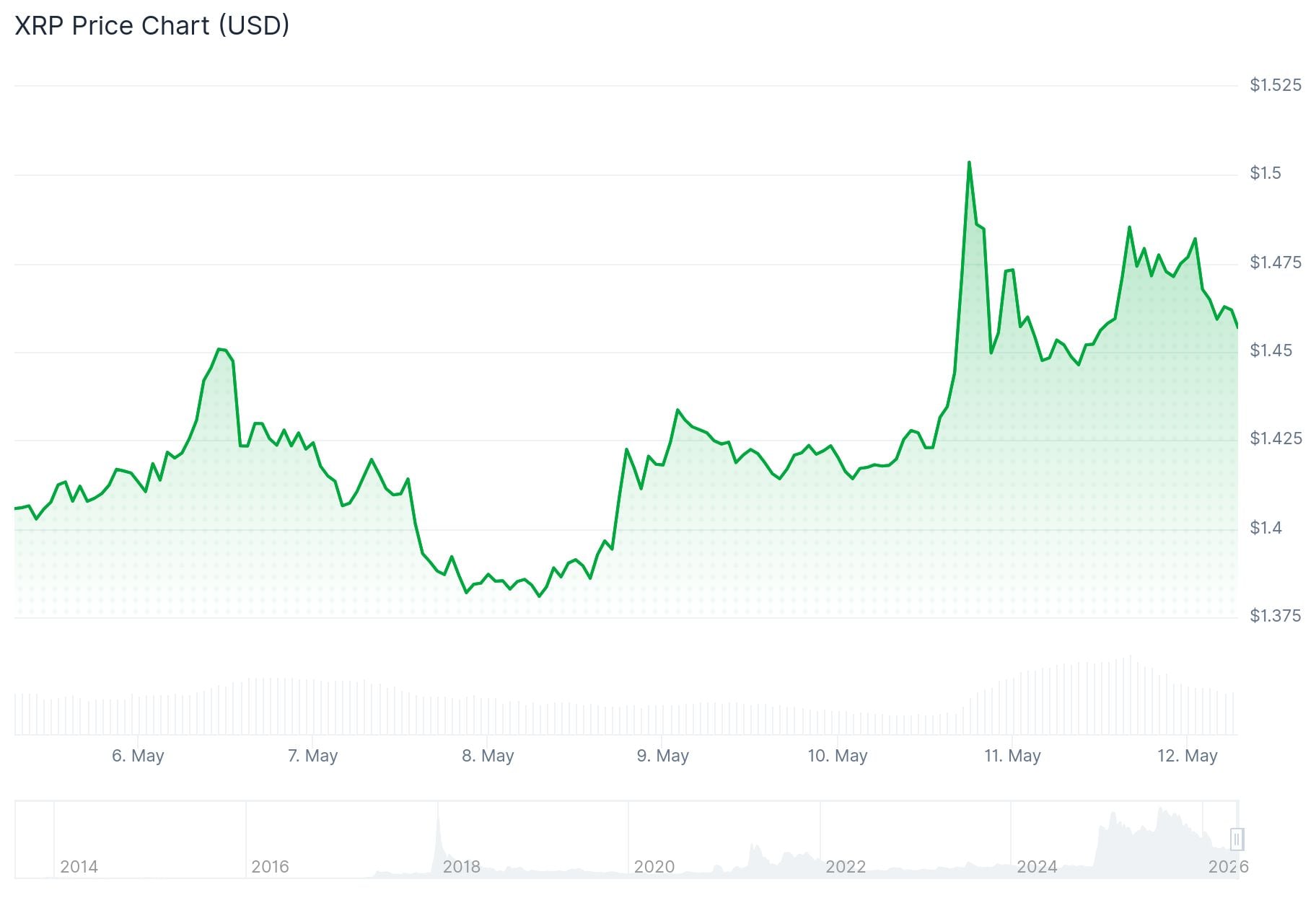
XRP Price: Bullish Signals Pile Up as $2 Target Comes Back Into View




