

Bank of Japan Policy: Governor Ueda’s Crucial Outlook After Maintaining Interest Rates
BitcoinWorld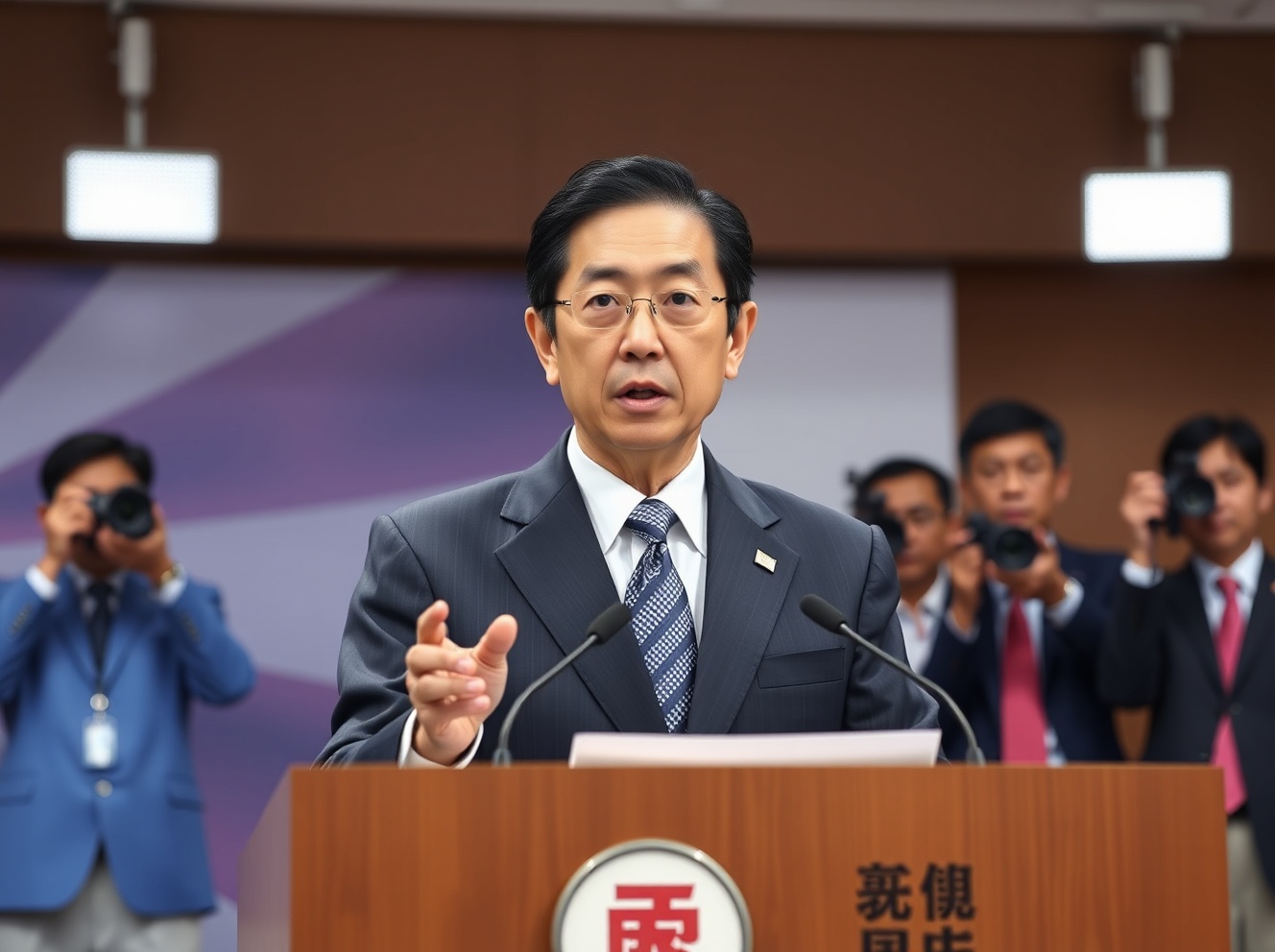
Bank of Japan Policy: Governor Ueda’s Crucial Outlook After Maintaining Interest Rates
TOKYO, March 2025 – Bank of Japan Governor Kazuo Ueda delivered a pivotal policy outlook speech today following the central bank’s widely anticipated decision to maintain its current interest rate framework. The address provided critical insights into Japan’s monetary policy trajectory amid persistent economic uncertainties and shifting global financial conditions. Market participants globally scrutinized every word for signals about Japan’s exit strategy from its long-standing accommodative stance.
Bank of Japan Policy Framework Maintained
The Bank of Japan’s Policy Board voted unanimously to keep its short-term interest rate target at -0.1% during its March 2025 meeting. Furthermore, the central bank maintained its yield curve control parameters, continuing to target 10-year Japanese Government Bond yields around 0% with an upper limit of 1.0%. This decision marks the fourth consecutive meeting without policy changes since the BoJ ended its negative interest rate policy in early 2024. Consequently, market attention shifted entirely to Governor Ueda’s subsequent press conference for forward guidance.
Governor Ueda emphasized several key factors influencing the decision. First, the bank continues to monitor wage growth trends following this year’s spring wage negotiations. Second, inflation expectations remain a primary concern despite recent moderation in consumer price increases. Third, global economic conditions, particularly monetary policy divergence between major central banks, create external pressures. The BoJ must therefore balance domestic needs with international financial stability considerations.
Ueda’s Monetary Policy Communication Strategy
Governor Ueda’s communication approach represents a significant evolution from his predecessors. His speech today demonstrated three distinct characteristics. First, he provided clearer forward guidance about policy normalization timelines. Second, he emphasized data dependency over predetermined schedules. Third, he acknowledged the complex interplay between monetary policy and fiscal sustainability. This transparent communication style aims to reduce market volatility during Japan’s delicate policy transition period.
The speech contained several important technical details about the BoJ’s assessment framework. Ueda explained how the bank evaluates the sustainability of its 2% inflation target. He outlined specific indicators the Policy Board monitors, including services price inflation, unit labor costs, and inflation expectations across different time horizons. Additionally, he discussed the bank’s evolving approach to balance sheet management as it considers reducing its massive government bond holdings.
Expert Analysis of Policy Implications
Financial analysts immediately parsed Ueda’s remarks for policy signals. Many noted his careful balancing act between acknowledging improving economic conditions and maintaining accommodative support. His references to “patiently continuing monetary easing” suggested no imminent rate hikes. However, his discussion of “examining the side effects of prolonged easing” indicated growing concern about market distortions. This nuanced positioning reflects Japan’s unique economic circumstances among developed economies.
The international context significantly influences Japan’s policy decisions. Currently, the Federal Reserve has paused its tightening cycle while the European Central Bank maintains higher rates. This policy divergence creates yen volatility that complicates Japan’s inflation management. Ueda addressed these concerns directly, stating the BoJ monitors currency movements but doesn’t target specific exchange rate levels. His comments aimed to reassure markets about policy independence while acknowledging global interconnectedness.
Economic Background and Historical Context
Japan’s monetary policy journey spans three decades of unconventional measures. The Bank of Japan pioneered quantitative easing in the early 2000s, expanded it dramatically under Governor Kuroda in 2013, and now navigates normalization under Ueda’s leadership. This historical context is crucial for understanding current policy decisions. The bank’s balance sheet exceeds Japan’s annual GDP, creating unprecedented challenges for policy normalization.
Recent economic data provides mixed signals for policymakers. The table below summarizes key indicators the BoJ monitors:
| Indicator | Current Reading | Policy Relevance |
|---|---|---|
| Core CPI Inflation | 2.3% (Feb 2025) | Above target but moderating |
| Unemployment Rate | 2.4% (Jan 2025) | Near historic lows |
| Wage Growth | 3.5% (2024 Shunto) | Positive but uneven |
| GDP Growth | 0.4% (Q4 2024) | Modest but positive |
These indicators collectively suggest Japan’s economy continues its gradual recovery. However, structural challenges persist, including demographic pressures and productivity concerns. Governor Ueda acknowledged these underlying issues while emphasizing monetary policy’s limitations in addressing structural reforms.
Market Reactions and Financial Impact
Financial markets responded moderately to Ueda’s speech. The yen initially weakened slightly against the dollar before stabilizing. Japanese government bond yields remained within the BoJ’s target range. Equity markets showed limited reaction, suggesting investors had largely priced in the policy status quo. This muted response indicates successful communication by the BoJ in managing market expectations.
Several key market implications emerge from today’s developments. First, the yield curve control framework continues to function despite growing market skepticism. Second, the BoJ maintains its role as a provider of global liquidity. Third, Japan’s monetary policy divergence from other major economies persists. These factors collectively influence global capital flows and risk asset valuations worldwide.
International investors particularly focus on several aspects. They monitor Japan’s real interest rates, which remain deeply negative despite nominal rate adjustments. They also watch for signs of sustained inflation that would justify policy normalization. Furthermore, they assess the BoJ’s technical capacity to unwind its balance sheet without disrupting bond markets. Ueda addressed these concerns indirectly through his emphasis on gradual, data-dependent approaches.
Forward Guidance and Policy Trajectory
Governor Ueda provided clearer forward guidance than in previous communications. He outlined a potential policy normalization sequence that would involve several distinct phases. Initially, the BoJ would further adjust yield curve control parameters. Subsequently, it would consider ending its remaining asset purchases. Finally, the bank would gradually raise short-term interest rates toward neutral levels. This phased approach aims to minimize market disruption while restoring conventional policy tools.
The timing of these moves remains data-dependent. Ueda identified several specific thresholds the bank monitors. These include sustained achievement of the 2% inflation target, confirmed positive wage-price spiral dynamics, and stable financial market conditions. He emphasized that no single indicator would trigger policy changes, requiring holistic assessment of economic conditions. This nuanced approach reflects lessons from other central banks’ normalization experiences.
Global Central Banking Coordination
Japan’s monetary policy decisions increasingly consider international coordination aspects. The BoJ participates actively in various multilateral forums, including G7 and G20 meetings. These platforms facilitate policy dialogue and crisis management coordination. Ueda referenced this international dimension in his speech, noting the importance of minimizing negative spillovers from policy divergence.
Several specific coordination challenges exist currently. First, currency volatility requires careful communication among major central banks. Second, capital flow management becomes more complex with asynchronous policy cycles. Third, emerging market economies face particular challenges from developed economy policy shifts. The BoJ acknowledges these interconnected realities while prioritizing domestic mandates.
The bank’s international responsibilities extend beyond traditional monetary policy. Japan provides substantial swap line arrangements with several Asian economies. Additionally, the BoJ contributes to global financial safety nets through its participation in the IMF and regional arrangements. These roles create additional considerations for Japan’s policy normalization path.
Conclusion
Governor Kazuo Ueda’s policy outlook speech provides crucial guidance about Japan’s monetary policy trajectory. The Bank of Japan maintains its accommodative stance while preparing for eventual normalization. Today’s interest rate hold decision reflects careful balancing of domestic needs and global considerations. Market participants should expect gradual, data-dependent policy adjustments rather than abrupt changes. The BoJ’s communication strategy emphasizes transparency and predictability during this delicate transition period. Japan’s monetary policy decisions will continue influencing global financial conditions throughout 2025 and beyond.
FAQs
Q1: Why did the Bank of Japan maintain interest rates?
The BoJ kept rates unchanged due to several factors. First, wage growth needs further confirmation of sustainability. Second, inflation expectations require more stabilization. Third, global economic uncertainties persist. The bank prioritizes economic stability during Japan’s gradual recovery.
Q2: What signals did Governor Ueda provide about future rate hikes?
Ueda suggested a gradual, data-dependent approach to normalization. He outlined specific economic thresholds the bank monitors. These include sustained 2% inflation, positive wage-price dynamics, and financial market stability. No immediate rate hikes appear likely based on current guidance.
Q3: How does Japan’s policy differ from other major economies?
Japan maintains more accommodative policies than the US or Europe. This divergence stems from different inflation experiences and economic recoveries. The BoJ ended negative rates later than peers and maintains yield curve control. Policy normalization will therefore follow a distinct Japanese timeline.
Q4: What impact does BoJ policy have on global markets?
Japan’s monetary policy influences global liquidity conditions significantly. The yen serves as a major funding currency for carry trades. Japanese investors hold substantial foreign assets. Policy changes therefore affect capital flows, currency valuations, and risk asset prices worldwide.
Q5: How does the BoJ manage its massive balance sheet?
The bank employs careful balance sheet management strategies. It gradually reduces asset purchases while maintaining market functioning. The BoJ considers various technical approaches for eventual balance sheet reduction. This process requires coordination with fiscal authorities and international partners.
This post Bank of Japan Policy: Governor Ueda’s Crucial Outlook After Maintaining Interest Rates first appeared on BitcoinWorld.


You May Also Like
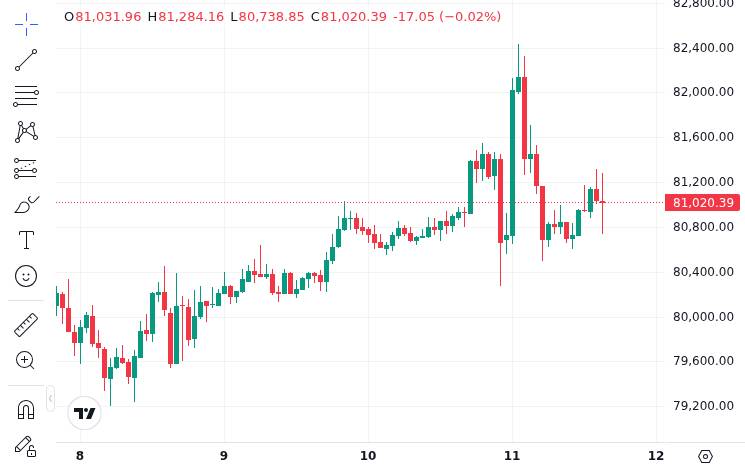
Strategy Buys 535 BTC, Total Holdings Hit 818,869 BTC

Saylor's Strategy resumes BTC accumulation with $43M million purchase




