Japan’s Hormuz Strait Dilemma: Takaichi Reveals Critical Legal Limits in Trump Security Talks
BitcoinWorld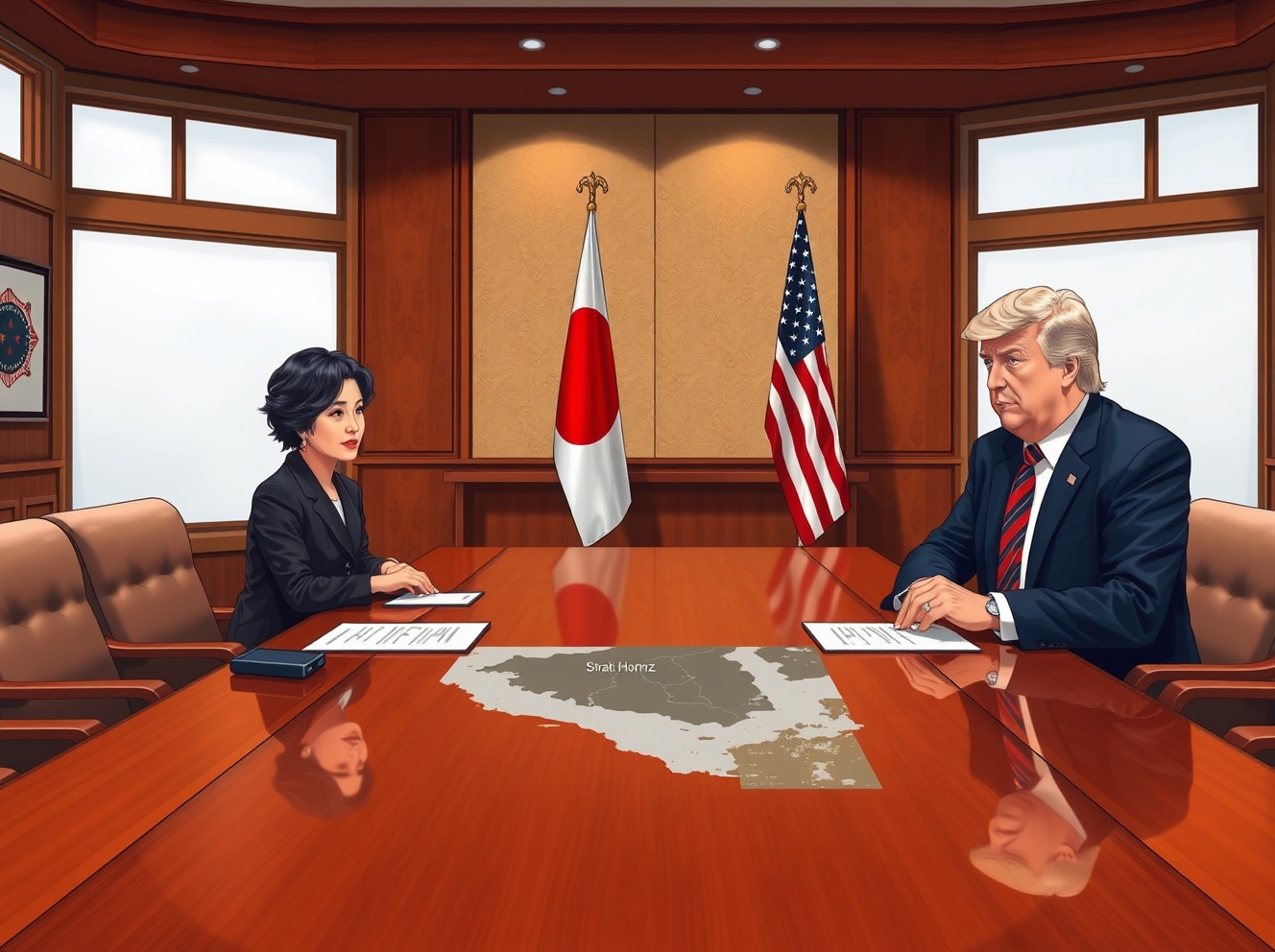
Japan’s Hormuz Strait Dilemma: Takaichi Reveals Critical Legal Limits in Trump Security Talks
TOKYO, Japan — Japanese politician Sanae Takaichi has disclosed significant constitutional constraints affecting Japan’s potential security assistance in the Strait of Hormuz during recent discussions with former U.S. President Donald Trump. This revelation comes amid escalating tensions in the critical Middle Eastern waterway, where approximately 20% of global oil shipments transit daily. The talks between Takaichi and Trump highlight Japan’s ongoing struggle to balance international security commitments with its pacifist constitutional framework.
Japan’s Constitutional Framework Limits Hormuz Assistance
Japan’s Constitution, particularly Article 9, presents substantial legal barriers to military deployment. This article explicitly renounces war and prohibits maintaining war potential. Consequently, Japan’s Self-Defense Forces operate under strict limitations regarding overseas operations. Takaichi reportedly explained these constraints to Trump during their discussions about regional security cooperation.
The Japanese government maintains several legal interpretations affecting Hormuz participation. First, collective self-defense remains highly restricted despite 2015 security legislation reforms. Second, geographical constraints limit operations to areas directly affecting Japanese security. Third, the exclusively defense-oriented policy prohibits offensive military actions. These limitations create significant challenges for Japan’s potential role in multinational security initiatives.
Historical Context of Japan’s Security Evolution
Japan’s security posture has evolved gradually since World War II. The 1992 International Peace Cooperation Law first authorized SDF participation in UN peacekeeping operations. Subsequently, the 2001 Anti-Terrorism Special Measures Law permitted refueling support in the Indian Ocean. More recently, the 2015 security legislation expanded interpretation of collective self-defense rights.
Despite these developments, constitutional constraints remain substantial. The Japanese Supreme Court has consistently interpreted Article 9 restrictively. Furthermore, public opinion strongly supports maintaining Japan’s pacifist identity. These factors create complex legal and political environments for security decision-making.
Comparative Analysis of Regional Security Contributions
Japan’s potential Hormuz assistance contrasts with other nations’ approaches. The United Kingdom participates through Operation Sentinel with warships. France maintains independent naval patrols in the region. Meanwhile, Germany contributes through surveillance aircraft rather than naval vessels. Japan’s constitutional limitations necessitate alternative approaches to regional security cooperation.
The table below illustrates different national approaches to Hormuz security:
| Country | Primary Contribution | Legal Basis | Constitutional Constraints |
|---|---|---|---|
| United Kingdom | Warship deployment | National security mandate | Minimal |
| Japan | Diplomatic & financial support | Peace Constitution | Substantial |
| Germany | Surveillance aircraft | Parliamentary mandate | Moderate |
| France | Independent naval patrols | Executive authority | Minimal |
Strategic Implications for US-Japan Relations
The Takaichi-Trump discussions occur within broader bilateral security conversations. The United States consistently encourages greater Japanese participation in global security. However, constitutional limitations create diplomatic complexities. Japan has instead pursued alternative contributions to Middle East stability.
These contributions include substantial financial assistance for regional development. Japan also provides diplomatic mediation between conflicting parties. Furthermore, Japan contributes to maritime security through capacity-building programs. These approaches align with constitutional limitations while supporting regional stability.
Key Japanese contributions to Middle East security include:
- Financial assistance: $2.5 billion pledged for Middle East stability (2020-2024)
- Diplomatic initiatives: Mediation between Iran and Gulf states
- Capacity building: Training programs for coast guard personnel
- Energy security: Strategic petroleum reserve maintenance
Expert Perspectives on Constitutional Interpretation
Constitutional scholars offer diverse interpretations of Japan’s security limitations. Professor Kenji Ishikawa of Tokyo University emphasizes Article 9’s fundamental constraints. He notes that any Hormuz deployment would require specific legislation. Furthermore, such legislation would face substantial political and legal challenges.
Conversely, security analyst Yuki Tanaka suggests evolving interpretations. He references recent government positions on collective self-defense. However, he acknowledges persistent limitations regarding overseas combat operations. Most experts agree that constitutional reform would require substantial political consensus.
Economic and Energy Security Considerations
The Strait of Hormuz holds critical importance for Japan’s energy security. Japan imports approximately 80% of its oil from the Middle East. Most shipments transit through the strategic waterway. Consequently, Hormuz stability directly affects Japan’s economic security.
Japan has developed comprehensive energy security strategies. These include diversification of supply sources. Additionally, Japan maintains substantial strategic petroleum reserves. The country also invests in alternative energy technologies. These measures mitigate dependence on Hormuz transit routes.
Recent developments have intensified energy security concerns. Attacks on tankers in 2019 highlighted transit vulnerabilities. Furthermore, regional tensions between Iran and Gulf states continue escalating. These factors increase pressure for Japanese security contributions despite constitutional limitations.
Conclusion
Sanae Takaichi’s disclosure regarding Japan’s constitutional limitations on Hormuz Strait assistance reveals fundamental tensions in Japanese security policy. The discussions with Donald Trump highlight Japan’s ongoing struggle to balance international expectations with domestic legal constraints. While Japan seeks to contribute to global security, Article 9 of its Constitution creates substantial barriers to traditional military participation. Consequently, Japan continues developing alternative approaches to regional stability through diplomatic, financial, and capacity-building initiatives. The evolving security environment will likely test these constitutional limitations further as regional tensions persist in the critical Strait of Hormuz.
FAQs
Q1: What is Article 9 of Japan’s Constitution?
Article 9 renounces war as a sovereign right and prohibits maintaining war potential. It forms the legal basis for Japan’s pacifist security policy and creates substantial constraints on military deployments.
Q2: How much oil transits through the Strait of Hormuz?
Approximately 20% of global oil consumption passes through the Strait of Hormuz daily. This includes about 80% of Japan’s oil imports, making it critically important for Japanese energy security.
Q3: What security contributions can Japan make despite constitutional limits?
Japan can provide financial assistance for regional development, diplomatic mediation between conflicting parties, capacity-building programs for coast guards, and strategic petroleum reserve maintenance to enhance energy security.
Q4: Has Japan participated in overseas security operations before?
Yes, Japan has participated in UN peacekeeping operations since 1992 and provided refueling support in the Indian Ocean after 2001. However, all operations must comply with strict constitutional interpretations.
Q5: What are the political implications of Japan’s constitutional constraints?
The constraints create diplomatic challenges with allies expecting greater security contributions, while domestically they reflect strong public support for maintaining Japan’s pacifist identity and require careful political navigation.
This post Japan’s Hormuz Strait Dilemma: Takaichi Reveals Critical Legal Limits in Trump Security Talks first appeared on BitcoinWorld.


You May Also Like

BlackRock Bets on Circle’s Arc: $222M Raised in Major Token Presale

Circle Q1 Revenue Falls Short of Estimates Despite Record USDC Growth and Surging Transaction Volume