

Crypto markets edge higher as gold sinks 43-year drop amid Iran war
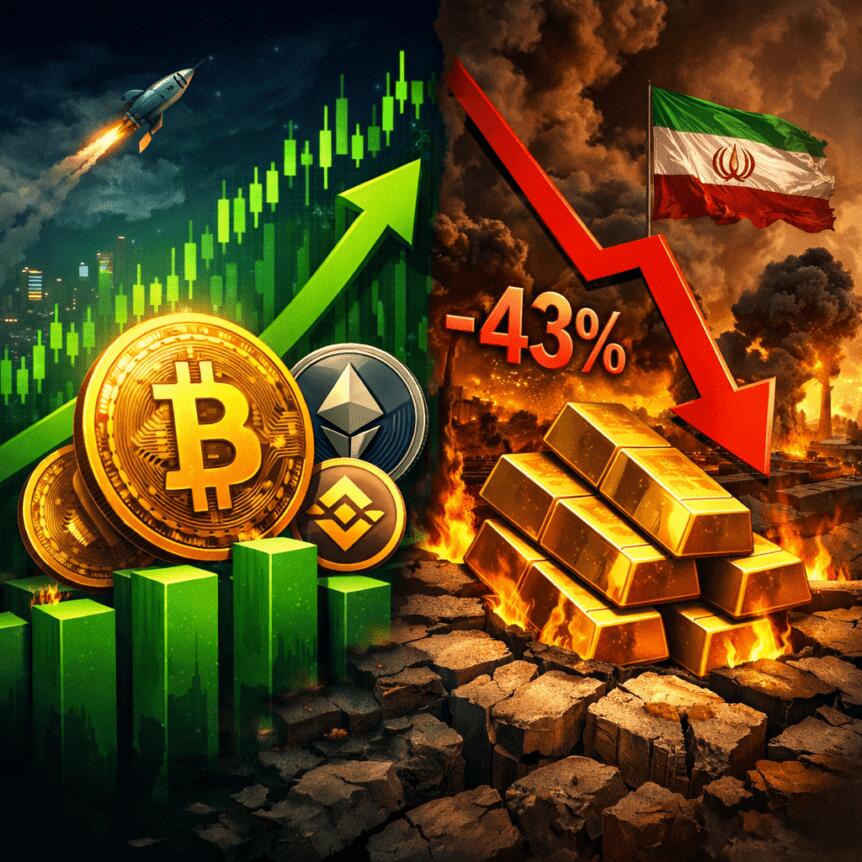
Gold slid 3.5% on Friday, trading around $4,488 per ounce, as geopolitical volatility and uncertainty in the Middle East weighed on sentiment. The decline pushed the metal’s weekly drop to about 11%, the steepest weekly decline since 1983, underscoring how a risk-off environment can erode the appeal of traditional safe-havens when energy and geopolitical risks dominate markets.
From late February, when US and allied actions in the region intensified, gold has fallen more than 15%, erasing a portion of a rapid rally that had lifted prices toward the $5,500 mark in late January. TradingView data highlighted that March 16–20 marked gold’s worst-performing week since 1983, underscoring how quickly the narrative can shift in times of geopolitical strain. TradingView noted the week’s move as historically significant for the yellow metal.
Analysts say the conflict is disrupting global energy flows, particularly through the Strait of Hormuz, feeding fears of a prolonged energy crisis as markets weigh the balance between safe-haven demand and the impact of higher energy costs on inflation and growth. In such an environment, investors are furling into risk-off assets while considering how energy-market dynamics might influence central-bank policy in the near term.
Amid the regional tensions, US President Donald Trump said he was weighing a winding-down of some Middle East military efforts. While talk of reducing troop deployments emerged, the United States has continued to bolster its regional presence, and airstrikes in the area persisted. The evolving stance adds another layer of uncertainty for traders trying to gauge the risk premium priced into gold and other assets.
Market watchers are also focusing on the Federal Reserve’s policy outlook. The broader expectation remains that the Fed will hold interest rates steady for the year, which could keep fixed-income yields attractive relative to gold in the near term. In a related note, Fed Chair Jerome Powell signaled that higher energy prices could push inflation higher in the near term, complicating the inflation trajectory and potentially influencing the demand for both gold and crypto assets as hedges or diversifiers.
Bitcoin finds footing as gold wobbles
Over the past year, gold has outperformed many traditional assets, rising roughly 48.5% while the broader crypto market has retraced about 16.5% in the same period. In the current environment, Bitcoin has shown a degree of resilience, trading near $70,000 and having risen more than 11% since the initial Iran-related attacks. The latest move reflects a common pattern where crypto markets react to geopolitical shocks differently than traditional safe-havens, sometimes offering a counterbalance to gold’s shifts.
Bitcoin’s relative performance this month has been notable. While gold has faced renewed pressure from the energy and geopolitical backdrop, BTC’s pullback earlier this year has shifted into a recovery phase, with the digital asset reclaiming some ground as investors evaluate risk, liquidity, and the potential for institutional and retail adoption to influence price trajectories. The dynamics illustrate a broader theme in crypto markets: while gold’s role as a hedge remains debated in times of energy-market stress, Bitcoin can exhibit outsized sensitivity to policy signals, global risk appetite, and liquidity conditions.
That said, the longer-term relationship between gold and crypto remains nuanced. The twelve-month lens shows gold’s robust rally vs. a broader crypto retracement, highlighting ongoing debates about which assets best weather macro shocks and how central-bank policy, energy volatility, and geopolitical risks reweight those choices for investors, traders, and builders in the crypto ecosystem.
What this means for markets and readers
The current environment underscores a few persistent themes for crypto markets and traditional assets alike. First, geopolitical risk can simultaneously depress traditional safe havens like gold and alter risk sentiment in crypto, where Bitcoin and other digital assets may trade as high-beta instruments in the short term. Second, energy-price dynamics and central-bank policy expectations are closely linked; if energy costs push inflation higher longer than anticipated, monetary policy paths may shift, affecting both gold’s appeal and crypto liquidity environments. Lastly, as the Strait of Hormuz and related chokepoints remain in focus, traders will continue to monitor oil-flow disruptions and their implications for global growth and asset correlations.
Investors should watch how central banks respond to evolving energy and inflation signals in the coming weeks, alongside any escalation or de-escalation in regional tensions. Crypto traders may look for catalysts in liquidity shifts, exchange flows, and macro scenarios that could widen the divergence between traditional safe-havens and digital-asset assets.
Looking ahead, the market will be attentive to any developments that could alter the risk calculus: a clear shift in Middle East policy, updates from the Fed on rate guidance, and how energy markets respond to supply-and-demand dynamics. In these conditions, gold and Bitcoin continue to offer distinct narratives about hedging, risk-taking, and the evolving role of crypto in a macro-driven market backdrop.
Readers should stay tuned for updates on geopolitical developments, central-bank communications, and energy-market signals, as they will shape the relative performance of gold, Bitcoin, and the broader crypto landscape in the near term.
This article was originally published as Crypto markets edge higher as gold sinks 43-year drop amid Iran war on Crypto Breaking News – your trusted source for crypto news, Bitcoin news, and blockchain updates.


You May Also Like

Pi Network Issues Urgent Protocol 23 Warning to Node Operators

Hyperliquid Policy Center Praises SEC Chair Atkins’ On-Chain Agenda Featuring 4 Key Proposals




