

Non-tariff measures on meat imports need streamlining — PCC
NON-TARIFF measures (NTMs) imposed on meat shipments were tallied at 169, which warrants streamlining if the growing Philippine market for imported meat is to become more competitive, the competition regulator said.
The Philippine Competition Commission (PCC) said in a brief that the Philippines remains among the world’s fastest-growing meat consumers, with demand projected to expand by 3.45% annually through 2028.
The study found that 169 NTMs are imposed on pork, beef, and chicken imports, with sanitary and phytosanitary (SPS) measures accounting for 77% of the total.
While these measures are designed to safeguard public health and address market failures, the PCC said they can become trade barriers when implemented through “onerous mechanisms.”
“Under such circumstances, NTMs act as non-tariff barriers, which are measures that effectively increase the price of goods or decrease the volume of trade by placing restrictive burdens on importers,” the PCC found.
The PCC said institutional gaps contribute to the inefficiency in the process and difficulty in compliance. These include inflexible and ambiguous guidelines, a lack of alignment with international standards, and weak coordination among regulatory agencies.
The commission added that procedural gaps, such as excessive documentation requirements and prolonged processing times, increase compliance costs and delay shipments.
Among the measures flagged by the PCC study as “potentially anti-competitive” are SPS import clearances required for every shipment, the 90-day must-ship-out rule, and strict labeling and packaging requirements.
The PCC said these requirements are often stringent and repetitive, forcing importers to incur additional expenses that are typically passed on to consumers through higher prices.
Supply constraints are further exacerbated by delays in the accreditation of meat-exporting countries and foreign meat establishments, as well as licensing requirements for importers.
These bottlenecks reduce the number of qualified suppliers and limit competition in terms of both price and product variety, the PCC said.
“Procedural challenges encompass recurring process delays, thereby restricting companies’ capacity to import goods efficiently and sustain supply,” the study concluded.
To address these concerns, the PCC recommended closer coordination among regulators, streamlining of processes, and the adoption of international best practices in managing NTMs.
It also proposed integrating NTM disciplines into trade agreements and strengthening the overall regulatory framework to ease compliance for businesses.
The commission said improving the implementation of NTMs could help lower trade costs, expand supply, and promote fair competition, ultimately benefiting consumers through more affordable and diverse meat products. — Vonn Andrei E. Villamiel


You May Also Like
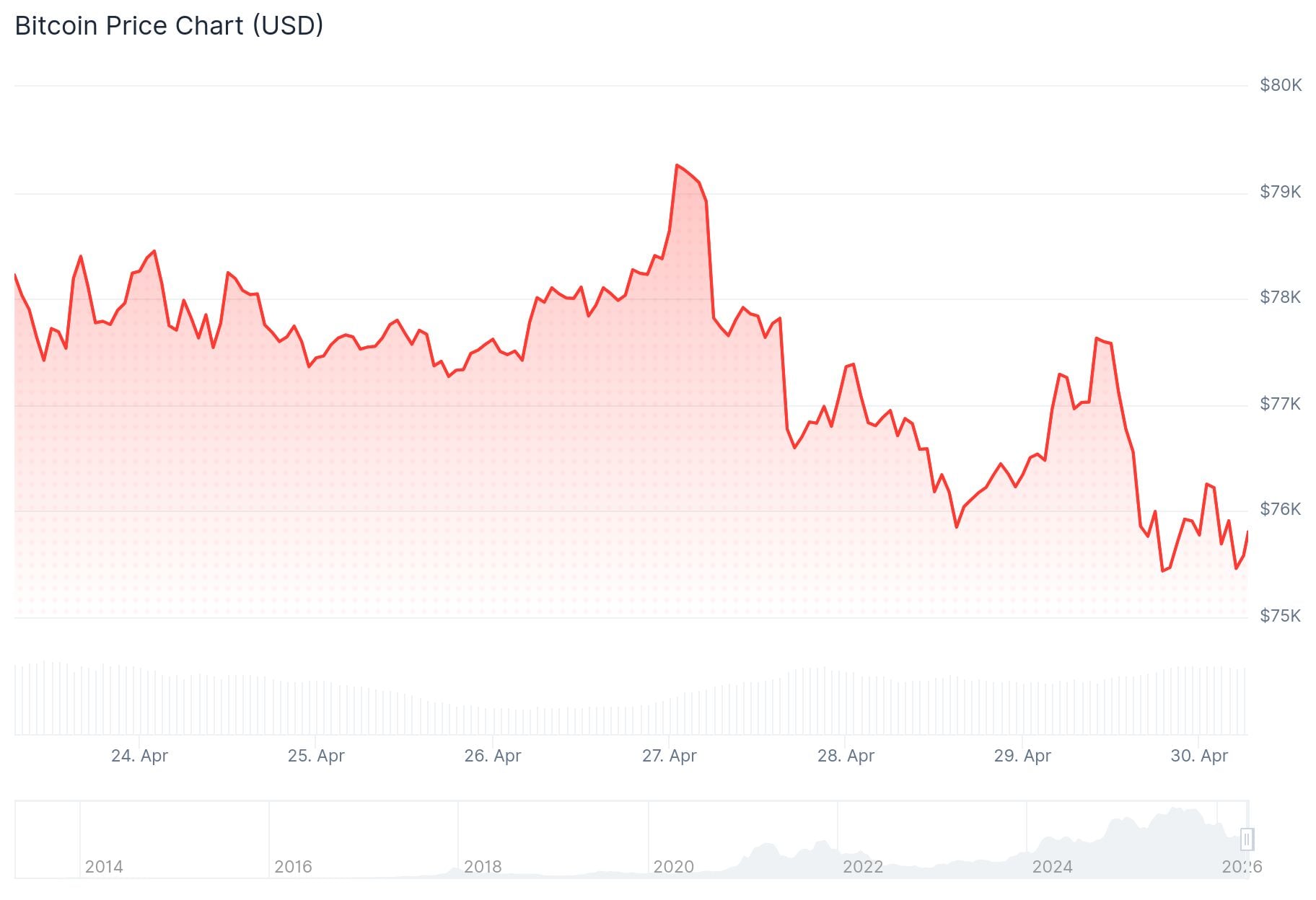
Daily Market Update: BTC Slides to $75K as Oil Hits Four-Year High and Tech Earnings Divide Wall Street

Flare’s FAssets v1.3 Brings Direct FXRP Minting to Songbird
