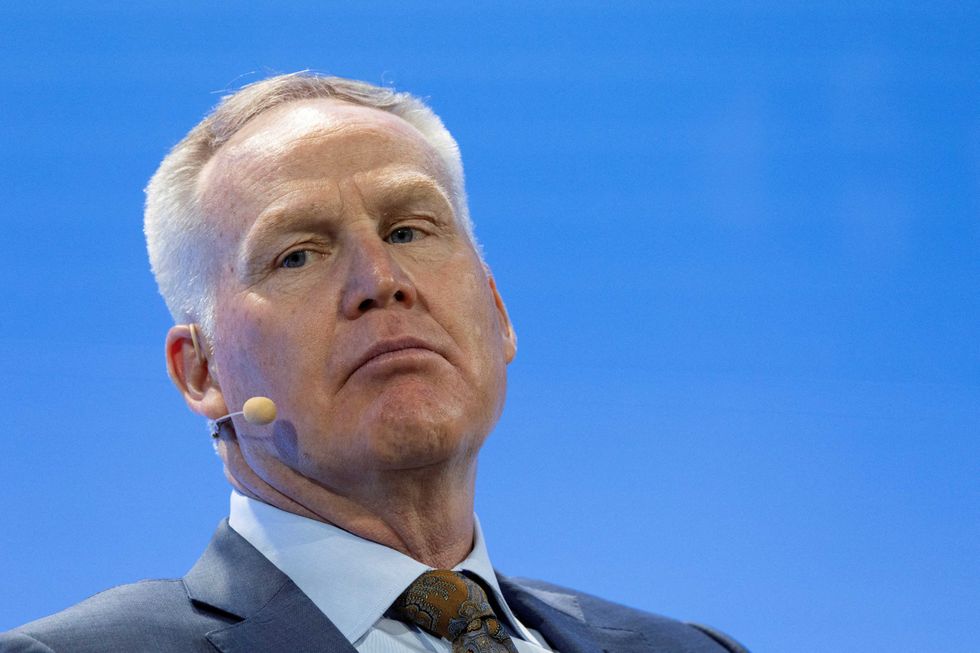
Bank of England’s Huw Pill Signals Critical Readiness to Act as Inflation Charts Demand Attention
BitcoinWorld
Bank of England’s Huw Pill Signals Critical Readiness to Act as Inflation Charts Demand Attention
Bank of England Chief Economist Huw Pill has delivered a clear message to financial markets: the central bank stands ready to adjust monetary policy as necessary, with recent inflation charts showing persistent pressures that demand attention. This statement comes at a critical juncture for the UK economy, where balancing growth and price stability remains challenging.
Bank of England’s Monetary Policy Stance
Huw Pill’s recent comments highlight the Bank of England’s ongoing assessment of economic conditions. The Monetary Policy Committee continues to monitor multiple indicators closely. Consequently, their decisions reflect careful consideration of inflation dynamics and growth prospects. The central bank maintains a data-dependent approach to policy adjustments.
Recent inflation charts reveal several concerning trends. Core inflation measures remain elevated above target levels. Service sector inflation shows particular persistence. Additionally, wage growth continues to outpace productivity gains. These factors combine to create a complex policy environment.
The Bank of England faces multiple competing priorities currently. First, controlling inflation remains the primary mandate. Second, supporting economic growth presents another consideration. Third, financial stability concerns add further complexity. Finally, global economic conditions influence domestic policy choices.
Analysis of Key Economic Indicators
Recent economic data provides crucial context for policy decisions. Inflation charts from the Office for National Statistics show specific patterns. Consumer Price Index readings have moderated but remain elevated. Services inflation proves particularly stubborn. Goods inflation shows more variability across categories.
Labor market indicators present mixed signals. Unemployment rates remain relatively low historically. However, wage growth continues at elevated levels. Vacancy rates show gradual normalization. These factors influence inflation expectations significantly.
Growth indicators suggest modest economic expansion. GDP figures show quarterly variations. Business investment displays cautious patterns. Consumer spending reflects ongoing pressure from cost of living. Export performance faces headwinds from global conditions.
Comparative Policy Approaches
The Bank of England’s stance compares with other major central banks. The Federal Reserve maintains its own inflation fight. The European Central Bank faces different structural challenges. The Bank of Japan continues its unique policy framework. These differences highlight varied economic conditions globally.
Historical context provides important perspective. Current inflation levels exceed those seen in recent decades. Policy responses have evolved significantly over time. Communication strategies have become more transparent. Market expectations now play a larger role in policy effectiveness.
Inflation Chart Analysis and Implications
Detailed examination of inflation charts reveals specific concerning areas. Housing costs continue to show upward pressure. Food inflation displays volatility but remains elevated. Energy prices show seasonal patterns with underlying trends. Core services excluding volatile components show persistent strength.
The composition of inflation matters for policy responses. Demand-driven inflation requires different tools. Supply-side constraints present separate challenges. Imported inflation adds external dimensions. Domestic capacity constraints create additional considerations.
Forward-looking indicators suggest ongoing pressures. Business surveys show pricing intentions. Consumer expectations surveys reveal concerns. Commodity price movements create upstream pressures. Exchange rate fluctuations influence import costs.
Expert Perspectives on Policy Options
Economic analysts offer varied interpretations of the situation. Some emphasize the need for continued vigilance. Others highlight risks of overtightening policy. Most agree that data dependency remains essential. The balance of risks requires careful assessment.
Market reactions to Pill’s comments have been measured. Government bond yields show limited movement. Currency markets display relative stability. Equity markets continue to assess implications. Derivative markets price in various policy scenarios.
Policy Transmission Mechanisms
The Bank of England utilizes multiple channels for policy impact. Interest rate changes affect borrowing costs directly. Quantitative tightening influences bond markets. Forward guidance shapes expectations. Regulatory tools support financial stability.
Transmission to the real economy occurs through several pathways. Mortgage rates affect housing markets. Business borrowing costs influence investment decisions. Consumer credit conditions impact spending patterns. Exchange rate movements affect trade competitiveness.
Time lags in policy effectiveness present challenges. Monetary policy actions typically show delayed impacts. Economic conditions may evolve during implementation. External shocks can disrupt expected outcomes. Therefore, policymakers must consider forward-looking indicators.
Historical Precedents and Lessons
Previous inflation episodes offer valuable lessons. The 1970s experience highlights dangers of accommodation. The 1990s demonstrate benefits of credibility. The 2008 crisis shows limits of conventional tools. The pandemic period reveals new transmission channels.
Communication strategies have evolved significantly. Central bank transparency has increased markedly. Forward guidance has become more sophisticated. Market conditioning plays a larger role. Public understanding has improved gradually.
Global Economic Context
International developments influence domestic policy choices. Global inflation trends show synchronization. Supply chain developments affect import prices. Commodity markets display volatility. Geopolitical factors create uncertainty.
Policy coordination among central banks remains limited. However, spillover effects are significant. Currency movements create cross-border impacts. Capital flows respond to relative policy stances. Trade patterns adjust to changing competitiveness.
Emerging market economies face particular challenges. Currency depreciation pressures can be intense. Inflation importation risks are elevated. Policy space may be more constrained. Therefore, developed economy policies have global implications.
Financial Stability Considerations
Monetary policy decisions affect financial stability. Interest rate changes influence asset valuations. Credit conditions impact bank profitability. Market functioning depends on liquidity conditions. Systemic risks require ongoing monitoring.
The Bank of England employs multiple tools for stability. Macroprudential policies address specific risks. Regulatory requirements ensure resilience. Supervision activities monitor emerging vulnerabilities. Crisis management frameworks provide backstops.
Conclusion
Bank of England Chief Economist Huw Pill’s statement about readiness to act reflects careful assessment of current economic conditions. Inflation charts continue to show concerning patterns that demand policy attention. The central bank maintains its commitment to price stability while considering broader economic impacts. Future decisions will depend on evolving data, particularly regarding inflation persistence and growth dynamics. The Bank of England’s approach emphasizes flexibility and data dependency in navigating complex economic challenges.
FAQs
Q1: What did Huw Pill mean by “ready to act if necessary”?
The statement indicates the Bank of England’s Monetary Policy Committee stands prepared to adjust interest rates or other policy tools based on incoming economic data, particularly if inflation shows signs of becoming more persistent than expected.
Q2: Which inflation charts are most concerning to the Bank of England?
Charts showing services inflation, core inflation measures excluding volatile components, and wage growth relative to productivity have drawn particular attention for their persistence above target levels.
Q3: How does the Bank of England’s stance compare to other central banks?
While all major central banks remain focused on controlling inflation, the Bank of England faces unique domestic challenges including specific services inflation pressures and wage dynamics that differ from other economies.
Q4: What factors would trigger policy action from the Bank of England?
Sustained upward movements in core inflation indicators, evidence of embedded inflation expectations, or signs that current policy settings are insufficient to return inflation to target would likely prompt action.
Q5: How quickly can the Bank of England respond to changing conditions?
The Monetary Policy Committee meets regularly and can adjust policy at any scheduled meeting, with additional flexibility through communication tools and, in exceptional circumstances, emergency meetings if warranted by economic developments.
This post Bank of England’s Huw Pill Signals Critical Readiness to Act as Inflation Charts Demand Attention first appeared on BitcoinWorld.
You May Also Like

Nvidia CEO Says AI Skills Beat Degrees in Hiring

Solana Price Prediction Needs a Year to Match What Pepeto Targets on Listing Day