Data Center Dilemma: Kentucky Woman’s Defiant $26 Million Farm Rejection Sparks National Debate
BitcoinWorld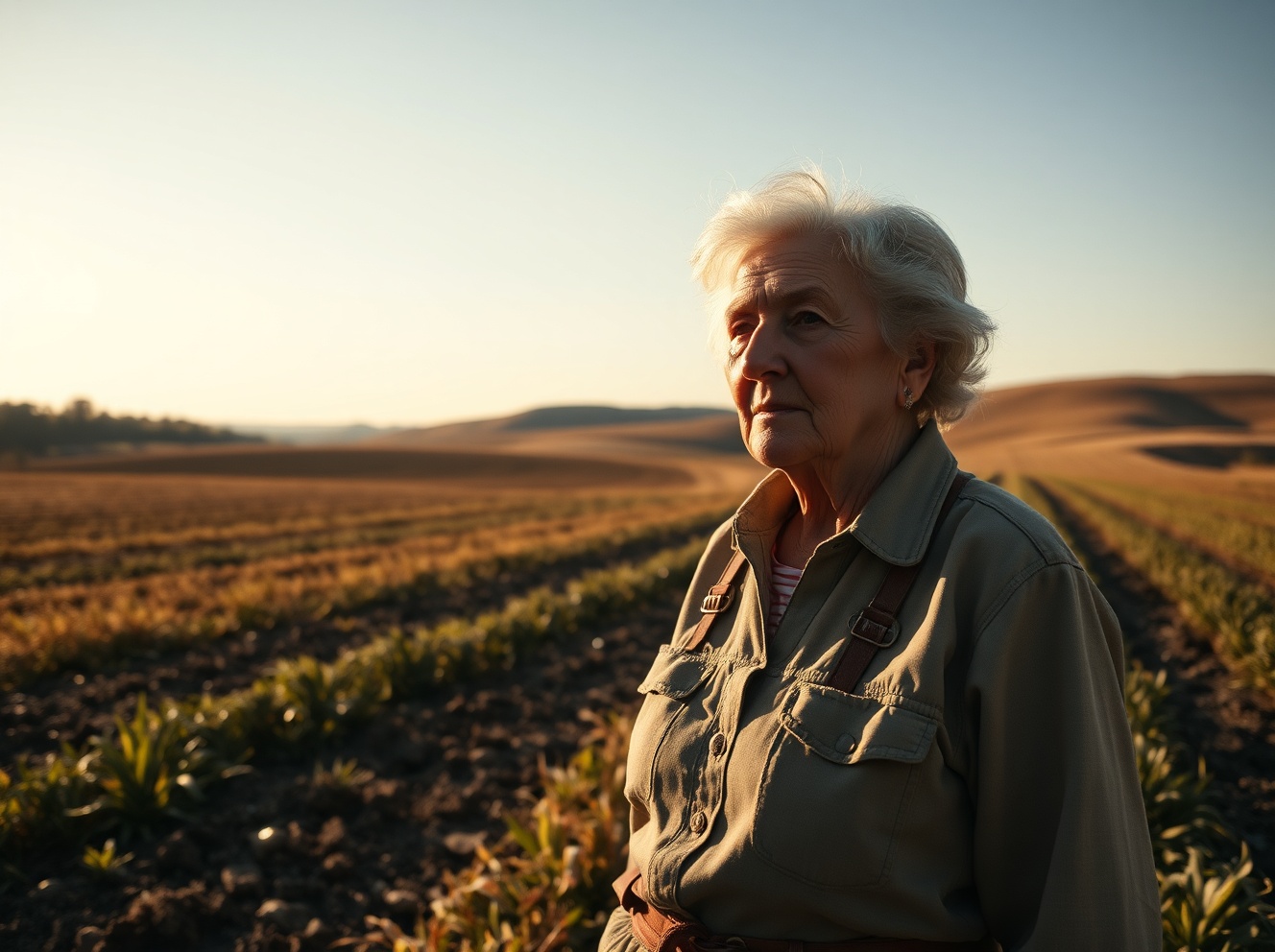
Data Center Dilemma: Kentucky Woman’s Defiant $26 Million Farm Rejection Sparks National Debate
MAYSVILLE, Kentucky — March 24, 2026. In a decision reverberating beyond Mason County, 82-year-old Ida Huddleston and her family rejected a staggering $26 million offer from a major artificial intelligence company. The proposed deal would have transformed part of their 1,200-acre ancestral farm into a power-hungry data center. This rejection encapsulates a growing national tension between rapid technological expansion and the preservation of agricultural heritage and environmental stability.
Data Center Expansion Meets Agricultural Steadfastness
The offer, reported by WKRC (Local 12), arrived as technology firms aggressively seek cheap land and reliable power for AI infrastructure. Consequently, rural communities nationwide face similar proposals. Huddleston’s farm, worked by her family for generations, became a target in this land rush. However, the family’s refusal was immediate and principled. “They call us old stupid farmers, you know, but we’re not,” Huddleston told reporters. Her statement underscores a deep understanding of land value beyond monetary appraisal.
Furthermore, the company, which remains unnamed in public reports, has not abandoned its plans. According to zoning documents, it filed a request to rezone over 2,000 acres in Northern Kentucky. This move suggests the proposed data center could still rise adjacent to the Huddleston property, creating a jarring juxtaposition of server racks against pastoral fields.
The Core Concerns: Environment, Economy, and Legacy
Huddleston’s reasoning, detailed in her interview, highlights three critical concerns shared by many rural residents.
- Environmental Impact: She explicitly cited fears of water depletion and ground contamination, referencing “that poison.” This aligns with documented cases where data center clusters strain local water resources for cooling and raise concerns about chemical runoff.
- Economic Promises: Huddleston expressed skepticism about job creation and genuine economic growth for Mason County. “It’s a scam,” she stated, questioning whether the high-tech facility would employ local residents or import specialized workers.
- Agricultural Legacy: At its heart, the decision is about preservation. “We know whenever our food is disappearing, our lands are disappearing,” she said, framing the issue as one of national food security and cultural continuity.
Expert Analysis on the Rural Crossroads
Land use economists note this case is not isolated. The demand for data centers is exploding, driven by the computational needs of generative AI and cloud storage. A 2025 report from the U.S. Government Accountability Office identified rural counties with affordable land and power access as primary targets. This creates a complex dilemma for communities often eager for economic investment but wary of irreversible change.
Agricultural experts point to the irreversible nature of such development. Once farmland is converted to industrial use, its soil ecosystem and agricultural potential are permanently lost. This trade-off pits immediate, substantial financial gain against long-term, sustainable land stewardship.
| Consideration | Data Center Development | Agricultural Preservation |
|---|---|---|
| Primary Output | Digital processing, AI computation | Food, fiber, ecosystem services |
| Resource Use | High electricity & water demand | Cyclical water use, solar energy |
| Employment | Specialized tech jobs (may be non-local) | Local agricultural & support jobs |
| Land Reversibility | Effectively permanent conversion | Sustainably renewable use |
| Community Impact | Potential for increased tax base | Preservation of rural character & heritage |
A National Pattern in a Kentucky Field
The Huddleston family’s stand reflects a broader narrative. From Virginia to Oregon, communities are grappling with data center proposals. Local governments face pressure to approve zoning changes that promise tax revenue. Meanwhile, residents and environmental groups increasingly voice concerns about strain on power grids, water supplies, and community character.
In Northern Kentucky, the specific concerns about water are particularly poignant. The region has experienced notable water scarcity events in recent years. Adding a facility that can use millions of gallons per day for cooling presents a tangible risk. Huddleston’s reference to “recent water shortages” connects her personal decision to a documented regional challenge.
The Path Forward: Zoning and Community Voice
The next chapter will unfold in local planning meetings. The unnamed AI company’s rezoning request for 2,000 acres will undergo public review. This process will test the community’s priorities. Will the promise of economic development outweigh concerns about environmental impact and loss of farmland? The Huddleston decision has already framed the debate, providing a powerful symbol of resistance.
Policy analysts suggest that clearer state and federal guidelines on siting critical infrastructure could help. Such guidelines would balance technological needs with protections for prime agricultural land and watersheds. Without them, decisions fall to county boards, often ill-equipped to negotiate with multinational technology corporations.
Conclusion
Ida Huddleston’s rejection of a $26 million data center offer is more than a local news story. It is a microcosm of a defining 21st-century conflict. The case forces a examination of what society values: the relentless expansion of digital infrastructure or the preservation of the land that physically sustains it. As AI companies continue their search for space and power, the quiet defiance of a Kentucky farmer may echo as a landmark reference point for communities nationwide facing the same profound choice.
FAQs
Q1: Why are data centers targeting rural farmland?
Data centers require vast, flat, affordable tracts of land with access to substantial electrical power and water for cooling. Rural areas often provide these conditions at a lower cost than urban or suburban locations, making farmland an attractive target for development.
Q2: What are the main environmental concerns with data centers?
The primary concerns are immense electricity consumption, which can strain local grids and increase carbon emissions unless powered by renewables, and high water usage for cooling systems, which can deplete local aquifers and waterways in water-stressed regions.
Q3: Did the AI company make a new offer after the initial rejection?
Public reports do not indicate a new direct offer to the Huddleston family. Instead, the company has pursued a rezoning request for over 2,000 acres in the area, which could allow it to build a data center on neighboring land.
Q4: How common is this type of land use conflict?
Extremely common. As demand for cloud computing and AI processing grows, technology firms are actively seeking sites across the United States and globally, leading to frequent conflicts in rural communities from the Midwest to the Pacific Northwest.
Q5: Can farmland be restored after hosting a data center?
Rarely. Data center construction involves extensive paving, subsurface utility installation, and permanent structural foundations. This process typically destroys the soil profile and drainage characteristics essential for agriculture, making a return to farming economically and ecologically unfeasible.
This post Data Center Dilemma: Kentucky Woman’s Defiant $26 Million Farm Rejection Sparks National Debate first appeared on BitcoinWorld.


You May Also Like

ESMA compliance internal audit funds review flags governance gaps

Why Businesses Need Professional Machine Design and Development Services