The AUD/USD pair struggles to gain any meaningful traction on Thursday and oscillates in a narrow range, just above a weekly trough set earlier this Thursday. Spot prices trade around mid-0.6900s during the early European session, nearly unchanged for the day, and remain well within striking distance of the lowest level since early February, touched on Monday.
Despite US President Donald Trump’s ceasefire rhetoric, the global risk sentiment remains fragile as Iran has publicly rejected claims of ongoing negotiations and said that there is no chance of a deal between the two adversaries. Furthermore, Iran turned down a 15-point ceasefire proposal from the US and has reportedly set sweeping demands to wind down the widening Middle East conflict. Apart from this, the deployment of additional US troops in the region points to the risk of a further escalation of geopolitical tensions in the region. This continues to underpin the US Dollar’s (USD) status as the global reserve currency and acts as a headwind for the AUD/USD pair.
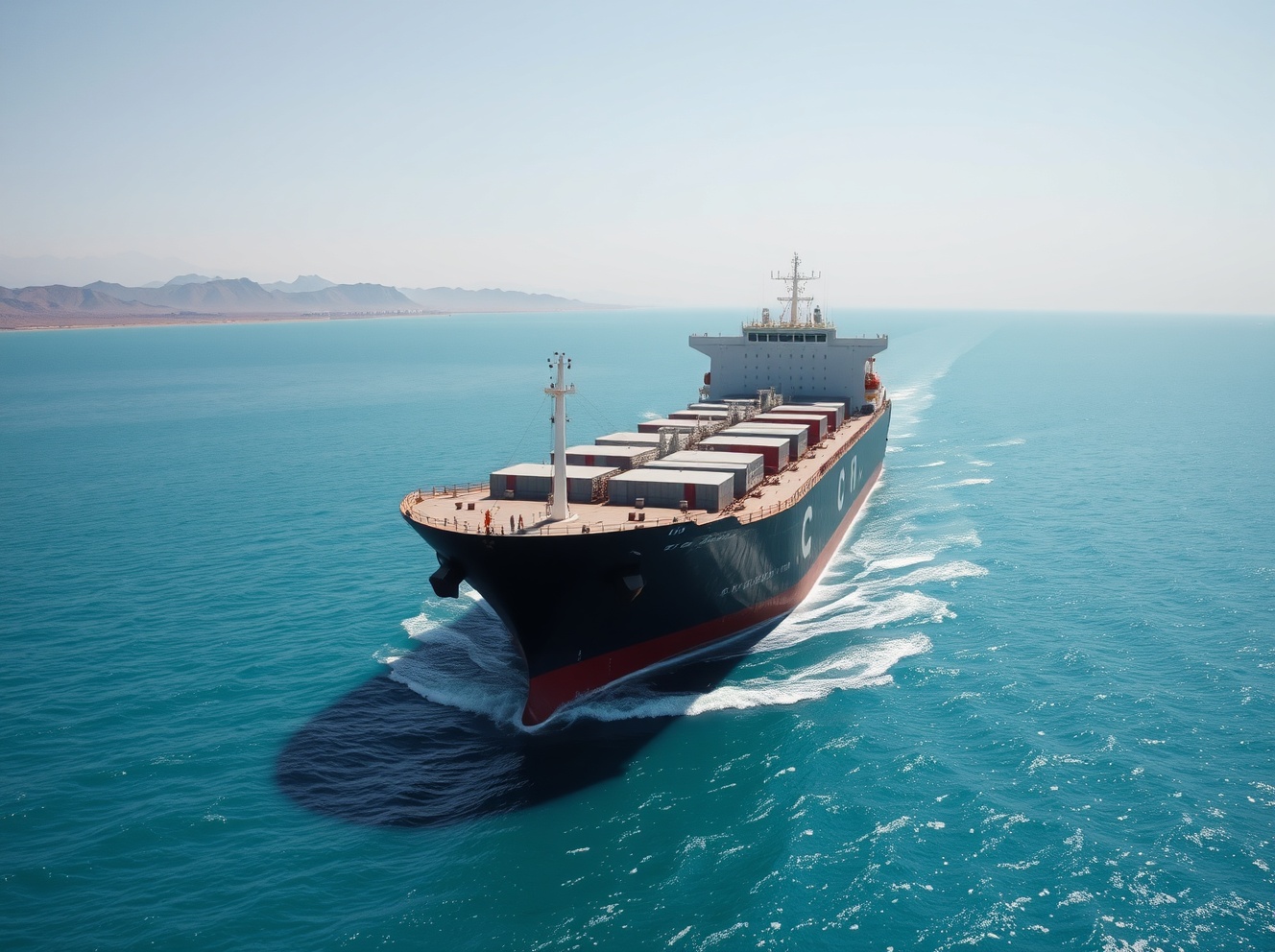
Meanwhile, energy infrastructure in Iran remains under pressure. Adding to this, the effective closure of the Strait of Hormuz lifts WTI Crude Oil prices back above the $91.00 mark, fueling inflation concerns and bolstering bets for a hawkish stance from major central banks, including the US Federal Reserve (Fed). The outlook, in turn, triggers a fresh leg up in US Treasury bond yields and further underpins the USD. This overshadows Reserve Bank of Australia (RBA) Assistant Governor Christopher Kent’s hawkish remarks and does little to offer any support to the Australian Dollar (AUD), suggesting that the path of least resistance for spot prices is to the downside.
In a speech in Sydney, Kent said that the Iran war tightens financial conditions but also increases the risks of an inflation spiral, and policymakers would need to cap inflation amid surging energy prices. Kent further added that the Board will set monetary policy to achieve low, stable inflation and full employment. Meanwhile, China’s defence ministry urged all parties to stop military actions to prevent the war from spreading and added that the country will work to de-escalate. The muted market reaction validates the negative outlook for the AUD/USD pair, suggesting that any attempted recovery could be seen as a selling opportunity and fade rather quickly.
Australian Dollar FAQs
One of the most significant factors for the Australian Dollar (AUD) is the level of interest rates set by the Reserve Bank of Australia (RBA). Because Australia is a resource-rich country another key driver is the price of its biggest export, Iron Ore. The health of the Chinese economy, its largest trading partner, is a factor, as well as inflation in Australia, its growth rate and Trade Balance. Market sentiment – whether investors are taking on more risky assets (risk-on) or seeking safe-havens (risk-off) – is also a factor, with risk-on positive for AUD.
The Reserve Bank of Australia (RBA) influences the Australian Dollar (AUD) by setting the level of interest rates that Australian banks can lend to each other. This influences the level of interest rates in the economy as a whole. The main goal of the RBA is to maintain a stable inflation rate of 2-3% by adjusting interest rates up or down. Relatively high interest rates compared to other major central banks support the AUD, and the opposite for relatively low. The RBA can also use quantitative easing and tightening to influence credit conditions, with the former AUD-negative and the latter AUD-positive.
China is Australia’s largest trading partner so the health of the Chinese economy is a major influence on the value of the Australian Dollar (AUD). When the Chinese economy is doing well it purchases more raw materials, goods and services from Australia, lifting demand for the AUD, and pushing up its value. The opposite is the case when the Chinese economy is not growing as fast as expected. Positive or negative surprises in Chinese growth data, therefore, often have a direct impact on the Australian Dollar and its pairs.
Iron Ore is Australia’s largest export, accounting for $118 billion a year according to data from 2021, with China as its primary destination. The price of Iron Ore, therefore, can be a driver of the Australian Dollar. Generally, if the price of Iron Ore rises, AUD also goes up, as aggregate demand for the currency increases. The opposite is the case if the price of Iron Ore falls. Higher Iron Ore prices also tend to result in a greater likelihood of a positive Trade Balance for Australia, which is also positive of the AUD.
The Trade Balance, which is the difference between what a country earns from its exports versus what it pays for its imports, is another factor that can influence the value of the Australian Dollar. If Australia produces highly sought after exports, then its currency will gain in value purely from the surplus demand created from foreign buyers seeking to purchase its exports versus what it spends to purchase imports. Therefore, a positive net Trade Balance strengthens the AUD, with the opposite effect if the Trade Balance is negative.
Source: https://www.fxstreet.com/news/australian-dollar-hangs-near-monthly-low-as-geopolitical-risks-and-fed-bets-underpin-usd-202603260755