

Cryptocurrency Political Donations Face UK Ban as Coinbase Slams ‘Inefficient’ Overreaction
BitcoinWorld
Cryptocurrency Political Donations Face UK Ban as Coinbase Slams ‘Inefficient’ Overreaction
LONDON, UK – In a decisive move to safeguard its electoral integrity, the United Kingdom government has implemented a comprehensive ban on political donations made using cryptocurrency, a policy that has drawn sharp criticism from major digital asset exchange Coinbase for its perceived bluntness and inefficiency.
Cryptocurrency Political Donations Banned in UK Security Push
The UK Electoral Commission formally enacted the prohibition this week, citing heightened concerns over national security and foreign interference. Consequently, political parties, candidates, and campaigners can no longer accept donations in Bitcoin, Ethereum, or any other digital asset. Officials argue that the pseudonymous and borderless nature of cryptocurrencies presents an unacceptable risk to democratic processes. Furthermore, they state the ban provides a clear, enforceable boundary for campaign finance regulators.
This regulatory action follows a global trend of increasing scrutiny on crypto in politics. For instance, the United States Federal Election Commission has permitted Bitcoin donations since 2014 but mandates immediate conversion to US dollars. Similarly, Australia requires transparent disclosure of donor identities for crypto contributions. The UK’s approach, however, represents one of the most restrictive stances adopted by a major democracy to date.
Coinbase Condemns Policy as a Missed Opportunity
Leading cryptocurrency exchange Coinbase has publicly condemned the UK’s blanket ban. Tom Duff Gordon, the company’s Vice President of International Policy, articulated the firm’s position in a statement to DL News. He characterized the move as an overreaction that targets the payment method itself rather than solving underlying issues.
“The UK’s decision to ban cryptocurrency political donations is an inefficient measure,” Gordon stated. “It restricts innovation instead of addressing the core problems of managing identity and verifying the source of funds. Modern blockchain analytics tools already offer powerful solutions for transparency.”
Gordon’s critique centers on the argument that blockchain technology, by its nature, creates a permanent and public ledger. Therefore, with proper regulatory frameworks and know-your-customer (KYC) protocols, crypto transactions could potentially offer greater traceability than some traditional cash-based donations. The industry perspective suggests a risk-based, technology-neutral approach would be more effective.
Expert Analysis on Security and Innovation
Financial compliance experts are divided on the issue. Dr. Eleanor Vance, a professor of political finance at the London School of Economics, supports the government’s caution. “The speed and cross-border fluidity of crypto assets pose a significant challenge for real-time enforcement during heated election periods,” she explains. “Until robust, real-time verification systems are universally adopted, a precautionary ban is a defensible interim position.”
Conversely, technology policy analysts argue the ban may stifle innovation. “This is a classic case of regulating the technology, not the misuse,” notes Marcus Chen, a fellow at the Digital Governance Initiative. “It overlooks the potential for regulated crypto payment rails to enhance audit trails. The focus should be on mandating identity-linked wallets for political giving, not prohibiting an entire asset class.”
The table below summarizes key international approaches to cryptocurrency in political finance:
| Country | Policy Stance | Key Requirement |
|---|---|---|
| United Kingdom | Full Ban | No crypto donations permitted to political entities. |
| United States | Permitted with Restrictions | Donations allowed but must be converted to fiat; donor identity must be verified. |
| Australia | Permitted with Disclosure | Allowed, but treated as anonymous if over a threshold without verified identity. |
| El Salvador | Unrestricted | No specific laws banning crypto political donations. |
The Broader Impact on Crypto and Political Engagement
This policy conflict occurs at a critical juncture for cryptocurrency adoption. Governments worldwide are grappling with how to integrate digital assets into existing financial and legal systems. The UK’s decision signals a prioritization of perceived security risks over the potential for crypto to modernize donation systems. This stance could influence other nations considering similar regulations.
For the crypto industry, the ban represents a setback in its efforts to achieve mainstream legitimacy as a tool for civic participation. Industry advocates often promote blockchain’s potential to reduce payment friction and engage younger, tech-savvy demographics in political fundraising. The UK’s action directly contradicts this narrative, framing crypto primarily as a vector for risk rather than innovation.
Key implications of the ban include:
- Reduced Fundraising Avenues: Political parties lose a potential channel for attracting new, digital-native donors.
- Regulatory Fragmentation: Creates a patchwork of rules for global crypto platforms operating across multiple jurisdictions.
- Innovation Chill: May discourage development of compliant, identity-verified crypto donation platforms tailored for politics.
- Debate Focus: Shifts conversation from “how to regulate effectively” to “whether to permit at all.”
Historical Context and Future Pathways
The debate over money in politics is centuries old, with each new technology—from checks to credit cards to online payments—sparking similar concerns about anonymity and control. Cryptocurrency is merely the latest innovation in this long sequence. Historical precedent suggests that outright bans often give way to regulated integration as technology and oversight mechanisms mature.
Looking ahead, the path may involve hybrid solutions. Potential future models could include licensed crypto payment processors specializing in political donations, mandatory use of privacy-limiting “travel rule” protocols for all political transfers, or time-delayed disclosure mechanisms built into smart contracts. The UK’s current ban, while absolute, will likely face ongoing pressure for revision as digital asset infrastructure evolves.
Conclusion
The UK’s prohibition on cryptocurrency political donations highlights the fundamental tension between innovation and security in the digital age. While the government prioritizes safeguarding democracy from opaque financial influence, critics like Coinbase argue the policy is a blunt instrument that fails to harness technology for greater transparency. This clash will undoubtedly shape the future of political finance regulation as digital assets continue to permeate the global economy. The resolution will depend on whether regulators can develop frameworks that mitigate risks without foregoing the potential benefits of blockchain-based systems.
FAQs
Q1: What exactly did the UK government ban?
The UK Electoral Commission has banned all registered political parties, candidates, and campaigners from accepting any form of cryptocurrency as a donation. This includes Bitcoin, Ethereum, and all other digital assets.
Q2: Why does Coinbase oppose the ban?
Coinbase argues the ban is an overreaction that inefficiently targets the technology itself. The company’s leadership believes the core issues are verifying donor identity and fund sources, problems they assert can be addressed with existing blockchain analytics and KYC frameworks without a full prohibition.
Q3: What was the UK government’s stated reason for the ban?
Officials cited national security concerns and the need to prevent foreign interference in UK democracy. They expressed concern that the pseudonymous and cross-border nature of cryptocurrencies could facilitate illicit influence in elections.
Q4: Are cryptocurrency political donations allowed in other countries?
Policies vary globally. The United States permits them with strict identity verification and immediate conversion to dollars. Australia allows them but treats large donations as anonymous if the donor’s identity is not verified. The UK’s approach is among the most restrictive.
Q5: Could this ban change in the future?
Yes, regulatory approaches often evolve with technology. As digital asset tracking and identity verification tools become more sophisticated, pressure may grow to replace the blanket ban with a risk-based, regulated model that permits crypto donations under strict conditions.
This post Cryptocurrency Political Donations Face UK Ban as Coinbase Slams ‘Inefficient’ Overreaction first appeared on BitcoinWorld.


You May Also Like
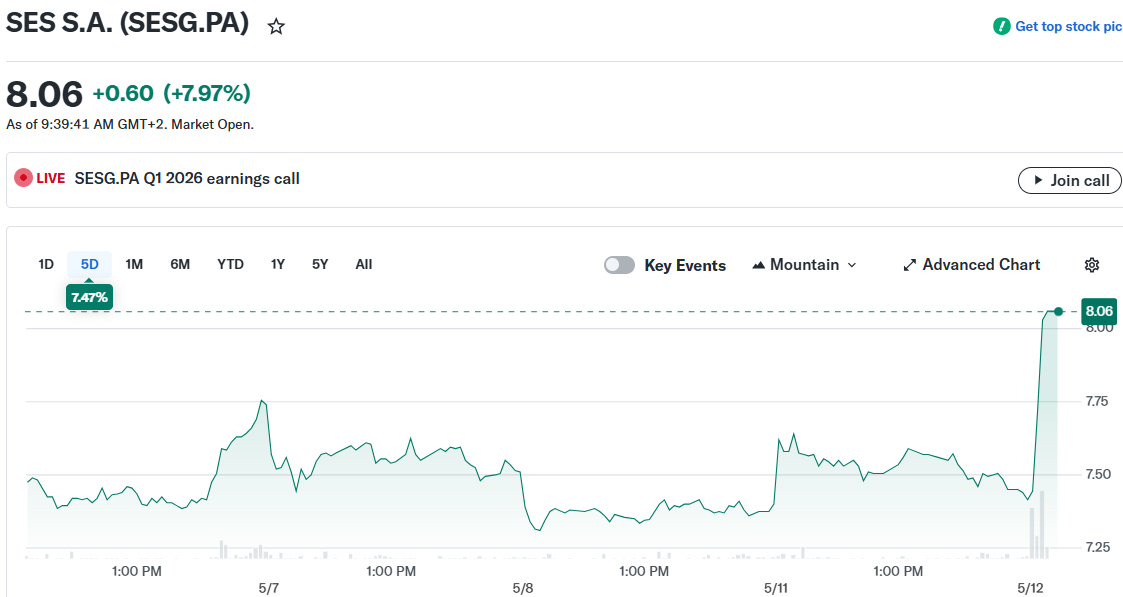
SES Reports 80% Revenue Jump as Aviation Connectivity and Intelsat Merger Drive Q1 Growth

Shai Gilgeous-Alexander, Thunder still perfect in playoffs after sweep of Lakers




