Australian Dollar Plummets: Stark Two-Month Low Triggered by US-Iran Peace Uncertainty
BitcoinWorld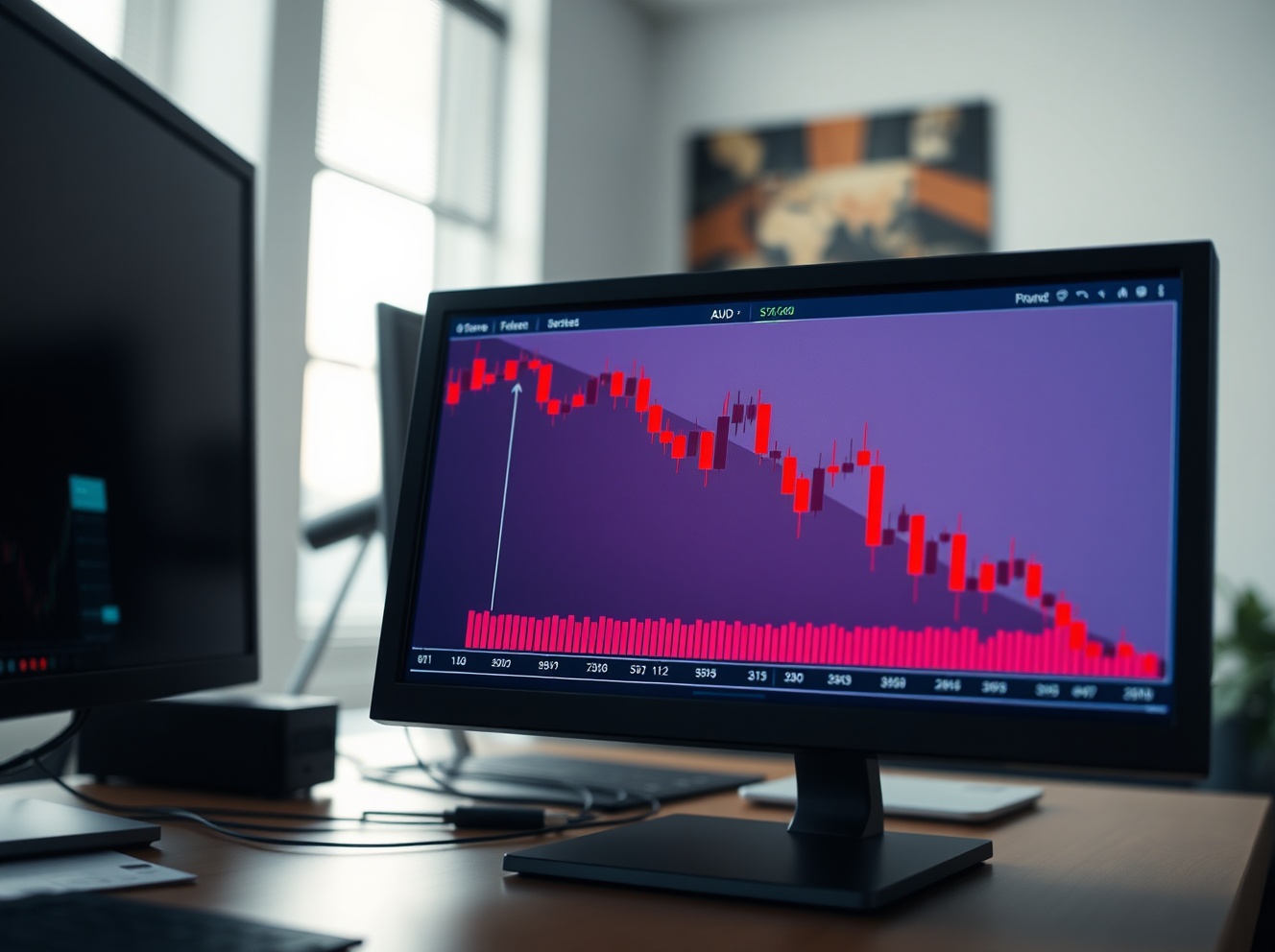
Australian Dollar Plummets: Stark Two-Month Low Triggered by US-Iran Peace Uncertainty
SYDNEY, Australia – The Australian Dollar (AUD) has tumbled to its weakest level in two months, a stark decline directly attributed to renewed uncertainty surrounding potential peace negotiations between the United States and Iran. Consequently, this geopolitical friction is triggering significant volatility across global foreign exchange markets. Market analysts now point to the AUD/USD pair as a key barometer for global risk sentiment.
Australian Dollar Plunges on Geopolitical Headwinds
Forex traders witnessed a sharp sell-off of the Australian currency during the latest Asian trading session. The AUD/USD pair breached critical technical support levels, ultimately falling to lows not seen since early February. This move represents a dramatic reversal from recent stability. Furthermore, the decline outpaced losses seen in other risk-sensitive assets, highlighting the Australian Dollar’s specific vulnerability.
Several interconnected factors are driving this sell-off. Primarily, the Australian economy remains highly leveraged to global trade flows and commodity prices. Therefore, any threat to international stability directly impacts investor confidence in the currency. The sudden doubts over US-Iran diplomacy have acted as the immediate catalyst for this risk-averse shift.
US-Iran Diplomacy: A Timeline of Rising Uncertainty
The recent volatility stems from conflicting signals from Washington and Tehran. Earlier optimism for a diplomatic breakthrough has now evaporated. For instance, statements from Iranian officials hardened over the weekend, contradicting earlier, more conciliatory remarks from US envoys. This diplomatic dissonance has reintroduced a significant risk premium into oil markets and, by extension, currency markets.
Historically, tensions in the Middle East create a ‘flight to safety’ in capital markets. Investors typically move funds into perceived safe-haven assets like the US Dollar (USD), Japanese Yen (JPY), and Swiss Franc (CHF). Conversely, they sell off currencies tied to growth and resources, such as the Australian Dollar. The current situation perfectly mirrors this historical pattern.
Expert Analysis on Market Mechanics
Senior currency strategists at major financial institutions have provided clear analysis. “The AUD is acting as a proxy for global risk appetite,” explained one analyst from a leading Sydney-based bank. “When geopolitical fissures appear, especially ones that threaten oil supply chains, commodity currencies are the first to be repriced. The market is pricing in the potential for disrupted trade and higher energy costs, which would dampen global growth.”
This expert view is supported by observable data. The following table illustrates the correlated movement between key assets on the news:
| Asset | Reaction | Primary Driver |
|---|---|---|
| AUD/USD | Sharp Decline (-1.8%) | Risk-Off Sentiment |
| Brent Crude Oil | Volatile, Spiked +3.5% | Supply Disruption Fears |
| US Dollar Index (DXY) | Moderate Gain (+0.6%) | Safe-Haven Demand |
| ASX 200 Index | Notable Sell-Off | Domestic Currency & Export Worries |
Broader Impacts on the Australian Economy
The currency’s depreciation carries immediate and longer-term implications. In the short term, a weaker Australian Dollar provides a mixed bag for the domestic economy.
- Exporters Benefit: Australian mining, agricultural, and education service exporters become more competitive internationally, as their goods and services are cheaper for foreign buyers.
- Import Costs Rise: Conversely, consumers and businesses face higher prices for imported goods, from electronics to machinery, potentially fueling inflationary pressures.
- Tourism Boost: Australia becomes a more affordable destination for international tourists, aiding the hospitality sector.
However, the Reserve Bank of Australia (RBA) must now carefully monitor these competing forces. Persistent AUD weakness could complicate their inflation management strategy. Moreover, if the geopolitical situation deteriorates further, the resulting global economic slowdown would outweigh any short-term export advantages.
Technical Chart Analysis and Trader Sentiment
From a technical perspective, the breach of the two-month support level is a significant bearish signal. Chartists note that the AUD/USD pair has now entered a zone that, if sustained, could open the path for further declines toward longer-term supports. Trading volumes during the sell-off were notably high, confirming the strength of the downward move.
Market sentiment, as measured by futures positioning and risk reversals, has turned decisively negative on the Aussie in the near term. Many institutional traders have moved to hedge their exposure to commodity-linked currencies. This collective action creates a self-reinforcing cycle of selling pressure, at least until a new geopolitical or economic catalyst emerges.
Conclusion
The Australian Dollar’s fall to a two-month low serves as a powerful reminder of the currency’s sensitivity to global geopolitical shifts. The immediate cause—uncertainty around US-Iran peace efforts—has triggered a classic risk-off response in financial markets. While a weaker AUD offers some domestic economic benefits, the primary driver remains a concerning signal about global stability. Market participants will now watch diplomatic channels closely, as the future trajectory of the Australian Dollar hinges on the resolution, or escalation, of these international tensions.
FAQs
Q1: Why does the Australian Dollar fall when there is geopolitical trouble?
The Australian Dollar is considered a ‘risk-on’ or commodity currency. Its value is closely tied to global economic growth and trade. Geopolitical instability threatens growth and trade flows, causing investors to sell riskier assets like the AUD and buy safe-haven currencies like the US Dollar.
Q2: How does US-Iran tension specifically affect the AUD?
Iran is a major oil producer. Tensions threaten oil supply, which can raise global energy prices and stunt economic growth. This hurts demand for the commodities Australia exports (like iron ore and coal), reducing demand for the AUD needed to purchase those exports.
Q3: Who benefits from a weaker Australian Dollar?
Australian exporters benefit because their goods become cheaper for international buyers. The tourism and education sectors also benefit, as services become more affordable for foreign visitors and students.
Q4: Could this drop lead to higher inflation in Australia?
Potentially, yes. A weaker AUD makes imported goods more expensive. This includes consumer goods, electronics, and fuel. If these price increases are sustained and passed on to consumers, it could contribute to higher inflation.
Q5: What should I watch to see if the AUD will recover?
Monitor key indicators: 1) News on US-Iran diplomacy, 2) The price of key Australian exports like iron ore, 3) Broader global stock market sentiment, and 4) Statements from the Reserve Bank of Australia regarding the currency’s impact on the economy.
This post Australian Dollar Plummets: Stark Two-Month Low Triggered by US-Iran Peace Uncertainty first appeared on BitcoinWorld.


You May Also Like

Bitcoin, Gold, and U.S. Stocks Dive as Trump Pledges to Hit Iran ‘Extremely Hard’

One Kash Patel comment 'made the hair on the back of my neck stand up': ex-FBI deputy