Oman inflation soared ahead of Iran war
Oman’s average inflation rate came to 1.7 percent year on year in the first two months of 2026, official data shows.
Inflation rose to 1.4 percent in January after averaging below 1 percent last year. The US-Israeli war with Iran that began on February 28 has led to soaring oil and gas prices, with Brent crude trading near $115 per barrel following the near blockage of the Strait of Hormuz.
Inflation came to 2 percent in February after food and vegetable prices jumped more than 8 percent, the state-run Oman News Agency reported, quoting the National Centre for Statistics and Information.
Prices of miscellaneous goods and services, which include personal care products, jewellery and vehicle insurance, surged over 13 percent, followed by restaurants and hotels at nearly 6 percent last month.
Food and non-alcoholic beverages rose almost 3 percent, while education increased 2 percent.
Fruit prices rose more than 5 percent, while sugar products added 3 percent.
The Al Dhahirah region in western Oman recorded the highest inflation at 3 percent, followed by Muscat at 2.5 percent.
According to the transport ministry, the sultanate is emerging as a leading alternative for redirected freight in the Arabian Gulf after Iran disrupted shipping by effectively closing the strait.
The number of ships calling at Sohar port, 200km north of Muscat, since the war broke out has risen about 40 percent. Cargo-handling capacity has gained 55 percent, the ministry said.
Further reading:
- Oman says latest attacks not affecting investment projects
- Oman sets up food depots to try to circumvent Iran war
- Saudi ports struggle with imports redirected from Strait of Hormuz


You May Also Like
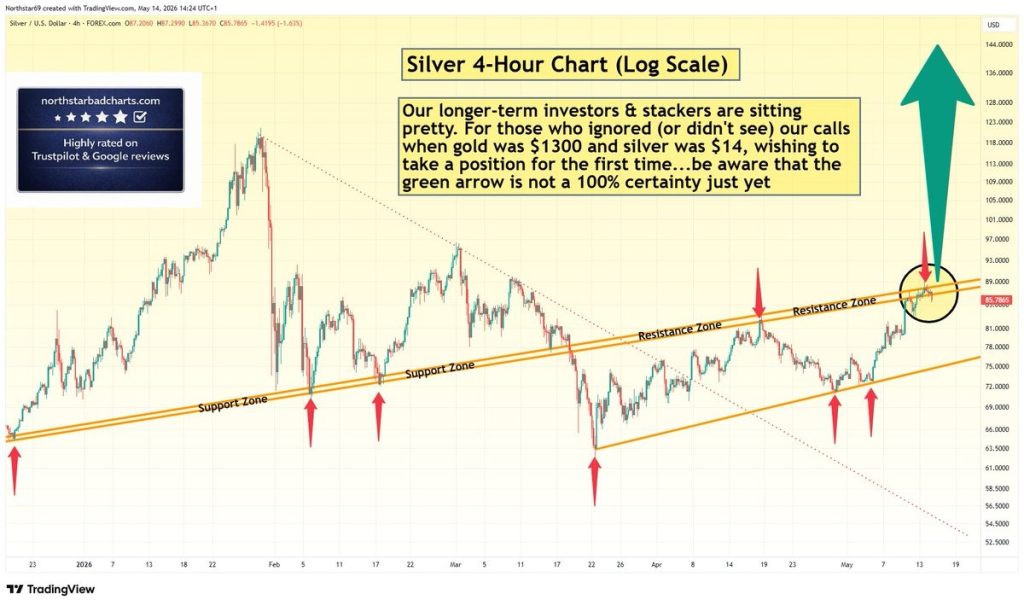
Silver Price Warning: Green Arrow Setup Is Not Confirmed – Wait for Clear Signal

Facebook spotlights African cinema in 6th ‘Made by Africa, loved by the world’ campaign