

How Fintech Is Reshaping Merger and Acquisition Advisory Firms
The merger and acquisition (M&A) landscape has traditionally been driven by financial expertise, industry knowledge, and relationship-building. However, the rise of financial technology (fintech) is transforming how advisory firms operate, analyze deals, and deliver value to clients. From data-driven insights to automated processes, fintech is redefining the role of M&A advisory firms in today’s fast-paced business environment.
The Shift Toward Data-Driven Decision Making
One of the most significant impacts of fintech on M&A advisory firms is the ability to leverage real-time data. Advanced analytics platforms enable advisors to evaluate market trends, assess company performance, and identify potential risks with greater accuracy.
Instead of relying solely on historical data and manual analysis, firms can now use predictive tools to anticipate outcomes and make more informed decisions. This shift allows advisors to provide clients with deeper insights and more strategic recommendations.
Streamlining Due Diligence
Due diligence is a critical phase in any M&A transaction, often involving extensive financial, legal, and operational reviews. Fintech solutions are streamlining this process by automating data collection, document analysis, and risk assessment. Digital platforms can quickly scan large volumes of information, flag inconsistencies, and highlight key areas of concern. This not only reduces the time required for due diligence but also improves accuracy, minimizing the likelihood of costly oversights.
Enhancing Deal Sourcing and Matching
Fintech is also improving how M&A advisory firms identify and match potential buyers and sellers. Sophisticated algorithms can analyze market data, industry trends, and company profiles to identify opportunities that align with a client’s strategic goals. This technology-driven approach expands the pool of potential deals and increases the likelihood of finding the right fit. Advisory firms can now move beyond traditional networks and explore opportunities on a global scale.
Sun Acquisitions demonstrates how combining advisory expertise with modern tools can enhance deal sourcing and execution. By integrating technology into their processes, they can provide clients with more efficient and targeted solutions.
Improving Communication and Collaboration
Effective communication is essential in M&A transactions, which often involve multiple stakeholders across different locations. Gerrid Smith, Founder & CEO of Fortress Growth, says, “Fintech platforms enable seamless collaboration through secure communication channels, shared dashboards, and real-time updates. Clients can track the progress of their transactions, access relevant documents, and stay informed at every stage of the process. This level of transparency builds trust and improves the overall client experience.”
Automating Repetitive Tasks
Automation is another key benefit of fintech in M&A advisory. Tasks such as financial modeling, reporting, and document preparation can now be automated, freeing up time for advisors to focus on strategic planning and client engagement.
By reducing manual work, advisory firms can operate more efficiently and handle a higher volume of transactions without compromising quality.
Leveraging Artificial Intelligence for Insights
“Artificial intelligence is playing an increasingly important role in M&A advisory. AI-powered tools can analyze vast amounts of data to identify patterns, assess risks, and generate insights that support decision-making,” adds Timothy Allen, Director at Corporate Investigation Consulting. These tools enable advisors to uncover opportunities and challenges that might not be immediately apparent through traditional methods. As a result, clients benefit from more comprehensive and forward-looking advice.
Strengthening Risk Management
Fintech solutions are also enhancing risk management in M&A transactions. By providing real-time monitoring and advanced analytics, these tools help advisory firms identify potential risks early and take proactive measures to address them. This improved risk management capability is particularly valuable in complex deals where multiple factors can influence outcomes.
The Future of M&A Advisory
As fintech continues to evolve, its impact on M&A advisory firms will only grow. Emerging technologies such as blockchain, advanced analytics, and cloud-based platforms are expected to further how transactions are conducted. Advisory firms that embrace these innovations will be better positioned to deliver value, adapt to changing market conditions, and stay competitive in an increasingly digital landscape.
A New Era of Advisory Services
Fintech is not replacing the expertise of M&A advisors—it is enhancing it. By combining technology with strategic insight, advisory firms can offer more efficient, accurate, and client-focused services. In this new era, success in M&A is no longer just about experience and relationships. It’s about using the right tools, embracing innovation, and delivering results more efficiently and connected.


You May Also Like

Malta Defiantly Resists Centralized Oversight Plan
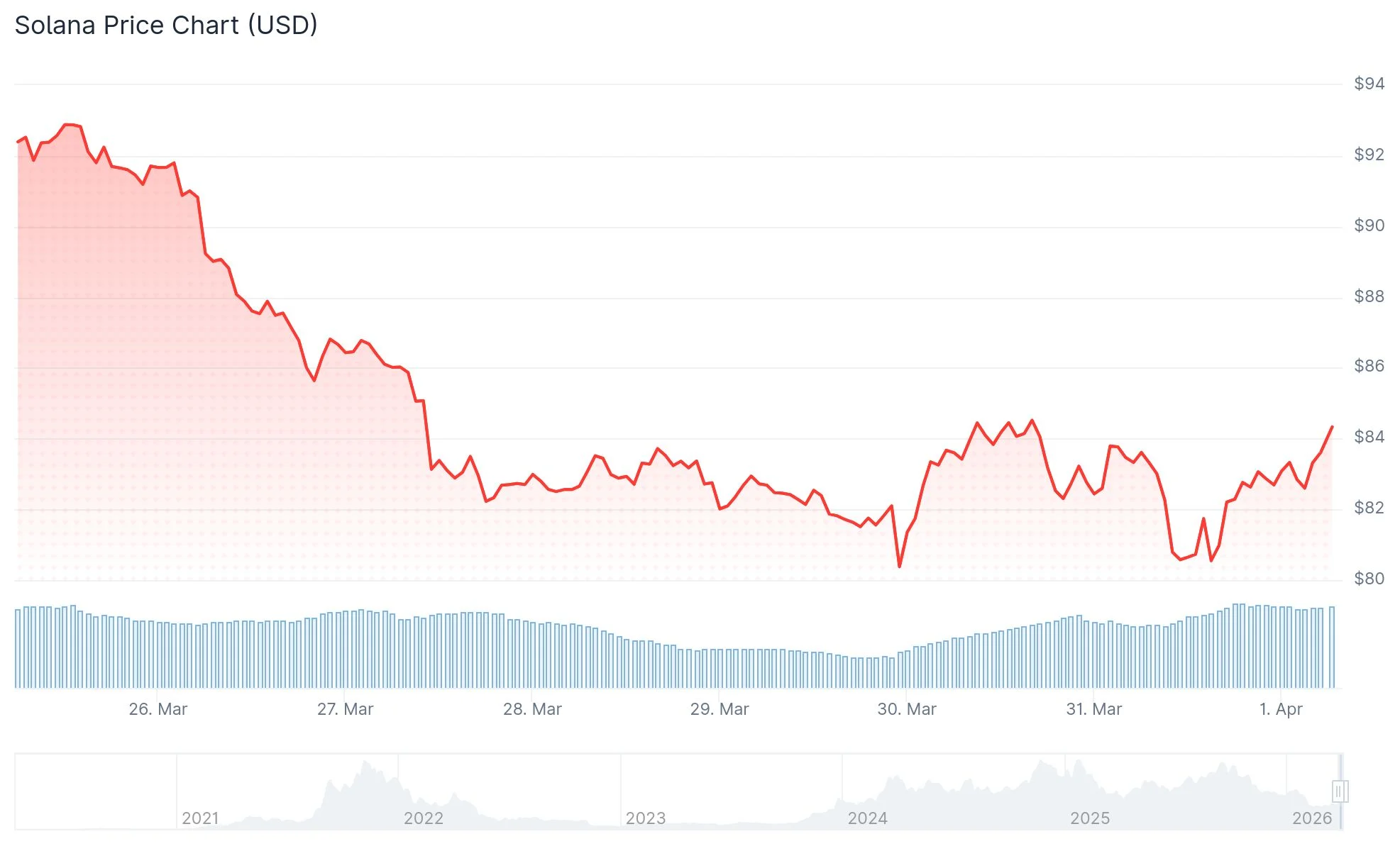
Solana (SOL) Price Analysis: On-Chain Metrics Signal Network Challenges



