

Silver Price Stabilizes as Hopeful Iran De-Escalation Calms Safe-Haven Frenzy
BitcoinWorld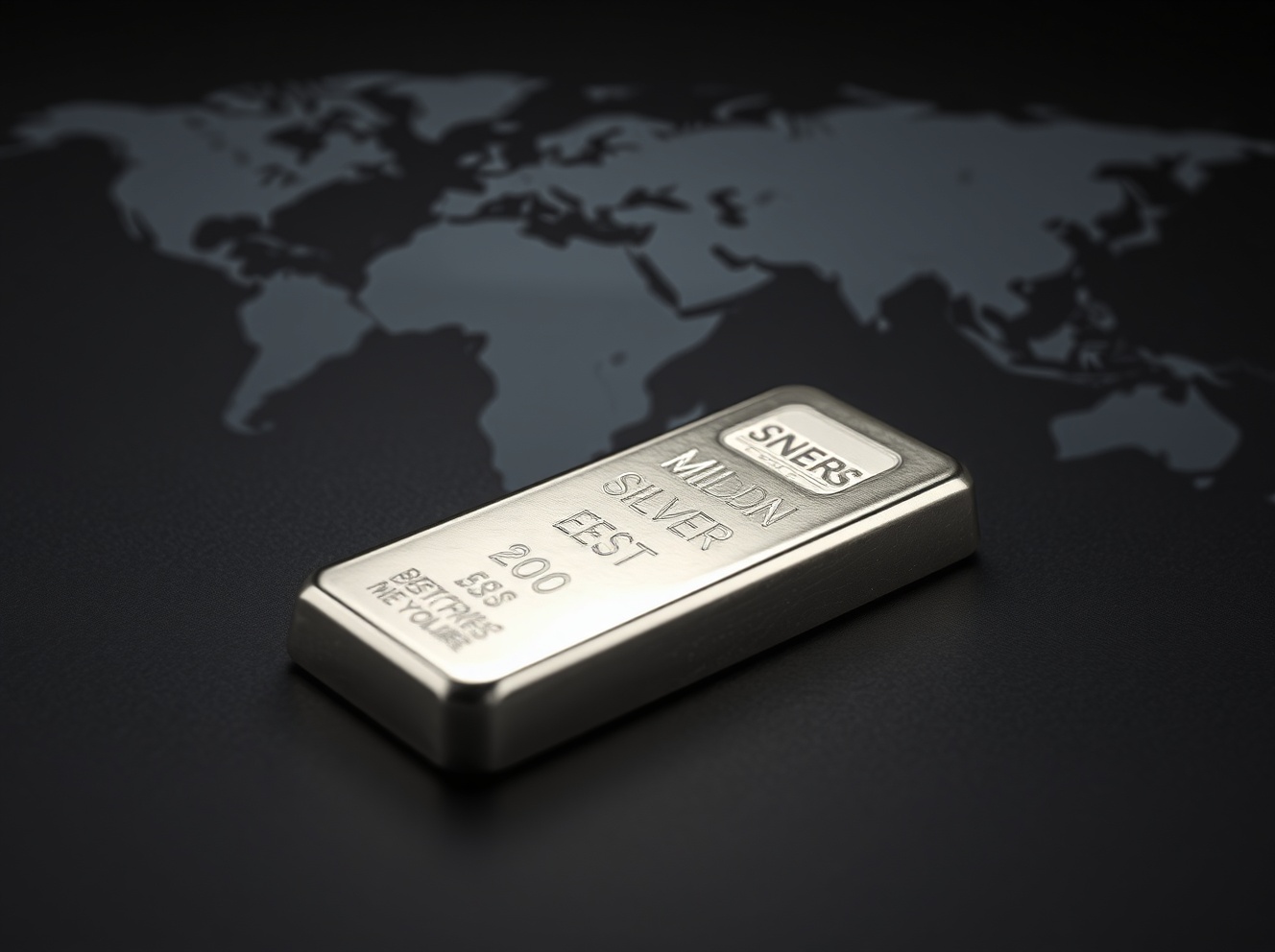
Silver Price Stabilizes as Hopeful Iran De-Escalation Calms Safe-Haven Frenzy
Global silver markets exhibited notable stabilization this week, as renewed diplomatic dialogue between Iran and Western powers tempered the frantic safe-haven buying that characterized previous trading sessions. Analysts observed a distinct cooling in the precious metal’s volatility, directly correlating with reports from Geneva and Vienna suggesting a potential de-escalation in long-standing regional tensions. Consequently, the spot price for silver consolidated within a narrow band, signaling a cautious recalibration of risk appetite among institutional investors and hedge funds. This price action underscores the profound sensitivity of commodity markets to geopolitical developments, particularly those involving major resource-rich nations.
Silver Price Finds Footing After Geopolitical Shock
The recent price trajectory for silver provides a textbook case of market reaction to geopolitical risk. Initially, silver experienced a sharp, parabolic rally as investors sought traditional shelters from uncertainty. This surge reflected a classic flight-to-safety response. However, the momentum abruptly plateaued following concerted diplomatic statements from key international bodies. Market participants then began pricing in a reduced probability of supply chain disruptions or broader conflict. Furthermore, the stabilization was bolstered by concurrent movements in related assets like the U.S. dollar and Treasury yields, which also normalized. This intermarket dynamic confirms silver’s dual role as both a monetary and industrial asset.
Several key factors contributed to this calming effect:
- Diplomatic Overtures: Verifiable communications from involved parties outlined a framework for renewed negotiations.
- Inventory Weekly reports from major exchanges like the COMEX showed a moderation in frantic physical buying.
- Macroeconomic Backdrop: Concurrent stable inflation data from major economies reduced ancillary pressure on metals.
Understanding Safe-Haven Flows in Precious Metals
Safe-haven assets, including gold, silver, and certain currencies, typically appreciate during periods of global uncertainty. Investors allocate capital to these assets to preserve value when equities, bonds, or currencies appear risky. Silver, however, occupies a unique niche. Unlike gold, which is primarily a monetary metal, silver has significant industrial applications in photovoltaics, electronics, and automotive manufacturing. Therefore, its price reflects a tension between investment demand and industrial consumption. During the initial phase of the crisis, the investment demand overwhelmingly dominated the narrative, decoupling silver temporarily from its industrial fundamentals.
Expert Analysis on Market Psychology
Dr. Anya Sharma, Lead Commodities Strategist at Global Markets Insight, provided context on the shift. “The market’s reaction is a study in real-time risk reassessment,” she stated, referencing her team’s flow analysis. “The initial spike in silver was driven by algorithmic trading and retail sentiment, amplifying the move. The stabilization we see now is institutional money acknowledging the changing geopolitical calculus. It’s not that the risk has vanished, but the market has incorporated a new, marginally more positive baseline.” This expert perspective highlights the layered nature of modern markets, where different investor cohorts react on varying timelines to the same information set.
The Role of Iran in Global Commodity Markets
Iran’s position as a significant regional power and its history of tensions with Western nations gives it an outsized influence on commodity sentiment, particularly for oil and precious metals. While Iran is not a top-tier silver producer, geopolitical instability in the Middle East can trigger broad risk-off sentiment that benefits all safe-haven assets. Additionally, concerns about potential disruptions to key shipping lanes like the Strait of Hormuz can affect global trade costs, indirectly impacting industrial metal demand. The recent de-escalation hopes have therefore alleviated a layer of premium baked into commodity prices across the board.
A brief timeline of recent market-moving events includes:
- Early April 2025: Heightened rhetoric leads to a spike in crude oil and precious metals.
- Mid-April 2025: Silver reaches a multi-month high as volumes surge.
- Late April 2025: Diplomatic channels re-open, confirmed by multilateral statements.
- Present: Silver enters a consolidation phase, with volatility indices declining.
Comparative Performance with Other Assets
The stabilization in silver was not an isolated event. A comparative analysis reveals a synchronized shift across asset classes. Gold, the primary safe-haven, also pared its gains but to a lesser extent, reflecting its purer monetary role. Meanwhile, industrial metals like copper showed resilience. The U.S. Dollar Index (DXY) retreated from its highs, easing pressure on dollar-denominated commodities. This coordinated movement is critical evidence that the market narrative has genuinely shifted from panic to watchful waiting. The table below illustrates the percentage change in key assets during the crisis peak versus the stabilization phase.
| Asset | Peak Crisis Gain | Stabilization Phase Change |
|---|---|---|
| Silver (Spot) | +14.2% | -2.1% (Consolidation) |
| Gold (Spot) | +8.7% | -0.8% |
| WTI Crude Oil | +12.5% | -4.3% |
| U.S. Dollar Index | +3.1% | -1.5% |
Conclusion
The recent stabilization in the silver price serves as a powerful reminder of the intricate link between geopolitics and financial markets. While the metal’s role as a safe-haven asset propelled it higher during initial tensions, the prospect of Iranian de-escalation has effectively tempered those flows, allowing price to consolidate. This episode underscores the importance of monitoring diplomatic developments alongside traditional economic indicators when analyzing precious metals. Moving forward, the silver market will likely remain sensitive to headlines, but its path will increasingly re-couple with underlying industrial demand and global macroeconomic trends. The cautious equilibrium achieved this week demonstrates the market’s continuous process of digesting complex, real-world information.
FAQs
Q1: Why is silver considered a safe-haven asset?
Silver is considered a safe-haven due to its historical role as a store of value, its tangible nature, and its negative correlation with riskier assets like stocks during crises. However, its status is nuanced due to significant industrial demand.
Q2: How does geopolitical tension in Iran affect silver prices?
While Iran isn’t a major silver producer, geopolitical instability in the region triggers global risk-off sentiment. This prompts investors to buy perceived safe assets like silver, driving prices up independent of supply fundamentals.
Q3: What does ‘de-escalation hopes’ mean for markets?
It refers to market expectations that a political or military conflict will reduce in severity, often due to diplomatic talks. This leads investors to reduce their safe-haven holdings and re-allocate to growth-oriented assets, causing prices for metals like silver to stabilize or fall.
Q4: What other factors influence silver prices besides geopolitics?
Key factors include U.S. dollar strength, real interest rates, industrial demand (especially from green technology sectors), mining supply, and investment demand through vehicles like ETFs.
Q5: Has the long-term outlook for silver changed due to this event?
Short-term volatility rarely alters long-term structural trends. The long-term outlook for silver remains tied to the global energy transition (boosting industrial demand) and monetary policy. Geopolitical events typically create temporary premiums or discounts around this core trend.
This post Silver Price Stabilizes as Hopeful Iran De-Escalation Calms Safe-Haven Frenzy first appeared on BitcoinWorld.


You May Also Like

StrictlyVC San Francisco Unveils Electrifying Speaker Lineup with TDK Ventures and Replit Leaders
Next Crypto to $1: APEMARS 100X Presale Gains as Hedera and Tron Face Volatility



