Iran Ceasefire Denial: Senior Source Rejects Negotiation Claims Amid Regional Tensions
BitcoinWorld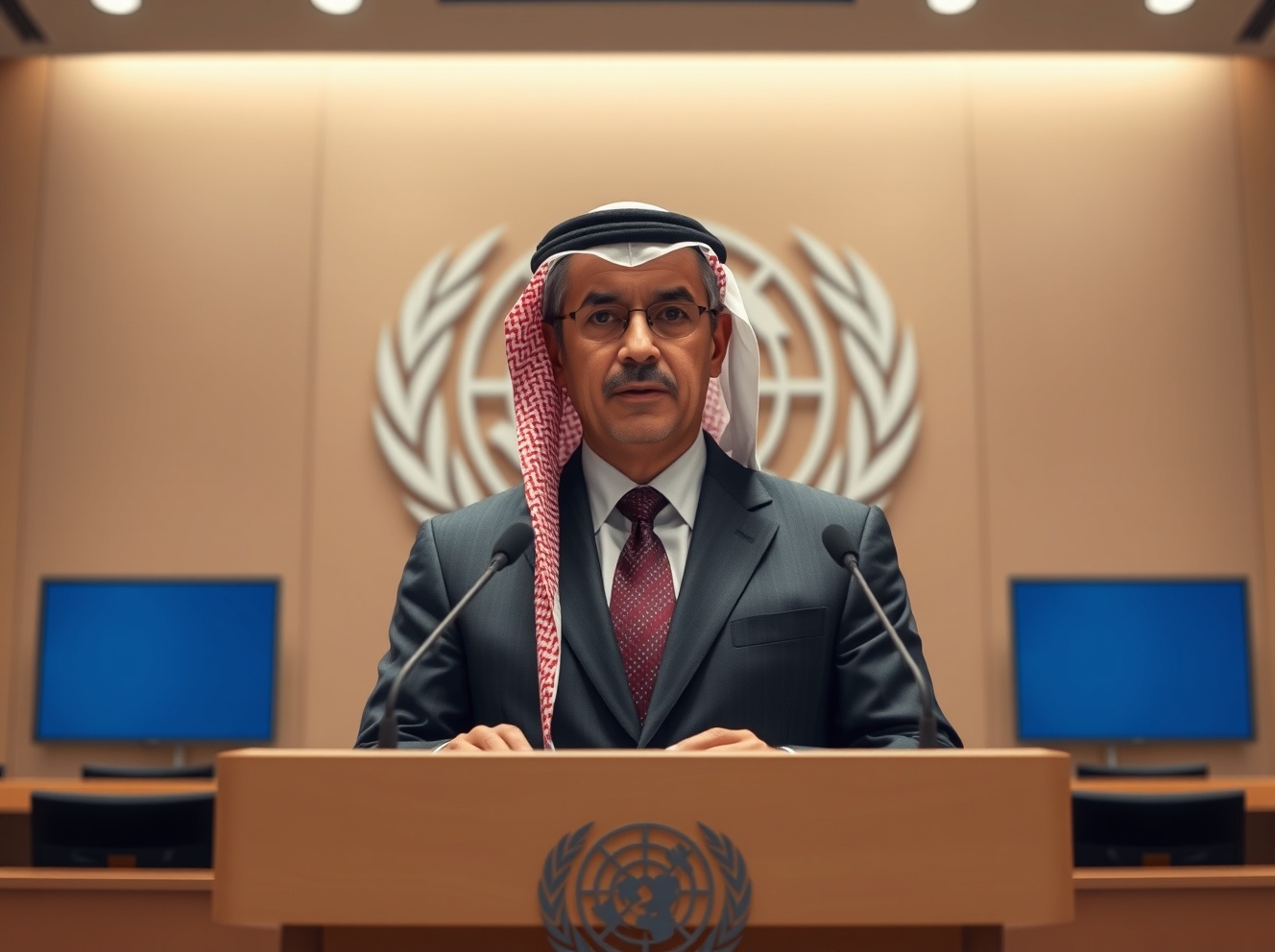
Iran Ceasefire Denial: Senior Source Rejects Negotiation Claims Amid Regional Tensions
TEHRAN, Iran – March 15, 2025 – A senior Iranian source has categorically denied that Iran has engaged in any temporary ceasefire negotiations through intermediaries, directly contradicting recent regional diplomatic speculation. This definitive statement comes amid heightened tensions across the Middle East and represents a significant clarification of Iran’s current diplomatic posture. The denial carries substantial implications for regional stability and international relations, particularly affecting ongoing conflict dynamics in neighboring regions.
Iran Ceasefire Denial: Official Statement and Context
The senior Iranian source, speaking on condition of anonymity due to diplomatic sensitivity, explicitly stated that Iran has not conducted any negotiations for a temporary ceasefire through any intermediary channels. This declaration follows weeks of international speculation about potential backchannel diplomacy. Regional analysts immediately noted the statement’s timing coincides with increased military activities along several Middle Eastern borders. Furthermore, the denial appears strategically positioned before upcoming multilateral talks scheduled at the United Nations.
Historically, Iran has maintained complex diplomatic relationships with regional powers and global mediators. The country’s foreign policy traditionally emphasizes direct bilateral engagement over third-party mediation. This latest statement reinforces that established diplomatic approach. International observers have documented Iran’s consistent preference for transparent negotiation frameworks rather than clandestine intermediary channels.
Regional Diplomatic Landscape Analysis
The Middle East currently experiences multiple overlapping conflicts and diplomatic initiatives. Several nations have attempted mediation roles between conflicting parties in recent months. However, Iran’s clear denial of ceasefire negotiations through intermediaries suggests a deliberate diplomatic strategy. Regional experts point to Iran’s historical skepticism toward third-party mediation in sensitive security matters. This position reflects broader concerns about sovereignty and negotiation transparency.
Key regional players have expressed varying reactions to Iran’s statement. Some neighboring countries view the denial as a positive development toward clearer diplomatic communication. Others interpret it as a hardening of positions ahead of potential confrontations. The statement’s publication timing suggests careful diplomatic calculation rather than spontaneous commentary. International relations scholars note that such definitive denials typically precede significant policy announcements or diplomatic maneuvers.
Expert Analysis of Diplomatic Implications
Dr. Leila Hassan, Middle East Studies Professor at Georgetown University, explains the broader context. “Iran’s denial of intermediary negotiations reflects their strategic preference for controlled diplomatic channels,” she states. “This approach allows Tehran to maintain messaging discipline and avoid unintended escalation through misinterpreted signals.” Hassan further notes that Iran historically favors direct communication during sensitive negotiations, particularly regarding security matters.
Regional conflict resolution experts emphasize several critical factors influencing Iran’s position:
- Historical precedent: Iran’s experience with previous mediation attempts
- Sovereignty concerns: Preference for bilateral over multilateral frameworks
- Strategic timing: Coordination with domestic and regional political calendars
- Communication clarity: Avoiding mixed signals during tense periods
Military and Security Context
Current military deployments and security arrangements across the Middle East create a complex backdrop for diplomatic statements. Iran maintains significant military capabilities and regional alliances that influence its negotiation posture. The denial of ceasefire negotiations through intermediaries occurs alongside visible military exercises and strategic positioning. Security analysts monitor these developments for patterns indicating broader strategic intentions.
International monitoring organizations report increased military activities in several conflict zones where Iran maintains strategic interests. These developments inevitably shape diplomatic communications and negotiation postures. The senior source’s statement likely considers these security realities while addressing diplomatic perceptions. Military experts note that ceasefire negotiations typically involve complex verification mechanisms that require transparent communication channels.
Comparative Analysis of Regional Negotiation Approaches
| Country | Preferred Negotiation Method | Use of Intermediaries | Recent Examples |
|---|---|---|---|
| Iran | Direct bilateral engagement | Limited, case-specific | Nuclear negotiations 2023 |
| Saudi Arabia | Multilateral frameworks | Frequent, through allies | Yemen peace talks 2024 |
| Turkey | Mixed approach | Regular diplomatic channels | Syrian conflict mediation |
| United Arab Emirates | Economic diplomacy first | Growing intermediary role | Regional investment forums |
International Response and Next Steps
Global powers have begun reacting to Iran’s diplomatic clarification. The United Nations Security Council plans to discuss the statement’s implications during upcoming sessions. European Union diplomats express cautious interest in understanding Iran’s preferred communication channels. Meanwhile, regional organizations monitor developments for potential impacts on existing peace initiatives. The international community generally acknowledges Iran’s right to determine its negotiation methodologies.
Future diplomatic movements will likely focus on establishing clear communication protocols. Several nations have proposed confidence-building measures to facilitate more transparent dialogue. These proposals include verified communication channels and regular diplomatic briefings. The senior Iranian source’s statement may catalyze more structured diplomatic engagement frameworks. Regional stability depends significantly on maintaining open communication during tense periods.
Conclusion
The senior Iranian source’s denial of temporary ceasefire negotiations through intermediaries provides crucial clarity about Iran’s current diplomatic approach. This statement reflects broader strategic preferences for direct engagement and transparent communication. Regional stability requires understanding these diplomatic positions and their implications for conflict resolution. The Iran ceasefire denial represents a significant data point in complex Middle Eastern geopolitics, influencing both immediate responses and long-term strategic calculations across the region.
FAQs
Q1: What exactly did the senior Iranian source deny?
The source specifically denied that Iran has conducted any negotiations for a temporary ceasefire through any intermediary channels or third parties.
Q2: Why is this denial significant for regional diplomacy?
This clarification affects how other nations approach Iran diplomatically and influences the structure of potential future negotiations regarding regional conflicts.
Q3: Does this mean Iran rejects all ceasefire negotiations?
No, the denial specifically addresses negotiations conducted through intermediaries, not necessarily direct bilateral ceasefire discussions.
Q4: How have other countries responded to this statement?
Responses vary from cautious acknowledgment to proposals for alternative communication channels, with most nations respecting Iran’s stated diplomatic preferences.
Q5: What are the practical implications for conflict resolution in the region?
The statement may lead to more structured bilateral engagement frameworks and clearer communication protocols between conflicting parties.
This post Iran Ceasefire Denial: Senior Source Rejects Negotiation Claims Amid Regional Tensions first appeared on BitcoinWorld.


You May Also Like

The $55 Oil Trade Is Still on the Table, but Brent’s Chart Has Conditions
'Lipstick on a pig': Behind Trump's bombastic claims lies a trail of failed initiatives