Belarusian President Aleksandr Lukashenko has positioned crypto mining as a strategic pathway toward reducing global dollar dependency, announcing aggressive expansion plans during a government meeting on energy policy. The directive builds on previous commitments to transform the country’s surplus nuclear power capacity into a competitive advantage for digital asset production. At the same time, broader geopolitical trends accelerate de-dollarization across multiple continents. According to a local report, Lukashenko dismissed concerns about market volatility during the November 14 meeting in Minsk, framing crypto as an inevitable component of international efforts to establish monetary alternatives. “Our entire world is now grappling with a global problem, namely moving away from dependence on a single currency, the dollar,” he told officials assembled to discuss electricity consumption strategies and nuclear capacity development. “This process will intensify. Cryptocurrency is probably one of the options.“Source: The Economist Belarus Builds Mining Infrastructure on Nuclear Foundation The president’s endorsement follows months of groundwork aimed at positioning Belarus as an attractive destination for international mining operations. Lukashenko in March ordered Energy Minister Alexei Kushnarenko to utilize the nation’s electricity surplus for crypto production, explicitly referencing developments in Washington, where President Donald Trump announced plans for a national Bitcoin reserve. “We can see the direction the world is heading in, especially the largest economy in the world,” Lukashenko stated while suggesting Belarus might eventually establish its own national crypto reserve rather than simply attracting foreign investors. Belarus has anchored its mining ambitions on the Belarusian Nuclear Power Plant, which achieved full operational capacity of 2400 megawatts following the November 2023 activation of its second unit.Source: Belarusian Nuclear Power Plant The infrastructure upgrade resolved previous power shortage issues that had hindered earlier attempts to court mining firms to Minsk’s Hi-Tech Park. Russian and Chinese investors have reportedly expressed interest in Belarus-based projects, drawn by incentivized electricity tariffs now possible through the expanded nuclear output. Beyond mining, Belarus is preparing to launch its Central Bank Digital Currency by late 2026. The National Bank plans to onboard businesses before extending access to government agencies and citizens in 2027. The digital ruble initiative closely coordinates with Russia’s parallel CBDC development, as both nations face sanctions pressure and seek alternative settlement mechanisms. However, Russia has delayed its own launch to mid-2026 due to technical challenges. Global De-Dollarization Trends Accelerate Bitcoin Adoption Lukashenko’s strategic pivot coincides with documented shifts in international trade settlement practices that extend far beyond Eastern Europe. Investment firm VanEck reported in April that China and Russia have begun settling some energy transactions using Bitcoin and other digital assets, while Bolivia announced plans to import electricity using cryptocurrencies. These developments gained momentum during the time when the Trump administration escalated trade tensions by announcing a 125% tariff on Chinese imports, which triggered immediate market responses, with Bitcoin jumping 5.6% to $81,636 within an hour of the announcement. At that time, China retaliated by hiking tariffs on U.S. goods from 34% to 84% on April 9. However, a diplomatic breakthrough on May 12 led to a tariff détente, with the U.S. reducing duties to 30% and China lowering impositions to 10%. The U.S. Dollar Index dropped over 9% year-to-date to 99, amplifying what VanEck describes as Bitcoin’s emerging role as a hedge against fiat debasement and geopolitical risk.Source: TradingView Asia’s billionaires have also responded decisively to these macroeconomic shifts, according to UBS executive Amy Lo, who revealed at a Bloomberg event in Hong Kong that the region’s wealthiest investors are reallocating assets from U.S. dollars into Bitcoin, gold, and Chinese markets. Asia’s affluent investors now hold more than 15% of their wealth in cryptocurrencies and gold, a marked departure from traditional dollar-denominated portfolios. According to the Cryptonews report, 76% of Asia’s family offices and high-net-worth investors hold digital assets, up from 58% in 2022, with many increasing crypto allocations from less than 5% to over 10% of total holdings. Singapore leads this transformation, with 57% of wealthy investors planning to expand their cryptocurrency positions over the next two years. The region’s affluent class is projected to see its wealth grow from $2.7 trillion in 2021 to $3.5 trillion by 2026Belarusian President Aleksandr Lukashenko has positioned crypto mining as a strategic pathway toward reducing global dollar dependency, announcing aggressive expansion plans during a government meeting on energy policy. The directive builds on previous commitments to transform the country’s surplus nuclear power capacity into a competitive advantage for digital asset production. At the same time, broader geopolitical trends accelerate de-dollarization across multiple continents. According to a local report, Lukashenko dismissed concerns about market volatility during the November 14 meeting in Minsk, framing crypto as an inevitable component of international efforts to establish monetary alternatives. “Our entire world is now grappling with a global problem, namely moving away from dependence on a single currency, the dollar,” he told officials assembled to discuss electricity consumption strategies and nuclear capacity development. “This process will intensify. Cryptocurrency is probably one of the options.“Source: The Economist Belarus Builds Mining Infrastructure on Nuclear Foundation The president’s endorsement follows months of groundwork aimed at positioning Belarus as an attractive destination for international mining operations. Lukashenko in March ordered Energy Minister Alexei Kushnarenko to utilize the nation’s electricity surplus for crypto production, explicitly referencing developments in Washington, where President Donald Trump announced plans for a national Bitcoin reserve. “We can see the direction the world is heading in, especially the largest economy in the world,” Lukashenko stated while suggesting Belarus might eventually establish its own national crypto reserve rather than simply attracting foreign investors. Belarus has anchored its mining ambitions on the Belarusian Nuclear Power Plant, which achieved full operational capacity of 2400 megawatts following the November 2023 activation of its second unit.Source: Belarusian Nuclear Power Plant The infrastructure upgrade resolved previous power shortage issues that had hindered earlier attempts to court mining firms to Minsk’s Hi-Tech Park. Russian and Chinese investors have reportedly expressed interest in Belarus-based projects, drawn by incentivized electricity tariffs now possible through the expanded nuclear output. Beyond mining, Belarus is preparing to launch its Central Bank Digital Currency by late 2026. The National Bank plans to onboard businesses before extending access to government agencies and citizens in 2027. The digital ruble initiative closely coordinates with Russia’s parallel CBDC development, as both nations face sanctions pressure and seek alternative settlement mechanisms. However, Russia has delayed its own launch to mid-2026 due to technical challenges. Global De-Dollarization Trends Accelerate Bitcoin Adoption Lukashenko’s strategic pivot coincides with documented shifts in international trade settlement practices that extend far beyond Eastern Europe. Investment firm VanEck reported in April that China and Russia have begun settling some energy transactions using Bitcoin and other digital assets, while Bolivia announced plans to import electricity using cryptocurrencies. These developments gained momentum during the time when the Trump administration escalated trade tensions by announcing a 125% tariff on Chinese imports, which triggered immediate market responses, with Bitcoin jumping 5.6% to $81,636 within an hour of the announcement. At that time, China retaliated by hiking tariffs on U.S. goods from 34% to 84% on April 9. However, a diplomatic breakthrough on May 12 led to a tariff détente, with the U.S. reducing duties to 30% and China lowering impositions to 10%. The U.S. Dollar Index dropped over 9% year-to-date to 99, amplifying what VanEck describes as Bitcoin’s emerging role as a hedge against fiat debasement and geopolitical risk.Source: TradingView Asia’s billionaires have also responded decisively to these macroeconomic shifts, according to UBS executive Amy Lo, who revealed at a Bloomberg event in Hong Kong that the region’s wealthiest investors are reallocating assets from U.S. dollars into Bitcoin, gold, and Chinese markets. Asia’s affluent investors now hold more than 15% of their wealth in cryptocurrencies and gold, a marked departure from traditional dollar-denominated portfolios. According to the Cryptonews report, 76% of Asia’s family offices and high-net-worth investors hold digital assets, up from 58% in 2022, with many increasing crypto allocations from less than 5% to over 10% of total holdings. Singapore leads this transformation, with 57% of wealthy investors planning to expand their cryptocurrency positions over the next two years. The region’s affluent class is projected to see its wealth grow from $2.7 trillion in 2021 to $3.5 trillion by 2026

Belarus Prioritizes Crypto Mining Amid Push to Break Dollar Dominance

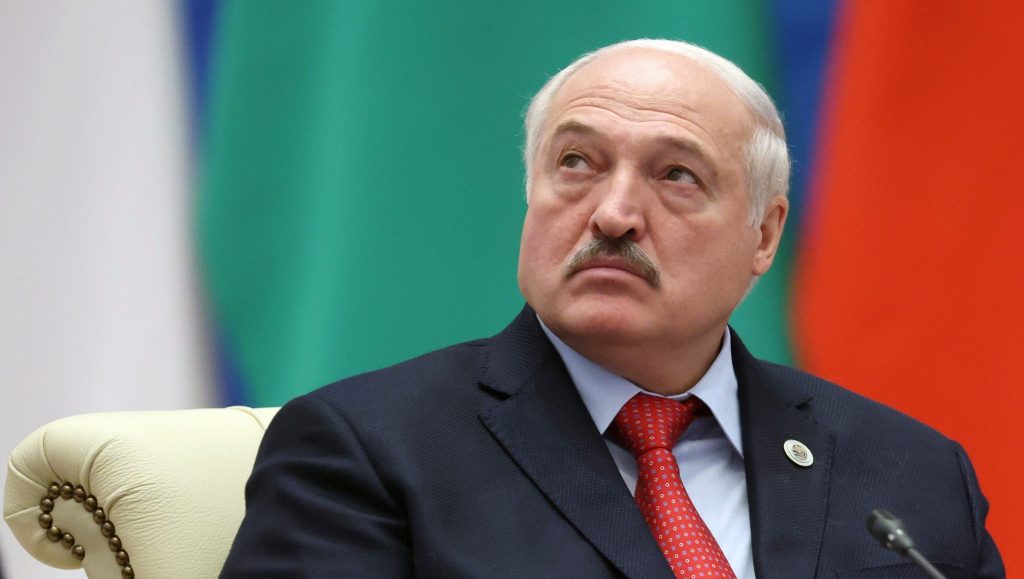
Belarusian President Aleksandr Lukashenko has positioned crypto mining as a strategic pathway toward reducing global dollar dependency, announcing aggressive expansion plans during a government meeting on energy policy.

The directive builds on previous commitments to transform the country’s surplus nuclear power capacity into a competitive advantage for digital asset production. At the same time, broader geopolitical trends accelerate de-dollarization across multiple continents.

According to a local report, Lukashenko dismissed concerns about market volatility during the November 14 meeting in Minsk, framing crypto as an inevitable component of international efforts to establish monetary alternatives.

Our entire world is now grappling with a global problem, namely moving away from dependence on a single currency, the dollar,” he told officials assembled to discuss electricity consumption strategies and nuclear capacity development.

This process will intensify. Cryptocurrency is probably one of the options.

Source: The Economist

Belarus Builds Mining Infrastructure on Nuclear Foundation

The president’s endorsement follows months of groundwork aimed at positioning Belarus as an attractive destination for international mining operations.

Lukashenko in March ordered Energy Minister Alexei Kushnarenko to utilize the nation’s electricity surplus for crypto production, explicitly referencing developments in Washington, where President Donald Trump announced plans for a national Bitcoin reserve.

We can see the direction the world is heading in, especially the largest economy in the world,” Lukashenko stated while suggesting Belarus might eventually establish its own national crypto reserve rather than simply attracting foreign investors.

Belarus has anchored its mining ambitions on the Belarusian Nuclear Power Plant, which achieved full operational capacity of 2400 megawatts following the November 2023 activation of its second unit.

Source: Belarusian Nuclear Power Plant

The infrastructure upgrade resolved previous power shortage issues that had hindered earlier attempts to court mining firms to Minsk’s Hi-Tech Park.

Russian and Chinese investors have reportedly expressed interest in Belarus-based projects, drawn by incentivized electricity tariffs now possible through the expanded nuclear output.

Beyond mining, Belarus is preparing to launch its Central Bank Digital Currency by late 2026.

The National Bank plans to onboard businesses before extending access to government agencies and citizens in 2027.

The digital ruble initiative closely coordinates with Russia’s parallel CBDC development, as both nations face sanctions pressure and seek alternative settlement mechanisms.

However, Russia has delayed its own launch to mid-2026 due to technical challenges.

Lukashenko’s strategic pivot coincides with documented shifts in international trade settlement practices that extend far beyond Eastern Europe.

Investment firm VanEck reported in April that China and Russia have begun settling some energy transactions using Bitcoin and other digital assets, while Bolivia announced plans to import electricity using cryptocurrencies.

These developments gained momentum during the time when the Trump administration escalated trade tensions by announcing a 125% tariff on Chinese imports, which triggered immediate market responses, with Bitcoin jumping 5.6% to $81,636 within an hour of the announcement.

At that time, China retaliated by hiking tariffs on U.S. goods from 34% to 84% on April 9. However, a diplomatic breakthrough on May 12 led to a tariff détente, with the U.S. reducing duties to 30% and China lowering impositions to 10%.

The U.S. Dollar Index dropped over 9% year-to-date to 99, amplifying what VanEck describes as Bitcoin’s emerging role as a hedge against fiat debasement and geopolitical risk.

Source: TradingView

Asia’s billionaires have also responded decisively to these macroeconomic shifts, according to UBS executive Amy Lo, who revealed at a Bloomberg event in Hong Kong that the region’s wealthiest investors are reallocating assets from U.S. dollars into Bitcoin, gold, and Chinese markets.

Asia’s affluent investors now hold more than 15% of their wealth in cryptocurrencies and gold, a marked departure from traditional dollar-denominated portfolios.

According to the Cryptonews report, 76% of Asia’s family offices and high-net-worth investors hold digital assets, up from 58% in 2022, with many increasing crypto allocations from less than 5% to over 10% of total holdings.

Singapore leads this transformation, with 57% of wealthy investors planning to expand their cryptocurrency positions over the next two years. The region’s affluent class is projected to see its wealth grow from $2.7 trillion in 2021 to $3.5 trillion by 2026.

Market Opportunity
EPNS Logo
EPNS Price(PUSH)
$0.01606
$0.01606$0.01606
-0.86%
USD
EPNS (PUSH) Live Price Chart
Disclaimer: The articles reposted on this site are sourced from public platforms and are provided for informational purposes only. They do not necessarily reflect the views of MEXC. All rights remain with the original authors. If you believe any content infringes on third-party rights, please contact service@support.mexc.com for removal. MEXC makes no guarantees regarding the accuracy, completeness, or timeliness of the content and is not responsible for any actions taken based on the information provided. The content does not constitute financial, legal, or other professional advice, nor should it be considered a recommendation or endorsement by MEXC.

You May Also Like

Coinbase Data Breach Fallout: Former Employee Arrest in India Over Customer Data Case Raises Bitcoin Security Concerns

Coinbase Data Breach Fallout: Former Employee Arrest in India Over Customer Data Case Raises Bitcoin Security Concerns

The post Coinbase Data Breach Fallout: Former Employee Arrest in India Over Customer Data Case Raises Bitcoin Security Concerns appeared on BitcoinEthereumNews.
Share
BitcoinEthereumNews2025/12/27 10:36
Burmese war amputees get free 3D-printed prostheses, thanks to Thailand-based group

Burmese war amputees get free 3D-printed prostheses, thanks to Thailand-based group

PROSTHETIC FEET. Silicon foot covers fitted with metal rods found in the prosthetic production unit in Mae Tao Clinic. A good prosthetic foot must absorb impact
Share
Rappler2025/12/27 10:00
China Blocks Nvidia’s RTX Pro 6000D as Local Chips Rise

China Blocks Nvidia’s RTX Pro 6000D as Local Chips Rise

The post China Blocks Nvidia’s RTX Pro 6000D as Local Chips Rise appeared on BitcoinEthereumNews.com. China Blocks Nvidia’s RTX Pro 6000D as Local Chips Rise China’s internet regulator has ordered the country’s biggest technology firms, including Alibaba and ByteDance, to stop purchasing Nvidia’s RTX Pro 6000D GPUs. According to the Financial Times, the move shuts down the last major channel for mass supplies of American chips to the Chinese market. Why Beijing Halted Nvidia Purchases Chinese companies had planned to buy tens of thousands of RTX Pro 6000D accelerators and had already begun testing them in servers. But regulators intervened, halting the purchases and signaling stricter controls than earlier measures placed on Nvidia’s H20 chip. Image: Nvidia An audit compared Huawei and Cambricon processors, along with chips developed by Alibaba and Baidu, against Nvidia’s export-approved products. Regulators concluded that Chinese chips had reached performance levels comparable to the restricted U.S. models. This assessment pushed authorities to advise firms to rely more heavily on domestic processors, further tightening Nvidia’s already limited position in China. China’s Drive Toward Tech Independence The decision highlights Beijing’s focus on import substitution — developing self-sufficient chip production to reduce reliance on U.S. supplies. “The signal is now clear: all attention is focused on building a domestic ecosystem,” said a representative of a leading Chinese tech company. Nvidia had unveiled the RTX Pro 6000D in July 2025 during CEO Jensen Huang’s visit to Beijing, in an attempt to keep a foothold in China after Washington restricted exports of its most advanced chips. But momentum is shifting. Industry sources told the Financial Times that Chinese manufacturers plan to triple AI chip production next year to meet growing demand. They believe “domestic supply will now be sufficient without Nvidia.” What It Means for the Future With Huawei, Cambricon, Alibaba, and Baidu stepping up, China is positioning itself for long-term technological independence. Nvidia, meanwhile, faces…
Share
BitcoinEthereumNews2025/09/18 01:37