

Policy bill on Bitcoin and crypto to reach French parliament
A pro-Bitcoin and crypto bill is expected to enter the French parliament, backed by the UDR party and its leader Eric Ciotti. The bill sets ambitious goals for building a BTC treasury and expanding euro stablecoin adoption.
The French UDR party and its leader, Eric Ciotti, will propose an ambitious pro-crypto bill with multiple growth points.
One of the biggest items on the proposal is the establishment of a BTC reserve of 420,000 coins, making up 2% of the total BTC supply. The treasury would rival some of the biggest buyers, bringing it close to the reserves of Strategy (MSTR).
The bill, according to reports, will accrue the reserve through the creation of a special entity, a Public Administrative Establishment (EPA), which will have to accumulate the reserve in the next 7-8 years.
The reserve is presented as a diversification tool for foreign exchange reserves. The BTC would be acquired through public mining, tapping excess energy production, with favorable miner taxation. The company will have to contend with the ever-shrinking block reward, in addition to competing with other miners and their growing data centers.
The other main source of coins would be BTC seized during legal proceedings. France has already gained some reserves in this manner. As Cryptopolitan reported, the state seized BTC from the now-defunct dark web site DFAS.
The state will also buy additional BTC through government savings schemes, potentially setting aside 15M euro per day, or around 55,000 BTC per year. The purchases of the French state, if the bill is accepted, could rival even the biggest corporate buyers.
France to encourage euro-denominated stablecoins
The bill will also encourage the creation of euro-denominated stablecoins. This type of asset has been in the focus of major European banks, though without special support from governments.
The bill points out that stablecoins can be an alternative to debit card payments and suitable for regulated everyday use. In addition to establishing the stablecoin as a legal payment, the bill sets a 200 euro ceiling for tax-exempt purposes. Stablecoins may also be used to pay taxes if the bill is accepted.
The new bill specific to France may ease some of the MiCA regulations at the level of the European Union to facilitate stablecoin issuance by European banks and even companies. Most notably, the bill would oppose the creation of digital assets by centralized authorities, deemed as limiting financial freedom.
Proposal integrates Bitcoin activity with the French financial system
The new bill contains more sections on the favorable treatment of miners in terms of energy access and taxation. The state may change taxation and offer flexible regimes for mining data centers.
Additionally, BTC may be considered sufficient collateral for some types of loans. To boost BTC acceptance, the bill also offers access to crypto through exchange-traded notes (ETN).
Technologically, France has been one of the leading crypto regions. However, some of the more liberal use cases for blockchains have been limited in the country, as in the case of Polymarket. The current bill is more focused on the financial side of Bitcoin and stablecoins.
While ambitious, the new bill by the UDR relies on limited political impact, and its acceptance is unlikely. However, the bill spells out key issues in crypto usage and adoption, paving the way for shifts in the acceptance of BTC and other technologies.
If you're reading this, you’re already ahead. Stay there with our newsletter.
You May Also Like

The Stunning ASEAN Winner Emerges As Manufacturing Shifts Accelerate
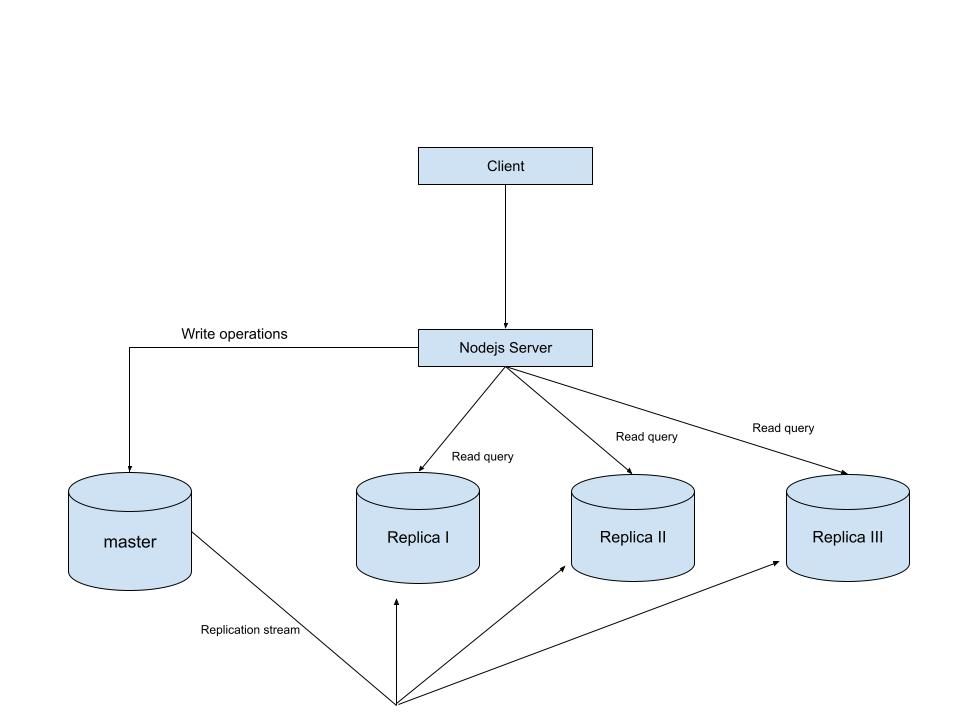
MySQL Single Leader Replication with Node.js and Docker
command: --server-id=1 --log-bin=ON The --server-id option gives each MySQL server in your replication setup its own name tag. Each one has to be unique and without it, replication won’t work at all. Another cool option not included here is binlog_format=ROW. This tells MySQL how to keep track of changes before passing them along to the replicas. By default, MySQL already uses row-based replication, but you can explicitly set it to ROW to be sure or switch it to STATEMENT if you’d rather log the actual SQL statements instead of row-by-row changes. \ Run our containers on docker Now, in the terminal, we can run the following command to spin up our database containers: docker-compose up -d \ Setting Up Our Master (Primary) Server To configure our master server, we would have to first access the running instance on docker using the following command docker exec -it mysql-master bash This command opens an interactive Bash shell inside the running Docker container named mysql-master, allowing us to run commands directly inside that container. \ Now that we’re inside the container, we can access the MySQL server and start running commands. type: mysql -uroot -p This will log you into MySQL as the root user. You’ll be prompted to enter the password you set in your docker-compose.yml file. \ Next, we need to create a special user that our replicas will use to connect to the master server and pull data. Inside the MySQL prompt, run the following commands: \ CREATE USER 'repl_user'@'%' IDENTIFIED BY 'replication_pass'; GRANT REPLICATION SLAVE ON . TO 'repl_user'@'%'; FLUSH PRIVILEGES; Here’s what’s happening: CREATE USER makes a new MySQL user called repl_user with the password replication_pass. GRANT REPLICATION SLAVE gives this user permission to act as a replication client. FLUSH PRIVILEGES tells MySQL to reload the user permissions so they take effect immediately. \ Time to Configure the Replica (Secondary) Servers a. First, let’s access the replica containers the same way we did with the master. Run this command in your terminal for each of the replica containers: \ docker exec -it <replica_container_name> bash mysql -uroot -p <replica_container_name> should be replace with the name of the replica container you are trying to setup b. Now it’s time to tell our replica where to get its data from. While inside the replica’s MySQL shell, run the following command to configure replication using the master’s details: CHANGE REPLICATION SOURCE TO SOURCE_HOST='mysql-master', SOURCE_USER='repl_user', SOURCE_PASSWORD='replication_pass', GET_SOURCE_PUBLIC_KEY=1; With the replication settings in place, let’s fire up the replica and get it syncing with the master. Still inside the MySQL shell on the replica, run: START REPLICA; This starts the replication process. To make sure everything is working, check the replica’s status with:
SHOW REPLICA STATUS\G; Look for Replica_IO_Running and Replica_SQL_Running — if both say Yes, congratulations! 🎉 Your replica is now successfully connected to the master and replicating data in real time.
Testing Our Replication Setup from the Node.js App Now that our replication is successfully set up, we can configure our Node.js server to observe the real-time effect of data being replicated from the master server to the replica server whenever we write to it. We start by installing the following dependencies:
npm i express mysql2 sequelize \ Now create a folder called src in the root directory and add the following files inside that folder connection.js, index.js and model.js. Our current directory should look like this We can now set up our connections to our master and replica server in the connection.js file as shown below
const Sequelize = require("sequelize"); const sequelize = new Sequelize({ dialect: "mysql", replication: { write: { host: "127.0.0.1", username: "root", password: "master", database: "replicaDb", }, read: [ { host: "127.0.0.1", username: "root", password: "slave", database: "replicaDb", port: 3307 }, { host: "127.0.0.1", username: "root", password: "slave", database: "replicaDb", port: 3308 }, { host: "127.0.0.1", username: "root", password: "slave", database: "replicaDb", port: 3309 }, ], }, }); async function connectdb() { try { await sequelize.authenticate(); } catch (error) { console.error("❌ unable to connect to the follower database", error); } } connectdb(); module.exports = { sequelize, }; \ We can now create a User table in the model.js file
const {DataTypes} = require("sequelize"); const { sequelize } = require("./connection"); const User = sequelize.define("User", { name: { type: DataTypes.STRING, allowNull: false, }, email: { type: DataTypes.STRING, unique: true, allowNull: false, }, }); module.exports = User \ and finally in our index.js file we can start our server and listen for connections on port 3000. from the code sample below, all inserts or updates will be routed by sequelize to the master server. while all read queries will be routed to the read replicas.
const express = require("express"); const { sequelize } = require("./connection"); const User = require("./model"); const app = express(); app.use(express.json()); async function main() { await sequelize.sync({ alter: true }); app.get("/", (req, res) => { res.status(200).json({ message: "first step to setting server up", }); }); app.post("/user", async (req, res) => { const { email, name } = req.body; let newUser = await User.build({ name, email, }); // This INSERT will go to the write (master) connection newUser = newUser.save({ returning: false }); res.status(201).json({ message: "User successfully created", }); }); app.get("/user", async (req, res) => { // This SELECT query will go to one of the read replicas const users = await User.findAll(); res.status(200).json(users); }); app.listen(3000, () => { console.log("server has connected"); }); } main(); When you make a POST request to the /users endpoint, take a moment to check both the master and replica servers to observe how data is replicated in real time. Right now, we are relying on Sequelize to automatically route requests, which works for development but isn’t robust enough for a production environment. In particular, if the master node goes down, Sequelize cannot automatically redirect requests to a newly elected leader. In the next part of this series, we’ll explore strategies to handle these challenges
