The "financial rebellion" of young Americans: betting on MEME to turn things around, satirical meme coins become popular
Author: Nancy, PANews
Recently, emerging MEME coins such as RFC, House and TROLL have quickly become popular. These meme cultures, which are full of nonsense, absurdity and even black humor, have not only become a favorite speculative tool for Generation Z, but also carry the young people's rebellious emotions against the traditional financial system and social rules, reflecting an alternative financial cultural landscape with a unique imprint of the times.
The "financial rebellion" of Generation Z, betting on MEME coins to turn things around
A few days ago, a report in The Washington Post revealed a financial trend that is quietly emerging among young Americans: more and more Generation Z are viewing MEME coins as an alternative path to realize the "American Dream". Under the realistic pressure of high housing prices, heavy student debts, and slow wage growth, traditional ways to get rich (such as buying a house and saving for retirement) are becoming increasingly out of reach for them. This disappointment with the existing financial system is driving a grassroots wealth "rebellion". Compared with traditional financial management tools, this generation is more willing to invest in the highly volatile MEME coin market, even if they only bet a few hundred dollars, they hope to get rich overnight.
The article cited data showing that young Americans are significantly more involved in the field of cryptocurrency than their elders: 42% of men aged 18 to 29 have participated in crypto activities (investment, trading or use), compared with 17% of women; while among people over 50, the figure was 11% for men and only 5% for women.
The report outlines the reality of this trend through multiple real cases. For example, 25-year-old Yuvia Mendoza hopes to become the next "Roaring Kitty" and creates related tokens to save the bankrupt Hooters restaurant chain. She once used cryptocurrency to buy T-shirts from waiters in an attempt to "empower" the tokens. Although the price of the coin eventually plummeted, she continued to be active in the MEME coin circle and switched to other projects in an attempt to capture potential wealth explosion points.
Joe McCann, founder and CEO of crypto hedge fund Asymmetric, pointed out that the "financial nihilism" of some Generation Z is pushing them into the crypto world. Burdened with high student loans and more likely to live with their parents, this generation considers 401(k) pension savings less than their predecessors, and they would rather bet a few hundred dollars on a MEME coin because they feel they have "no choice."
At the recent ETHDenver conference, 27-year-old Veronica Sutton, wearing a bright red "Make America Great Again" hat, said that today's "American Dream" is different from the past. After seeing her parents' long-term debt and feeling that she was "wasting money" to go to college during the COVID-19 pandemic, she chose to drop out of college in her senior year. "I like college and don't regret going to school, but I regret the $20,000 student loan."
A similar situation also occurred in South Korea. The "mud spoon tribe" who have long faced high housing prices, debt pressure and employment difficulties also regard MEME as an opportunity to counterattack. Not long ago, a survey report on 3,108 Korean crypto investors by local Korean institutions DeSpread and CoinNess showed that after the crypto market rebounded in 2024, new investors entering the Korean crypto market accounted for about 33%. Although most Korean investors are not familiar with DEX, the investment proportion of MEME coins has exceeded half, which is largely due to the active listing of such currencies by CEX (centralized exchanges). For example, mainstream Korean exchanges such as Bithumb and Upbit have launched popular MEME coins such as DOGE, TRUMP, PENGU, PEPE, and BONK. (Related reading: Crypto investment frenzy: Why has South Korea become one of the hottest markets in the world?)
Today, fueled by social media and the Trump administration's deregulation, this form of "entertainment hype" investment continues to heat up, including Trump himself attending a dinner this month specifically for millionaires holding TRUMP MEME coins.
From irony to rebellion, the emotional financial narrative of MEME coin
In the fast-moving digital world, MEME coins carry and convey complex emotional resonance and collective ideas in a minimalist and efficient way. In the latest meme craze, many popular MEME coins quickly resonate with Generation Z with their heart-touching narratives. These MEME coins not only show strong narrative tension and high community participation, but also reflect the cultural rebellion of young Americans who use crypto culture to fight against systemic injustice and express their own attitudes.
RFC

RFC was launched by the political satire account Retard Finder and quickly became popular due to Musk's high-frequency interactions. Its narrative is rooted in the rebellious spirit of Internet meme culture, encouraging users to "report" stupid remarks by tagging @IfindRetards and express doubts about mainstream narratives in a humorous way. The account content is mainly right-wing political satire, mocking immigration policies, environmentalism and the "woke left". In a sense, RFC has gone beyond a simple financial asset and evolved into a digital "cultural rebellion" against mainstream media and elite discourse.
GMGN data shows that within less than two months of its launch, RFC’s market value peaked at nearly US$150 million.
House
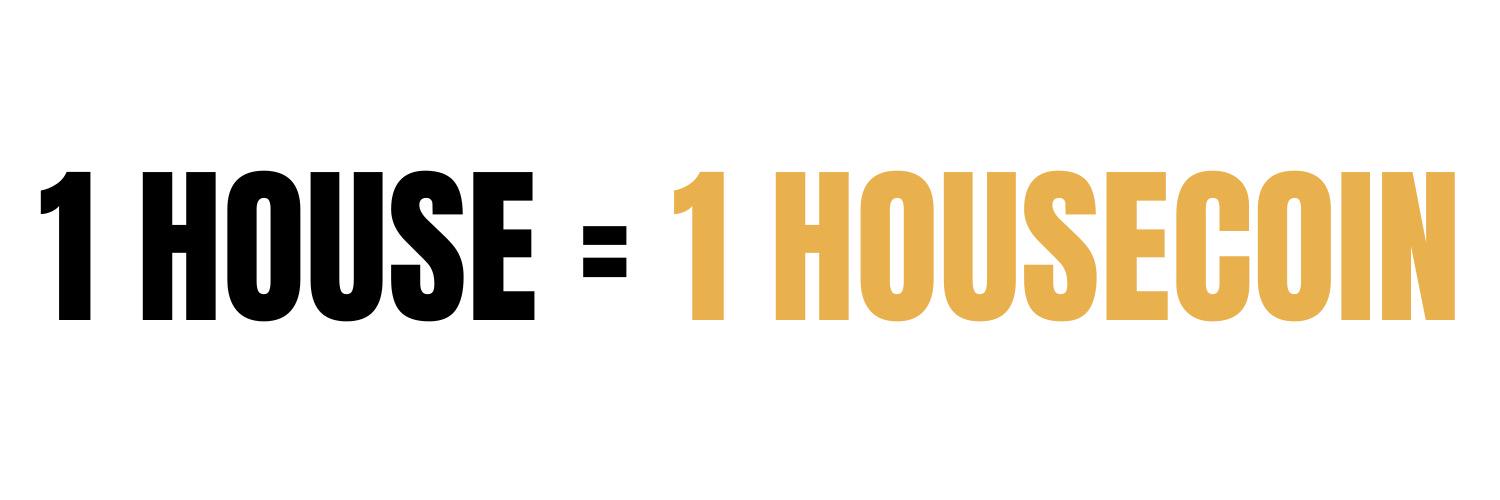
"1 House = 1 Housecoin" is the iconic slogan of the MEME coin House on Solana. Its core narrative focuses on the increasingly severe housing crisis around the world, especially touching on the real difficulties faced by contemporary young people. With high housing prices, stagnant income growth and increasingly solidified class structure, young people generally feel the heavy pressure of "difficulty in buying a house". House uses an absurd but straightforward narrative method to satirize the systemic injustice of the current real estate market, attracting a large number of young investors who are disappointed with the current situation and eager to express their attitudes.
GMGN data shows that as of May 6, House’s market value reached a peak of US$120 million within more than a month of its launch.
TROLL

TROLL originated from Trollface, one of the most iconic memes in the history of the Internet. It is a symbol of the freedom, chaos and anti-authoritarian spirit of the early Internet. It was created by artist Carlos Ramirez (nickname "Whynne") in 2008. It first appeared in his angry comic called "Trolls" to satirize the behavior of Internet "trolls" and became a classic symbol of online spoofs and humor. TROLL cleverly captures this retro feeling and attracts young users who are familiar with the history of memes and are keen on Internet subculture.
GMGN data shows that as of May 6, TROLL’s market value peaked at nearly $42 million.
neet
The name NEET comes from "Not in Education, Employment, or Training", which is used to describe young people aged 16-24 who are not employed, not receiving education or training. In Japan, this concept has been expanded to cover people aged 15-34 who are not working, not studying, and not seeking jobs, and is often associated with "house culture" or "recluses" (Hikikomori). The core of the $neet narrative is a rebellion against traditional work and social norms, transforming this social phenomenon into an ironic cultural symbol, representing the life attitude of "lying flat and rotten" or "living off parents", which caters to the psychological resonance of some young people under modern economic pressure.
GMGN data shows that since its launch at the end of April, $neet’s market value has peaked at over $21 million.
DRA
DRA is also a humorous expression focusing on socioeconomic issues. Its narrative revolves around the Decentralized Retirement Account, which is a satirical response to the traditional pension system. It reflects the younger generation’s distrust of the pension system in the traditional financial system (such as the 401K plan in the United States) and their critical sentiment towards the "pension scam."
GMGN data shows that since its launch on May 4, DRA’s market value has peaked at over $7.6 million.
You May Also Like
Let insiders trade – Blockworks

Middle East War Cancels F1 Races and Disrupts Crypto Events in Dubai