Cardano is one of the most advanced blockchain platforms, known for its scientific approach and focus on decentralization, scalability, and sustainability. One of the key aspects of Cardano’sCardano is one of the most advanced blockchain platforms, known for its scientific approach and focus on decentralization, scalability, and sustainability. One of the key aspects of Cardano’s
Learn/Cryptocurrency Knowledge/Hot Concepts/Cardano Tok...y Explained

Cardano Tokenomics: Max Supply, Inflation & Treasury Explained

Principiante
Sep 21, 2026MEXC
0m
Cardano
ADA$0.2445+7.04%
Cardano is one of the most advanced blockchain platforms, known for its scientific approach and focus on decentralization, scalability, and sustainability. One of the key aspects of Cardano’s ecosystem is its tokenomics, which governs the distribution, inflation rate, and allocation of ADA tokens. Understanding Cardano tokenomics is crucial for investors, developers, and users, as it defines the network’s economic model and how value is generated and distributed.


In this article, we will explore Cardano’s max supply, inflation rate, and treasury distribution, as well as how these factors influence the Cardano ecosystem and its long-term sustainability.
For more insights into Cardano’s governance model, check out our article What is the Cardano (ADA) Voltaire Era?.

TL;DR


  • ADA Max Supply: 45 billion ADA tokens are the fixed total supply of ADA.
  • Cardano Inflation Rate: Inflation decreases over time as most of the ADA tokens were distributed during the early years.
  • Treasury Distribution: The Cardano treasury funds network development and community initiatives via Project Catalyst and Voltaire governance.

Introduction


One of the most crucial aspects of any cryptocurrency is its tokenomics — the economic system behind the distribution, allocation, and inflation control of its native token. For Cardano (ADA), tokenomics plays a significant role in ensuring the long-term sustainability and scalability of the network while preventing runaway inflation and maintaining security.


Unlike Bitcoin (BTC), which uses Proof of Work (PoW) and has an unlimited supply, Cardano operates with a fixed supply for ADA, with most of the tokens already distributed or allocated for staking rewards. Additionally, Cardano features a unique treasury system, where the funds generated are used to sustain the ecosystem’s growth and future projects.
In this article, we will break down the key components of Cardano’s tokenomics, focusing on its max supply, inflationary model, and the role of the Cardano treasury.

1.Cardano Max Supply: A Fixed Total Supply

Understanding Cardano's Max Supply


One of the most significant aspects of Cardano’s tokenomics is the max supply of ADA tokens. The total supply of ADA is capped at 45 billion tokens, meaning that no additional ADA tokens will be minted after the total supply is reached. This fixed supply model helps to create scarcity, which can potentially increase the value of ADA over time as demand for the token grows.

Distribution of ADA Tokens:


  • Initial Circulation: A portion of ADA tokens was sold during Cardano’s initial coin offering (ICO). The early sales helped fund the development of the Cardano platform and ensure its initial infrastructure was established.
  • Staking Rewards: ADA holders can stake their tokens and receive staking rewards, which are distributed from the ADA supply.
  • Network Growth: The remainder of the 45 billion ADA tokens is allocated for future staking rewards, network governance, and ecosystem development.

For further understanding of Cardano’s decentralized approach to governance, check out our article What is the Cardano (ADA) Voltaire Era?.

2.Cardano Inflation Rate: A Decreasing Curve


How Cardano’s Inflation Works


The inflation rate of ADA refers to how quickly new ADA tokens are released into circulation. During the initial years of Cardano, the inflation rate was higher as tokens were distributed to early ADA holders, validators, and participants in the staking process.

It started at 4.72% in 2023. After five years it’s 2.2%. After a decade, it’s 0.93%. After 30 years, the inflation is 0.04%

Over time, as the majority of ADA tokens are distributed, the inflation rate decreases, ultimately reaching zero once the max supply is reached. This controlled inflation ensures that ADA maintains its value over time.

Key Features of Cardano's Inflationary Model:


  • Initial Distribution: A significant portion of ADA tokens was distributed in the early years through ICO sales and staking rewards.
  • Declining Inflation Rate: The inflation rate decreases as the total supply nears 45 billion ADA.
  • No Additional Minting: Once the 45 billion ADA tokens are in circulation, Cardano will no longer mint new tokens.

A graph showing the Cardano inflation rate, which starts high but steadily decreases as the supply approaches 45 billion ADA.

3.Cardano Treasury: Funding Ecosystem Growth


The Role of the Cardano Treasury


The Cardano Treasury is a unique and crucial aspect of Cardano’s tokenomics. The treasury collects a portion of transaction fees and staking rewards to fund network development, research, and community-driven projects.
Project Catalyst, an innovation fund in the Cardano ecosystem, allows ADA holders to propose and vote on initiatives that they believe will benefit the ecosystem. Funding for these projects is provided directly from the Cardano treasury.

In the Voltaire Era, ADA holders will have a greater role in voting on treasury distribution, ensuring the network’s continued growth and adoption by the community.

How the Treasury Works:


  • Funding Community Proposals: Through Project Catalyst, the treasury allocates funds to decentralized projects that aim to enhance the Cardano ecosystem.
  • Governance of the Treasury: Cardano’s Voltaire Era will introduce a decentralized treasury management system, where ADA holders will vote on how funds are distributed and used.


4.ADA Token Distribution: Staking and Delegation Rewards


Cardano's tokenomics is designed to encourage staking and delegation of ADA tokens to help secure the network and earn rewards. A significant portion of Cardano’s tokens is distributed as staking rewards to incentivize ADA holders to participate in the staking process.

Staking in Cardano:

  • ADA Staking Pools: ADA holders can delegate their tokens to staking pools, contributing to the security and validity of the network.
  • Rewards: Stakers receive rewards in the form of additional ADA tokens, which encourages ADA holders to actively participate in maintaining the network’s decentralized nature.

A flowchart demonstrating how Cardano’s staking pools work, showing how ADA holders earn rewards for delegating their tokens.

5.Cardano’s Inflation Control Mechanism


Unlike Proof of Work (PoW) systems, which often have high energy costs and inflationary mining models, Cardano’s PoS system ensures that inflation remains manageable over time, with most rewards being earned through staking.

Control Measures:

  • Governance by ADA Holders: The Voltaire Era will empower ADA holders to vote on changes to the protocol, including inflation and treasury distribution.
  • Economic Adjustments: The Cardano Foundation actively monitors inflation and ensures that the system remains healthy as the supply of ADA tokens increases over time.

6.The Future of Cardano Tokenomics

The Road Ahead: Managing Inflation and Maximizing Value

As Cardano continues to evolve, its tokenomics will adapt to meet the needs of a growing global community. With the implementation of the Voltaire Era and the full decentralization of the treasury, ADA holders will have increasing control over the economic future of Cardano.

Sustainability and Growth:


  • Fixed Max Supply: The 45 billion ADA cap ensures long-term scarcity and prevents runaway inflation.
  • Inflation Control: As staking rewards decrease over time, the Cardano network will rely more on governance participation and network usage to maintain its value.
  • Treasury Management: Decentralized funding through Project Catalyst will help ensure that Cardano remains adaptable and sustainable for the long term.

7.Conclusion

Cardano Tokenomics is designed for long-term sustainability, with a fixed max supply of 45 billion ADA and a decreasing inflation rate over time. The Cardano treasury supports ongoing development and growth through Project Catalyst, which allows ADA holders to propose and fund initiatives. The combination of decentralized governance, staking rewards, and careful inflation control ensures that Cardano is well-positioned for continued success in the blockchain ecosystem.
For further insights

Disclaimer: This article is for educational purposes only and does not constitute financial advice. Cryptocurrency markets are volatile. Availability of products and services may vary by region.
Oportunidad de mercado
Logo de Cardano
Precio de Cardano(ADA)
$0.2445
$0.2445$0.2445
-0.08%
USD
Gráfico de precios en vivo de Cardano (ADA)

Artículos populares

Ver más
¿Está pagando de más por Claude Code? Precio de la suscripción de Claude Code frente al precio de la API

¿Está pagando de más por Claude Code? Precio de la suscripción de Claude Code frente al precio de la API

El precio de catálogo de Claude Code es fácil de encontrar. Lo que realmente le cuesta al mes, no lo es, porque la misma herramienta se factura de dos formas completamente distintas y cuál resulta más
Claude ya cuesta ₹2.000 en India: el precio real de la suscripción a Claude por países en 2026

Claude ya cuesta ₹2.000 en India: el precio real de la suscripción a Claude por países en 2026

La página de precios indica 20 USD. El extracto de su tarjeta indica otra cifra, y esa diferencia no es un error de facturación. El precio de la suscripción a Claude varía según el país por tres motiv
Cómo operar una OPV en MEXC: Elegir el producto adecuado antes, durante y después de la cotización

Cómo operar una OPV en MEXC: Elegir el producto adecuado antes, durante y después de la cotización

Una IPO consta de tres etapas, no de un solo momento. Antes de la cotización, Pre-IPO Launchpad ofrece exposición basada en eventos, mientras que los futuros de Pre-IPO negocian expectativas de valora
¿Merece la pena Claude Max por 200 USD al mes? Precio de Claude Max, límites y quién necesita el 20x

¿Merece la pena Claude Max por 200 USD al mes? Precio de Claude Max, límites y quién necesita el 20x

Está usted inmerso en un proyecto cuando Claude le indica que ha alcanzado el límite y que vuelva a intentarlo en unas horas. Ese es el momento en el que el precio de Claude Max empieza a resultar int

Noticias en tendencia

Ver más
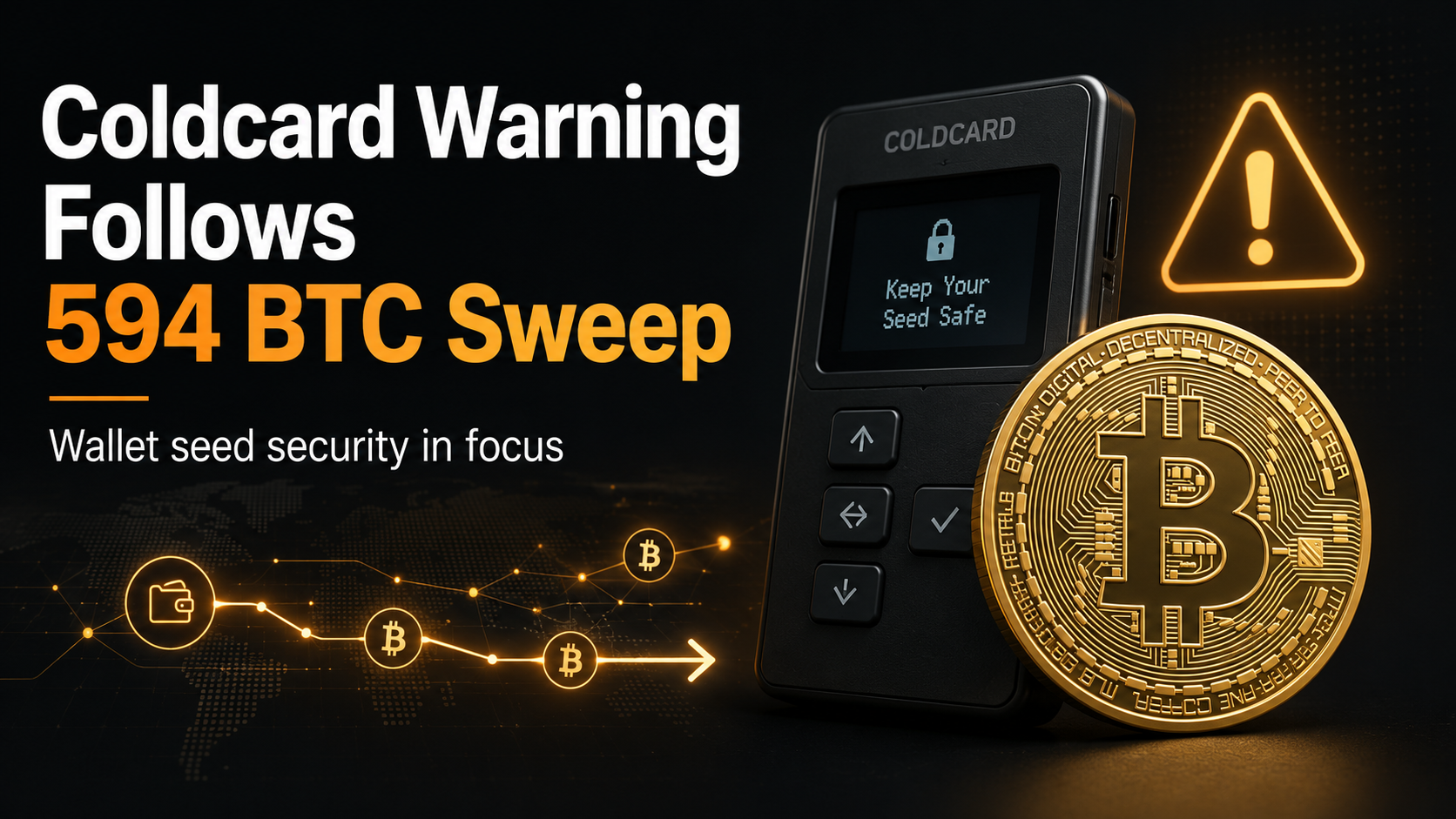
Advertencia de Coldcard Mk3 tras el barrido de 38 millones de dólares en Bitcoin, pero la causa sigue sin confirmarse

Advertencia de Coldcard Mk3 tras el barrido de 38 millones de dólares en Bitcoin, pero la causa sigue sin confirmarse

El fabricante de carteras frías de Bitcoin, Coinkite, ha advertido a los usuarios sobre un problema en la generación de semillas que afecta a los dispositivos Coldcard, incluidas todas las versiones d
Bitget abandona Japón: los servicios para residentes japoneses finalizan el 31 de diciembre de 2026

Bitget abandona Japón: los servicios para residentes japoneses finalizan el 31 de diciembre de 2026

Bitget pondrá fin a los servicios para los usuarios en Japón el 31 de diciembre de 2026. Los usuarios afectados deben cerrar las posiciones abiertas y retirar los activos antes de la fecha límite.
Mastercard completa la adquisición de BVNK por hasta 1.800 millones de dólares: las stablecoins entran en el núcleo de los pagos globales

Mastercard completa la adquisición de BVNK por hasta 1.800 millones de dólares: las stablecoins entran en el núcleo de los pagos globales

Mastercard completó su adquisición del proveedor de infraestructura de stablecoin BVNK el 3 de agosto de 2026, tras anunciar la transacción en marzo.

La relación entre el volumen de operaciones al contado de DEX y CEX alcanza el 24 % mientras se debilita la actividad de los exchanges centralizados

La relación entre el volumen de operaciones al contado de DEX y CEX alcanza el 24 % mientras se debilita la actividad de los exchanges centralizados

La relación entre el volumen al contado de los exchanges descentralizados y el volumen al contado de los exchanges centralizados alcanzó el 24,14 % en julio de 2026, según la serie de datos actual de

Artículos relacionados

Ver más
¿Qué es una Stablecoin? Guía completa para principiantes sobre criptomonedas estables

¿Qué es una Stablecoin? Guía completa para principiantes sobre criptomonedas estables

¿Te interesan las stablecoins (monedas estables), pero el mundo de las criptomonedas te resulta pesado? No estás solo. Las monedas digitales pueden ser complejas, especialmente para quienes se inician
¿XRP quema monedas? Sí, pero no por la razón que usted piensa

¿XRP quema monedas? Sí, pero no por la razón que usted piensa

Si usted mantiene XRP o está considerando comprarlo, probablemente haya visto discusiones sobre las «quemas de XRP» y se haya preguntado a qué viene tanto revuelo. La respuesta breve: sí, XRP quema mo
¿Va a subir XRP? La respuesta honesta que nadie le da

¿Va a subir XRP? La respuesta honesta que nadie le da

Tarde o temprano, casi todos los tenedores de XRP escriben la misma pregunta en el buscador: ¿va a subir XRP? El problema honesto de esa pregunta es este: cualquiera que la responda con un sí rotundo

¿Puede XRP alcanzar los 1.000 dólares? Las matemáticas dicen que no, y este es el motivo

¿Puede XRP alcanzar los 1.000 dólares? Las matemáticas dicen que no, y este es el motivo

Cada rally del mercado cripto devuelve la misma pregunta: ¿puede XRP alcanzar los 1.000 dólares? Es uno de los objetivos de precio más buscados de todo el sector cripto, y la respuesta corta es no, al

Regístrate en MEXC
Regístrate y recibe hasta 10.000 USDT en bonos
What's Your Wall Street DNA?
What's Your Wall Street DNA?What's Your Wall Street DNA?
6 personas. Everyone wins a share of $30K in NVDAX.