

Why Are Oil Prices Moving Today? Hormuz Tensions 2026
If you are a macro trader, your screen is flashing red and green. After previously breaking the massive $120 resistance, the energy market experienced a violent selloff, only to snap right back up.
Many investors are asking: why are oil prices moving today? The answer is pure event-driven volatility. The market is aggressively pricing in two completely opposite scenarios at the exact same time: a diplomatic miracle versus a prolonged military conflict.
Here is exactly what is driving the massive swings in WTI and Brent crude today, and how you can trade the geopolitical noise.
1. The Strait of Hormuz Risk Premium
On May 6, Brent crude fell sharply. Wall Street algorithms aggressively sold oil based on unconfirmed reports that the U.S. and Iran were discussing a framework to reopen the Strait of Hormuz. The market attempted to price out the "war premium."
However, this selloff was a trap. By late May 7 and early May 8, actual events proved the rumors wrong. Tehran rejected the proposed reopening plan. Shortly after, reports confirmed that U.S. and Iranian forces exchanged direct fire near the Strait.
Because of this latest US and Iran news, the fear of a total physical shortage instantly returned. Brent quickly rebounded past $102.70, and WTI surged back to $96.66. The market learned a hard lesson: do not trust diplomatic rumors until the ships actually start moving.
2. Ignore OPEC, Watch the EIA
During this chaos, you must separate useless data from actionable data.
Recently, seven OPEC+ countries agreed to raise production by 188,000 barrels per day starting in June. Normally, this would crash the price. Today, the market ignored it. Extra oil is useless if it is trapped behind a military blockade.
Instead, smart money is focusing on American data. The latest EIA report showed a massive 2.3 million barrel decline in U.S. commercial crude inventories. Tracking these crude oil reserves is critical right now. Because global buyers cannot get oil from the Middle East, they are draining American storage tanks. This physical tightening directly supports the rising price of WTI.
3. The WTI-Brent Spread Strategy
This unique crisis is creating massive trading opportunities in the "spread" between the two major oil benchmarks.
Brent represents global, seaborne oil. It is highly sensitive to maritime blockades. WTI represents U.S. inland oil. It is safe from Middle East conflict but heavily influenced by export demand.
As the Hormuz blockade continues, understanding the difference between WTI and Brent gives you a massive edge. If tensions escalate further, Brent will likely spike faster than WTI. If U.S. inventories continue to crash, WTI will catch up aggressively.
How to Trade the Headline Noise
When prices move $5 in a single day based on military headlines, traditional brokers fail. They close on weekends and charge high fees that destroy your scalp trades.
To survive this event-driven market, professional traders use crypto crude oil futures. On MEXC, you can trade the news the exact second it breaks, 24 hours a day.
You have direct access to both sides of the crisis:
OIL(BRENT)USDT: Trade the direct risk of the Strait of Hormuz firefights.
OIL(WTI)USDT: Trade the draining U.S. commercial inventories.
With MEXC’s strict 0% futures trading fee and up to 200x leverage, you can capitalize on these massive geopolitical price swings without losing your margins to broker commissions. Log in today and trade the volatility safely.
Artículos populares
Ver más
Cómo transferir cripto desde Bitget sin perderla por elegir la red equivocada
Para transferir cripto desde Bitget a otro exchange, primero reúna todos los saldos en su cuenta Spot, luego abra Activos y Retirar, seleccione una red que la plataforma de destino admita realmente pa

Nodos de Bitcoin: qué son, cuántos existen y por qué son importantes
Bitcoin no tiene CEO, ni oficina central, ni un único servidor que lo mantenga vivo. Lo que sí tiene es una red global de ordenadores — llamados nodos de Bitcoin — que trabajan juntos para validar cad

¿Qué es Gensyn ($AI Token)? La guía completa sobre la red de IA descentralizada y la moneda $AI
En esta guía, descubrirá todo sobre Gensyn — la capa de infraestructura abierta que está redefiniendo cómo se construye y se posee la inteligencia artificial. Tanto si está explorando las monedas de I

Noticias en tendencia
Ver más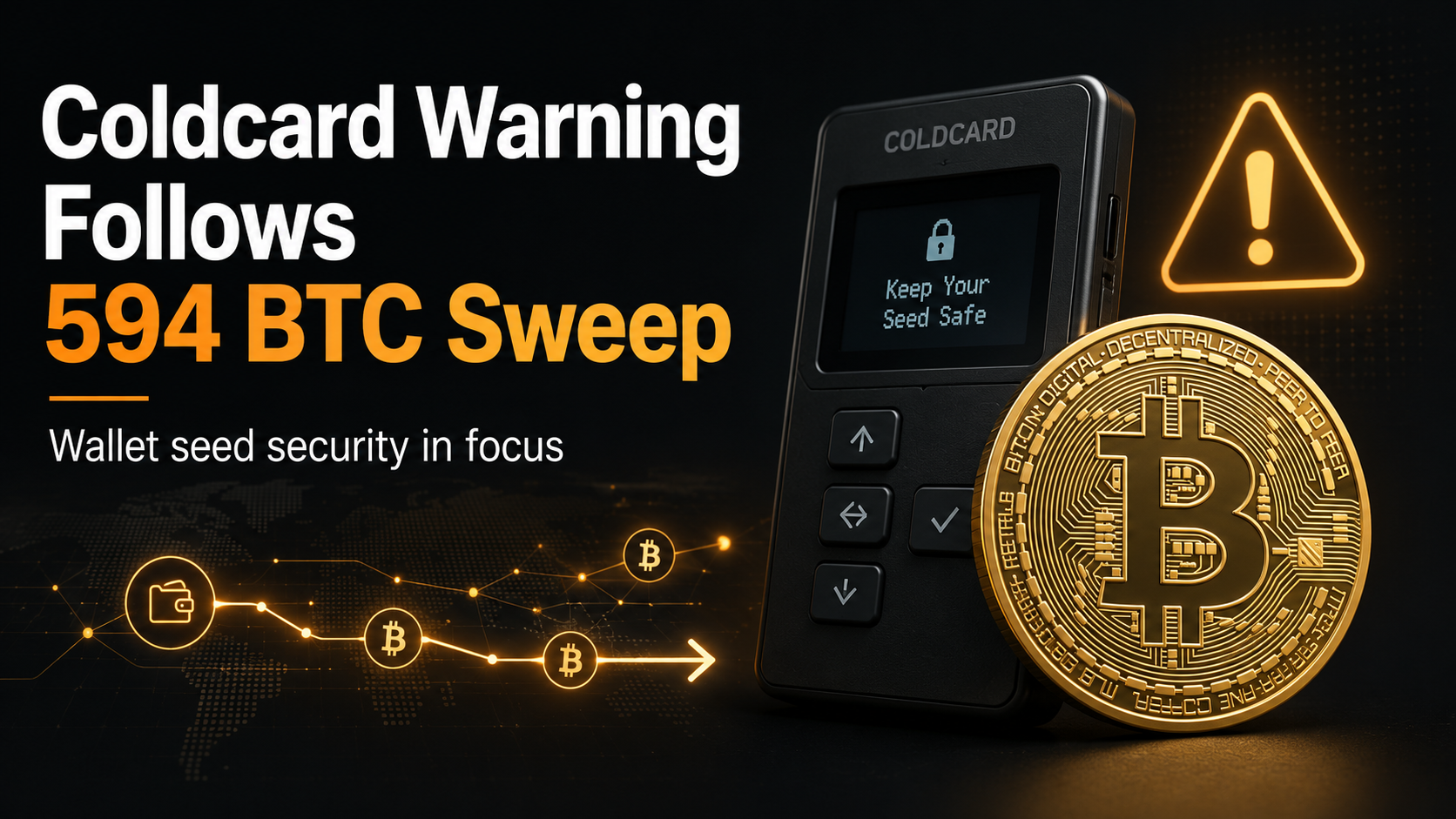
Advertencia de Coldcard Mk3 tras el barrido de 38 millones de dólares en Bitcoin, pero la causa sigue sin confirmarse
El fabricante de carteras frías de Bitcoin, Coinkite, ha advertido a los usuarios sobre un problema en la generación de semillas que afecta a los dispositivos Coldcard, incluidas todas las versiones d
Bitget abandona Japón: los servicios para residentes japoneses finalizan el 31 de diciembre de 2026
Bitget pondrá fin a los servicios para los usuarios en Japón el 31 de diciembre de 2026. Los usuarios afectados deben cerrar las posiciones abiertas y retirar los activos antes de la fecha límite.

Mastercard completa la adquisición de BVNK por hasta 1.800 millones de dólares: las stablecoins entran en el núcleo de los pagos globales
Mastercard completó su adquisición del proveedor de infraestructura de stablecoin BVNK el 3 de agosto de 2026, tras anunciar la transacción en marzo.

La relación entre el volumen de operaciones al contado de DEX y CEX alcanza el 24 % mientras se debilita la actividad de los exchanges centralizados
La relación entre el volumen al contado de los exchanges descentralizados y el volumen al contado de los exchanges centralizados alcanzó el 24,14 % en julio de 2026, según la serie de datos actual de
Artículos relacionados
Ver más
Pronóstico de USDJPY tras el repunte del yen del 30 de julio de 2026: por qué cayó el dólar y qué viene después
USDJPY experimentó una reversión inusualmente brusca durante la noche del 30 de julio de 2026, hora de Hong Kong. El dólar estadounidense cayó hasta un 3% frente al yen japonés, llevando brevemente a
Flujos inteligentes de activos cripto hacia MEXC: lo que revelan las entradas netas de 24 horas y 7 días
ResumenEn el mercado de criptomonedas, el capital suele desplazarse hacia plataformas que ofrecen liquidez competitiva, amplia cobertura de activos, infraestructura de trading eficiente e información

¿Qué es la moneda OSOR? Explicación de la Reserva Oficial de Petróleo de Arabia Saudí
OSOR se construye en torno a una de las combinaciones más potentes en el branding de materias primas: saudí, petróleo, reserva, oficial.Por eso los traders lo notan tan rápido.El nombre suena como una

Las acciones de EE.UU. suben mientras el IPC de enero alcanza el 2.4%: Por qué el giro de la Fed ahora está en juego
El "Aterrizaje Suave" ya no es un sueño, son los datos.El viernes, la Oficina de Estadísticas Laborales de EE.UU. (BLS) publicó el informe del IPC de enero de 2026, entregando exactamente lo que los a


