

Mis on Airbnb suurim probleem? Praktiline ja tõenduspõhine selgitus./
Quick answer: The biggest challenge with Airbnb—and how it affects your plans
The central issue, as highlighted by researchers and city auditors, is that short-term rentals can transform housing meant for long-term residents into temporary inventory. This shift reduces the overall supply of homes available for people who live and work in a city—and when this happens in certain neighborhoods, it can lead to higher rents and even make housing less affordable for locals. Especially if you’re considering purchasing an Airbnb property without much capital, keep in mind that regulatory frameworks, enforcement efforts, and market dynamics can all play a role in shaping your financial strategy.
Partner with FinancePolice
Before diving into any real estate deal—or even deciding whether to host on Airbnb—take time to review local regulations, assess potential risks, and test your financing plan against realistic scenarios. Our decision checklist and city-specific resources are designed to help you navigate these challenges with confidence.
Explore our advertising options
Below, we’ll walk through the evidence-backed insights from city audits and peer-reviewed research, then outline practical steps for both hosts and buyers. Our goal? To provide clear, actionable guidance—not just promises of quick returns or easy ownership.
Defining short-term rentals: What they are—and why they matter
Short-term rentals, or STRs, refer to housing units offered for brief stays—typically lasting less than 30 days—and listed on platforms that connect hosts with guests. These rentals range from occasional spare-room hosting by homeowners to full-scale commercial operations where entire properties are rented out frequently to visitors. While occasional hosting usually leaves long-term housing largely intact, commercial STRs can significantly reduce the housing stock—and that’s where the real impact begins to show.
City-level data often reveals that a small number of professional hosts manage a large portion of listings, capturing a significant share of nights booked. This concentration creates distinct patterns: in neighborhoods with high tourist demand or near popular attractions, landlords and investors are more likely to convert long-term housing into short-term rentals—driving up local rents and putting additional pressure on housing affordability. When these trends are combined with the growing popularity of commercial STRs, the result can be a noticeable shift in local housing dynamics.

The evidence: How Airbnb and other platforms are linked to housing pressures
Academic insights on rents and prices
Peer-reviewed research has shown that the rise in short-term rental listings correlates with increases in local rents and home sale prices in affected markets. According to a foundational NBER working paper, when STR supply becomes substantial, it can exert upward pressure on housing costs—a finding echoed in several recent journal articles.
City-level audits reveal hidden challenges
Municipal studies and independent datasets highlight how listing concentration and the dominance of professional hosts can alter the local housing landscape. For example, some cities report that a minority of hosts control a disproportionate share of active listings and booked nights—creating a ripple effect that amplifies the impact of STR growth. The InsideAirbnb dataset provides valuable insights into how these patterns unfold across different urban contexts.
In many cities, the primary concern is that professional short-term rental operations convert long-term housing into transient inventory—reducing the overall housing stock and contributing to higher local rents and housing costs.
City audits also point to gaps in enforcement and data access, which allow non-compliant listings to persist. As a result, rules designed to protect housing supply and affordability may not always achieve their intended impact, as noted in the Furman Center report.
How listing aggregation and professional hosts fuel the problem
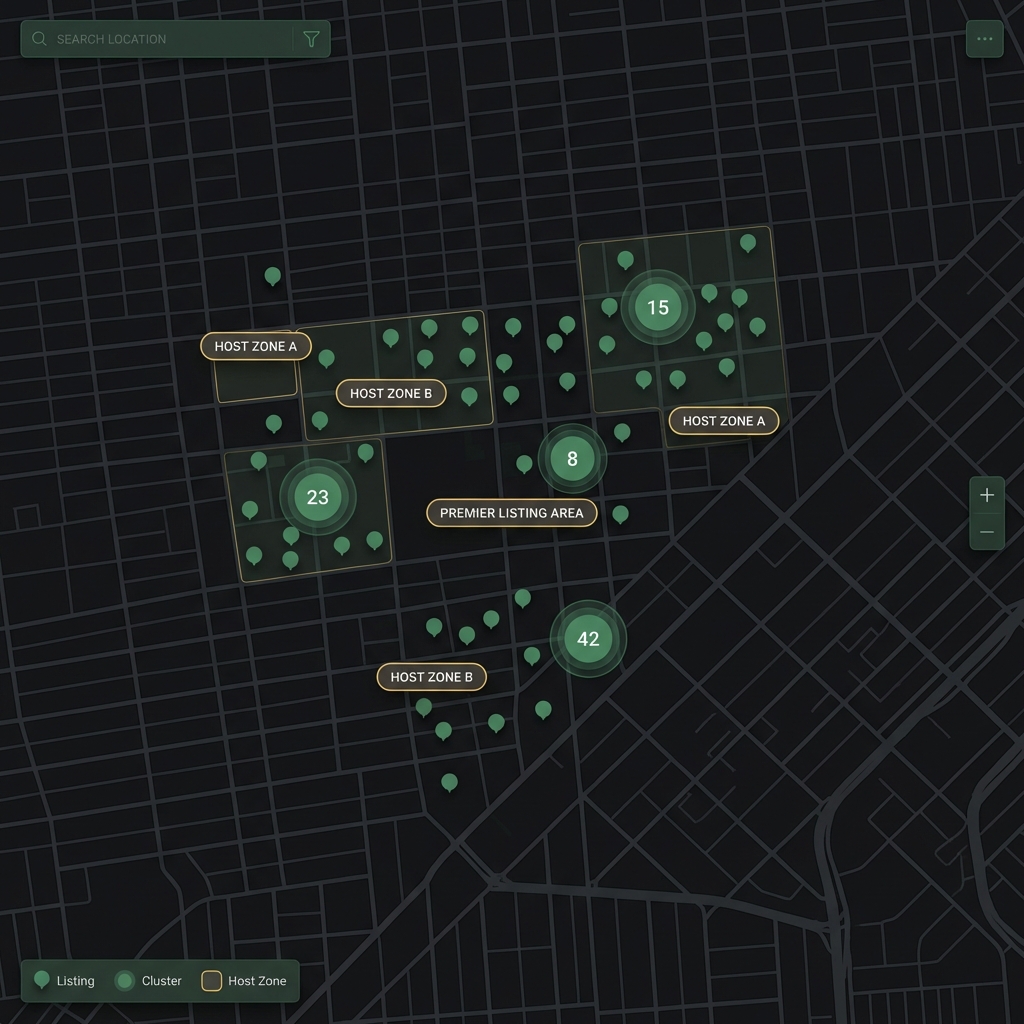
At its core, the conversion process occurs when a unit that could house a long-term resident is instead listed repeatedly for short stays. This reduces the number of homes available for traditional renting—and when multiple units in a neighborhood follow this path, the local rental market tightens. City case studies, such as those documented in the InsideAirbnb dataset, clearly illustrate how clusters of STR listings form in high-demand areas like tourist hubs and bustling districts.
In many regulated cities, investigators have found that a relatively small share of hosts manage multiple listings and account for a large proportion of nights rented. This concentration means that the actions of just a few commercial operators can influence market outcomes far more than millions of occasional listings ever could—and it highlights the importance of aligning platform incentives with local housing needs.
Policy responses so far: Registration, caps, data-sharing, and enforcement challenges
Cities around the world have adopted a similar toolkit to address the challenges posed by short-term rentals: mandatory registration, limits on the number of nights or listings per host, tax measures, and requirements for platforms to share data with municipal authorities. These policies are direct responses to the conversion problem—and they aim to make it harder or more costly to operate large-scale commercial STR businesses, as outlined in the OECD Short-Term Rentals report.
However, the effectiveness of these policies often hinges on strong enforcement capabilities and robust data access. When cities can cross-check platform listings against tax and housing records—and when they have dedicated staff and systems to monitor violations—rules tend to carry more weight. On the other hand, when enforcement teams are understaffed or platform data remain limited, non-compliant listings are more likely to persist, diminishing the overall impact of these policies, as noted in the Furman Center report.
What platform policy changes have achieved—and where they fall short
Since 2024, platform updates have brought improvements in areas like registration requirements, clearer hosting guidelines, and enhanced tax collection systems in certain jurisdictions. These changes can help cities enforce local rules and collect overdue taxes, reducing some of the negative impacts associated with commercial STR operations when implemented effectively, as highlighted in Airbnb’s latest updates.
Yet, platform-level improvements alone aren’t enough to stop listing aggregation. Commercial operators still have strong incentives to scale their operations in areas with high demand—and cities continue to report that enforcement gaps and data limitations remain. In other words, while platform policies are essential, they’re not sufficient to eliminate the externalities of professional hosting on housing markets, as evidenced by the InsideAirbnb dataset.
What this means if you’re searching how to buy Airbnb property with no money
If your goal is to purchase an Airbnb property without much upfront capital, remember that simple financing narratives often overlook legal and market risks. Local regulations may restrict new STR activity, limit the number of listings a host can operate, or require registration and tax compliance. Relying solely on STR income while planning to buy with little or no down payment can be risky—if local rules change or enforcement becomes stricter, your ability to manage multiple listings could be compromised. Before moving forward, consider exploring alternative options, such as homes for sale under 100,000 euros.
Here are some key risks to evaluate before committing: regulatory compliance, neighborhood-specific restrictions, listing aggregation rules that cap the number of listings per host, the likelihood of enforcement, and seasonal fluctuations in demand that could affect your income estimates. These practical considerations should be part of any no-money plan—and they’re best tested before taking action, as emphasized in the Furman Center report.
Practical next steps include verifying local registration and licensing requirements, consulting municipal STR datasets or audits to understand listing concentration, and preparing backup income strategies in case STR revenue falls short. Additionally, explore financing options that prioritize conservative structures—like funding a business purchase before relying on STR income—as a way to build financial resilience.
A simple decision framework for hosts and investors
Use a short checklist to determine whether hosting or investing in STRs makes sense for you. Start by confirming local rules and available data; then estimate realistic demand and seasonal trends; next, plan your financing with conservative occupancy rates and pricing strategies; finally, consider exit options in case local regulations change or enforcement intensifies. Rely on municipal audits and independent datasets to guide each step, as illustrated in the InsideAirbnb dataset.
Numbered steps help keep your evaluation concrete. First, confirm whether your city requires registration and what specific restrictions apply. Second, use local datasets to assess listing concentration risk and identify whether many listings in your target neighborhood are operated by multi-listing hosts. Third, model worst-case occupancy scenarios and prepare a fallback rental plan. Fourth, be ready to face fines or rule changes that could reduce your revenue—and adjust your budget accordingly, as recommended in the Furman Center report.
Quick, local checks to assess listing concentration and compliance
Where possible, leverage municipal datasets to gain deeper insights into local housing dynamics.
Common mistakes and red flags to avoid
A common mistake is assuming that platform listings automatically remove local legal risks. While platforms can delist a listing, that doesn’t exempt owners or hosts from local laws—and treating platform rules as a safe haven can lead to unexpected consequences, as highlighted in Airbnb’s latest updates.
Another red flag is relying on overly optimistic occupancy and income projections without a contingency plan. No-money financing schemes often depend on high occupancy rates and multiple listings—but if a city imposes listing caps or increases enforcement, those income assumptions can quickly evaporate. Always plan for conservative scenarios and ensure that financing terms don’t force unsustainable cash flow positions, as advised in the InsideAirbnb dataset.
Practical city examples and how to read the data
Independent datasets, such as those provided by InsideAirbnb, allow you to map listing clusters, identify how many hosts operate multiple properties, and distinguish between whole-home rentals and private room listings. These metrics serve as useful indicators of conversion risk within a neighborhood, as highlighted in the InsideAirbnb dataset.
Municipal audits, published by city housing research centers, often combine platform data with local permitting and tax records to pinpoint potential conversions of long-term housing into STRs. By comparing these sources, you can better understand the scale and concentration of STR supply—and gauge whether local enforcement efforts are actively underway, as noted in the Furman Center report.
For hosts and small investors, mitigation strategies focus on compliance and diversification. Keep clear accounting records for taxes and income, prefer part-time hosting over converting entire units, and build backup rental income streams in case STR revenue falls short. Diversification helps reduce reliance on a single, regulation-sensitive income stream, as recommended in the OECD Short-Term Rentals report.
For policymakers, the most effective tools include targeted registration requirements, caps on the number of nights or listings per host, stronger data-sharing agreements with platforms, and appropriately resourced enforcement teams. Evidence suggests that these approaches are the most direct path to reducing housing-market externalities—but local effectiveness varies depending on implementation resources, as noted in the OECD Short-Term Rentals report.
How to evaluate “buy with no money” pitches specifically
Red flags in no-money real estate pitches often include vague financing terms, heavy reliance on high STR income projections, and a lack of discussion about local STR rules or registration requirements. If a pitch fails to address municipal compliance checks or local data on listing concentration, treat it as a warning sign—and pause before signing anything.
Before committing, ask yourself: Can you show local registration records for comparable listings? Are your occupancy and price estimates conservative? What’s your fallback rental option if STR income falls short? Have you checked municipal datasets or city audits for signs of multi-listing concentration? Verifying these points can help you avoid common pitfalls in no-money strategies, as highlighted in the InsideAirbnb dataset.
Conclusion: Practical takeaways and next steps
The practical takeaway is simple: in many cities, the biggest challenge linked to Airbnb is the conversion of long-term housing into short-term rentals—which can reduce housing stock and push up rents and prices, especially when professional hosts aggregate listings, as noted in the NBER working paper.
Immediate next steps for readers: Check local registration rules, consult municipal STR data or audits to assess listing concentration, and plan conservative financing with a fallback rental option. FinancePolice offers clear, plain-language checklists for basic steps in evaluating hosting and real estate opportunities—helping readers get started with verification and make informed decisions.
Not reliably. STR income can be volatile and subject to regulatory limits. Before proceeding, test your no-money plan against local rules, conservative occupancy estimates, and a fallback rental option—and always stay prepared for unexpected changes in the market.
Start by contacting your city’s housing department or reviewing the municipal code for registration rules. Then, consult published audits or independent datasets to see how strictly those rules are enforced in practice.
While platform changes can help with registration and tax collection in some places, evidence shows that they don’t fully prevent commercial-scale listing aggregation without active local enforcement.


Teile võib meeldida ka

Julge samm, mis võib igapäevase finantstehnoloogia radikaalselt muuta

StakeStone’i strateegiline $2,9 miljoni deposiit Bitgetis põhjustas turuanalüüsi




