कैटेगरी की लिस्ट
कैंसिल करें

A Complete Guide to Futures Information Terminology

Beginner users who are new to futures trading may find many of the professional terms on the MEXC Futures Trading page unfamiliar and may not be sure what they represent. On the MEXC Futures trading page, detailed information is provided for each trading pair. In this article, we will use the USDT-M BTCUSDT Futures trading pair as an example.

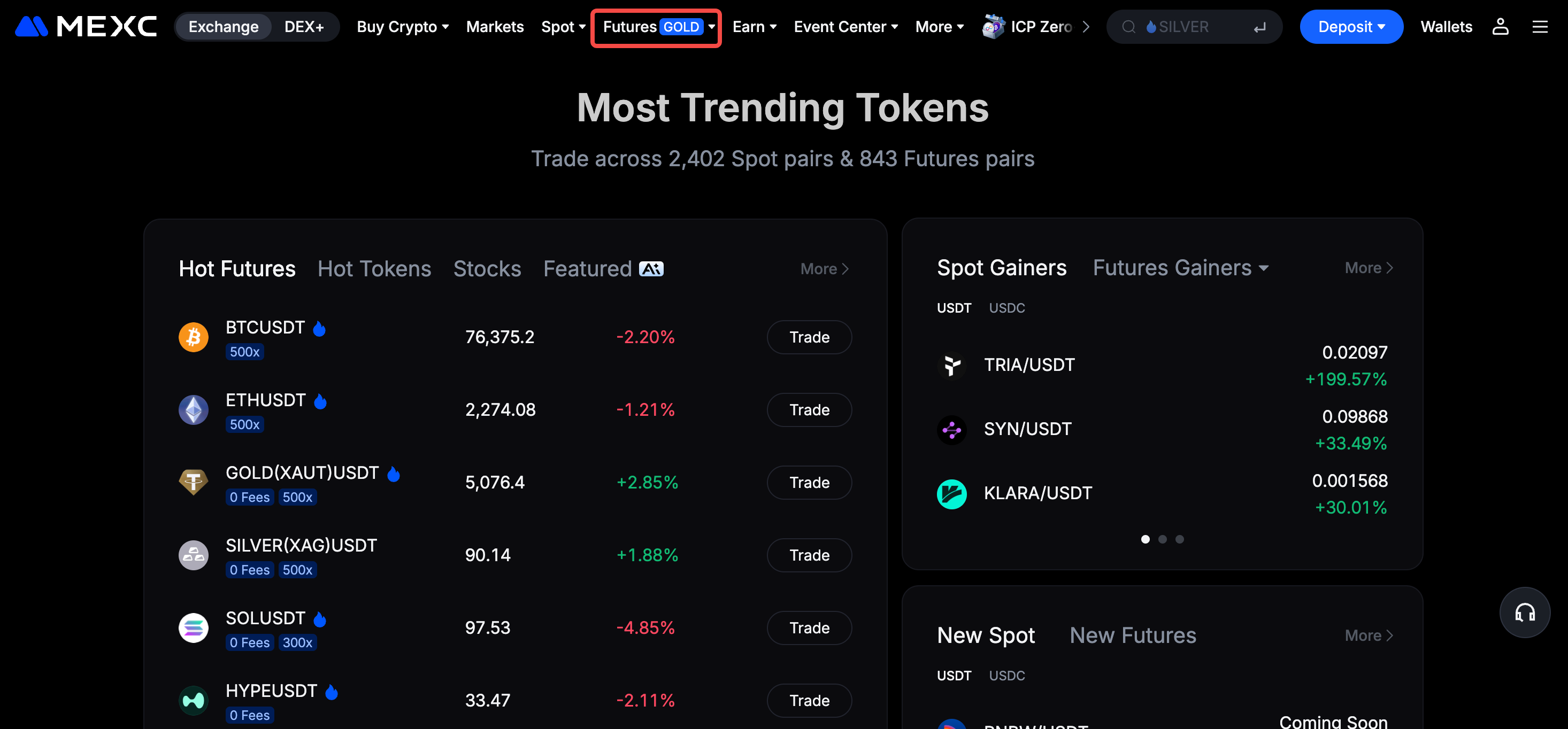
Visit the MEXC official website and log in to your account. Then, click Futures in the navigation bar to enter the Futures trading page.

Search for and select the BTCUSDT Futures trading pair, then click Trading RulesView all futures trading rules to enter the Futures Details Information page.


Select the first tab, Futures Details. This page displays detailed Futures information for the BTCUSDT Perpetual Futures trading pair. You can also use the dropdown menu to select other trading pairs and view their corresponding Futures details.


1. Basic Futures Information


Perpetual Futures: Evolved from traditional financial futures, perpetual futures differ in that they do not have a settlement or expiration date. As long as a position is not liquidated, it will not be closed automatically.

Index Price: A composite price index calculated using a weighted average of prices from major exchanges. The index price displayed on this page is the BTC Index Price, which references prices from Bybit, HTX, and MEXC.

Fair Price: The real-time fair price of the Futures, calculated based on both the index price and market price. It is used to calculate unrealized PNL and determine liquidation, and may differ from the last price to prevent price manipulation.

Futures Size (1 Cont): Represents the value of one Futures cont. For USDT-M Futures, each cont is measured in USD value; for Coin-M Futures, each cont is measured in coin quantity. For example, the BTC Futures position size is 1 cont = 0.0001 BTC.

Minimum Price Fluctuation: The smallest allowable price change for the Futures. For example, the minimum price fluctuation for BTC is 0.1.

Minimum Order Quantity: The minimum amount per order for the Futures. For example, the minimum trading quantity for BTC is 0.0001 BTC.

Limit Order Price Cap/Floor Ratio: The price of a limit buy order must be less than or equal to (1 + Cap limit ratio) × Index price. The price of a limit sell order must be greater than or equal to (1 − Floor limit ratio) × Index price.

Maximum Limit Order Quantity: The maximum number of active limit orders allowed per trading pair.

Price Protection Threshold: After enabling price protection, when a TP/SL order (trigger order) reaches its trigger price, if the price difference between the last price and the fair price exceeds the preset threshold for that Futures, the TP/SL (trigger order) will be rejected. Note that price protection only applies after it is enabled and does not affect historical orders that were not enabled.

Liquidation Fee: When a position is liquidated, the platform charges a certain percentage as a liquidation fee.

2. Margin


Initial Margin: The minimum amount of margin required to open a position.

Initial Margin Rate: Position value / Position margin. The initial margin rate reflects the leverage used.

Maintenance Margin: The minimum margin required to maintain a position. When the margin balance falls below the maintenance margin, the position will be liquidated or reduced. Maintenance Margin = Position Notional Value × Maintenance Margin Rate.

Maintenance Margin Rate: Calculated based on the position size and is not affected by leverage.

Risk Limit: MEXC applies a risk limit mechanism to all trading accounts using a tiered margin model. The maximum leverage available depends on position size. The larger the position, the lower the available leverage. Users can manually adjust leverage, and the initial margin rate is calculated based on the selected leverage.

Risk Limit Tier: Different Perpetual Futures have corresponding risk limits and tier increments. For example, BTC Perpetual Futures on MEXC are divided into 6 tiers.


3. Fees


Funding Rate: Based on the price difference between the Perpetual Futures market and the Spot market, funding fees are periodically exchanged between long and short traders. When the market trend is bullish, the funding rate is positive and long traders pay funding fees to short traders. When the market trend is bearish, the funding rate is negative and short traders pay funding fees to long traders.

Note: Funding rates fluctuate based on market sentiment and vary across trading pairs. For details, please refer to Futures Information.

Settlement Cycle: Funding fees for MEXC Perpetual Futures are generally settled every 8 hours, at 00:00, 08:00, and 16:00 (UTC). Funding settlement times may vary for certain trading pairs; please refer to the product page for details.


Liquidation Fee: When a position is liquidated, MEXC charges a certain percentage as a fee. For example, the liquidation fee rate for BTC Futures is 0.04%.

4. Other


Auto-Deleveraging (ADL): When a trader's position is liquidated, any remaining position is taken over by MEXC's Futures liquidation system. If the liquidated position cannot be closed on the market and the mark price reaches the bankruptcy price, the ADL system will reduce positions of traders holding opposing positions. The order of reduction is determined by leverage and profit ratio.

Understanding Futures trading terminology is only the first step in learning how to use Futures trading tools. To truly master them, you need to apply what you've learned through actual trading. Before starting live Futures trading, you can practice using MEXC Futures Demo Trading, and then proceed to live trading after becoming familiar with the platform.


A Complete Guide to Futures Information Terminology

Beginner users who are new to futures trading may find many of the professional terms on the MEXC Futures Trading page unfamiliar and may not be sure what they represent. On the MEXC Futures trading page, detailed information is provided for each trading pair. In this article, we will use the USDT-M BTCUSDT Futures trading pair as an example.

Visit the MEXC official website and log in to your account. Then, click Futures in the navigation bar to enter the Futures trading page.


Search for and select the BTCUSDT Futures trading pair, then click Trading RulesView all futures trading rules to enter the Futures Details Information page.


Select the first tab, Futures Details. This page displays detailed Futures information for the BTCUSDT Perpetual Futures trading pair. You can also use the dropdown menu to select other trading pairs and view their corresponding Futures details.


1. Basic Futures Information


Perpetual Futures: Evolved from traditional financial futures, perpetual futures differ in that they do not have a settlement or expiration date. As long as a position is not liquidated, it will not be closed automatically.

Index Price: A composite price index calculated using a weighted average of prices from major exchanges. The index price displayed on this page is the BTC Index Price, which references prices from Bybit, HTX, and MEXC.

Fair Price: The real-time fair price of the Futures, calculated based on both the index price and market price. It is used to calculate unrealized PNL and determine liquidation, and may differ from the last price to prevent price manipulation.

Futures Size (1 Cont): Represents the value of one Futures cont. For USDT-M Futures, each cont is measured in USD value; for Coin-M Futures, each cont is measured in coin quantity. For example, the BTC Futures position size is 1 cont = 0.0001 BTC.

Minimum Price Fluctuation: The smallest allowable price change for the Futures. For example, the minimum price fluctuation for BTC is 0.1.

Minimum Order Quantity: The minimum amount per order for the Futures. For example, the minimum trading quantity for BTC is 0.0001 BTC.

Limit Order Price Cap/Floor Ratio: The price of a limit buy order must be less than or equal to (1 + Cap limit ratio) × Index price. The price of a limit sell order must be greater than or equal to (1 − Floor limit ratio) × Index price.

Maximum Limit Order Quantity: The maximum number of active limit orders allowed per trading pair.

Price Protection Threshold: After enabling price protection, when a TP/SL order (trigger order) reaches its trigger price, if the price difference between the last price and the fair price exceeds the preset threshold for that Futures, the TP/SL (trigger order) will be rejected. Note that price protection only applies after it is enabled and does not affect historical orders that were not enabled.

Liquidation Fee: When a position is liquidated, the platform charges a certain percentage as a liquidation fee.

2. Margin


Initial Margin: The minimum amount of margin required to open a position.

Initial Margin Rate: Position value / Position margin. The initial margin rate reflects the leverage used.

Maintenance Margin: The minimum margin required to maintain a position. When the margin balance falls below the maintenance margin, the position will be liquidated or reduced. Maintenance Margin = Position Notional Value × Maintenance Margin Rate.

Maintenance Margin Rate: Calculated based on the position size and is not affected by leverage.

Risk Limit: MEXC applies a risk limit mechanism to all trading accounts using a tiered margin model. The maximum leverage available depends on position size. The larger the position, the lower the available leverage. Users can manually adjust leverage, and the initial margin rate is calculated based on the selected leverage.

Risk Limit Tier: Different Perpetual Futures have corresponding risk limits and tier increments. For example, BTC Perpetual Futures on MEXC are divided into 6 tiers.


3. Fees


Funding Rate: Based on the price difference between the Perpetual Futures market and the Spot market, funding fees are periodically exchanged between long and short traders. When the market trend is bullish, the funding rate is positive and long traders pay funding fees to short traders. When the market trend is bearish, the funding rate is negative and short traders pay funding fees to long traders.

Note: Funding rates fluctuate based on market sentiment and vary across trading pairs. For details, please refer to Futures Information.

Settlement Cycle: Funding fees for MEXC Perpetual Futures are generally settled every 8 hours, at 00:00, 08:00, and 16:00 (UTC). Funding settlement times may vary for certain trading pairs; please refer to the product page for details.


Liquidation Fee: When a position is liquidated, MEXC charges a certain percentage as a fee. For example, the liquidation fee rate for BTC Futures is 0.04%.

4. Other


Auto-Deleveraging (ADL): When a trader's position is liquidated, any remaining position is taken over by MEXC's Futures liquidation system. If the liquidated position cannot be closed on the market and the mark price reaches the bankruptcy price, the ADL system will reduce positions of traders holding opposing positions. The order of reduction is determined by leverage and profit ratio.

Understanding Futures trading terminology is only the first step in learning how to use Futures trading tools. To truly master them, you need to apply what you've learned through actual trading. Before starting live Futures trading, you can practice using MEXC Futures Demo Trading, and then proceed to live trading after becoming familiar with the platform.