

Belarus adds cryptocurrencies to list of approved underlying assets
Belarusian authorities have added cryptocurrencies like Bitcoin to a list of approved underlying assets for non-deliverable instruments.
The decision is expected to further their integration into the country’s traditional financial system and create new investment opportunities.
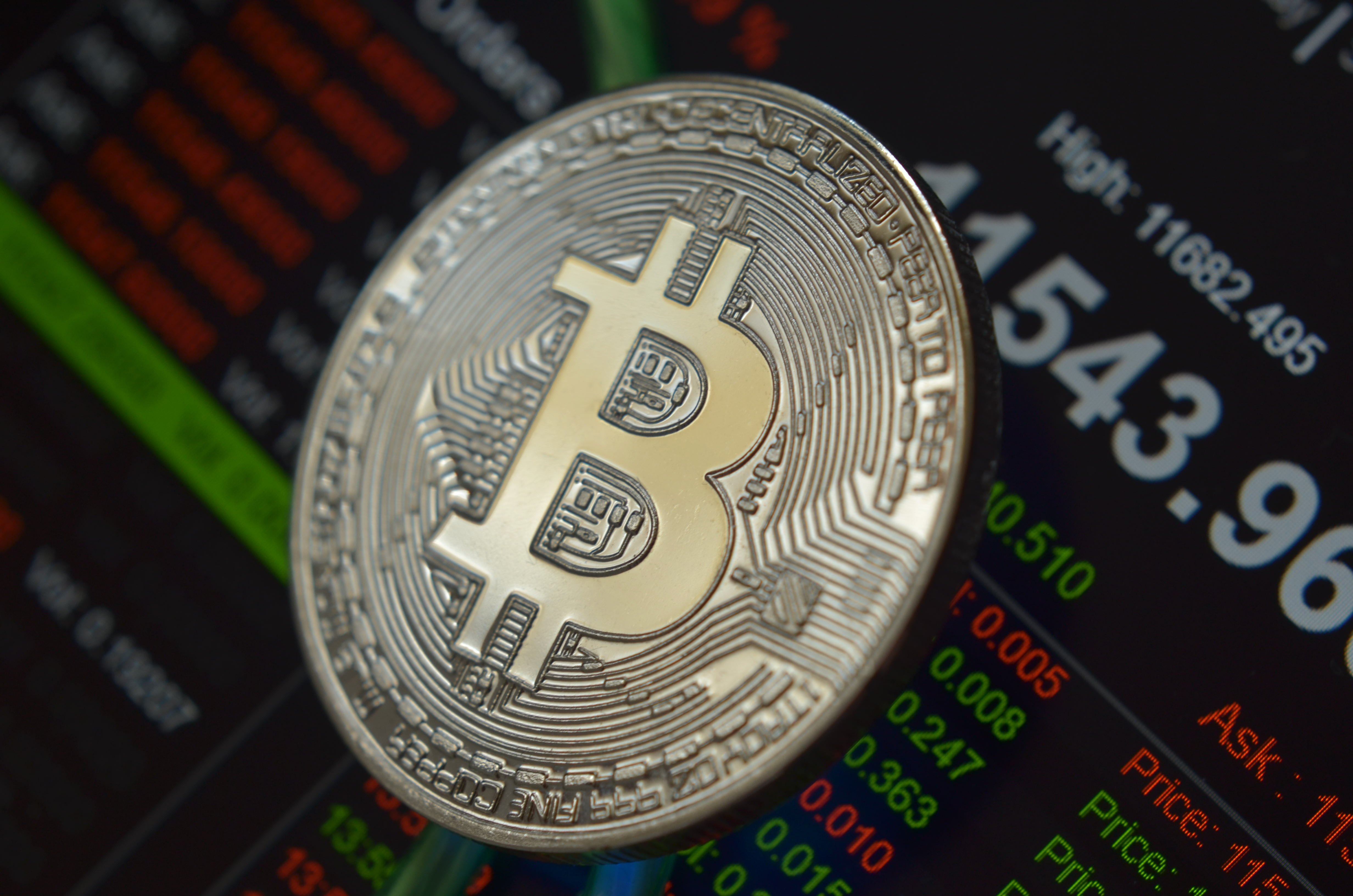
Cryptocurrencies can serve as underlying assets in Belarus
Belarus has included cryptocurrencies among the underlying assets for transactions involving non-deliverable over-the-counter (OTC) financial instruments.
It has done so through a resolution issued by the Council of Ministers and the National Bank of the Republic of Belarus (NBRB), local media unveiled.
According to the document quoted by the business news outlets Office Life and Myfin.by, the updated list now includes the following assets:
- Futures contracts and options;
- Interest rates on the international capital market;
- Stock index values;
- Digital tokens, including cryptocurrencies.
The joint resolution, dated May 23 and published by the Pravo.by portal on Tuesday, enters into force on Wednesday, May 27.
The non-deliverable OTC instruments are usually direct contracts between market players, without the participation of an exchange, that do not involve the actual delivery of the underlying assets.
Instead, these products pay investors the change in the value of the asset they are based on over the predetermined period of the transaction.
Positions are closed when these contracts expire, and the parties settle the difference in cash, the publications explained.
Reports that the Belarusian government may recognize cryptocurrencies as underlying assets for them came out earlier this year.
The move is expected to create more opportunities for crypto investment in Belarus, which is trying to integrate digital coins into its finances.
Belarus takes the lead in regional crypto adoption
In the past few years, Belarus has been taking a series of steps to expand the circulation of decentralized digital money in its economy.
It became the first nation in the post-Soviet space to legalize crypto-related activities such as mining and trading almost a decade ago.
It did that with a decree signed by President Alexander Lukashenko in 2017, which entered into effect in the spring of the following year.
Entities registered as residents of the Hi-Tech Park (HTP) in Minsk, a hub for software and fintech business, were permitted to work with coins.
In January 2026, another decree issued by the longtime Belarusian leader regulated the establishment of so-called “cryptobanks.”
The latter will be combining the features and functions of traditional banking institutions with those of cryptocurrency exchanges and service providers.
To obtain a license, such entities must again be residents of the HTP and registered with the country’s monetary authority.
In mid-May, the management of the IT cluster approved 26 cryptocurrencies that the new crypto banks will be allowed to operate with.
The list includes the most popular and capitalized coins on the market, like Bitcoin (BTC) and Ethereum (ETH), Ripple’s XRP and Binance’s BNB token.
Other jurisdictions in the region have been trying to catch up with Belarus, including Russia, where lawmakers are currently reviewing a comprehensive regulatory framework.
The Russian law “On Digital Currency and Digital Rights,” which is designed to legalize crypto transactions, including investment and trading, must be adopted by the summer.
Companies and individuals from the two allied countries have been actively using cryptocurrencies and stablecoins to circumvent international sanctions imposed over Moscow’s war on Ukraine.
The attacked nation has been ranking among the world’s top crypto adopters in the past few years. The use of digital currencies there also spiked since the start of the full-scale Russian invasion.
Further east, Kazakhstan recently introduced amendments to its digital asset legislation aimed at expanding crypto turnover beyond the narrow framework of its own fintech hub in Astana.
Don’t just read crypto news. Understand it. Subscribe to our newsletter. It's free.


Potrebbe anche piacerti

Pragmatic Play Slots at Crypto Casinos: Best Titles & Max Wins

Egrag Crypto to XRP Investors: You’re Either Early Or You’re Exit Liquidity

ETH Enters High-Stakes Decision Zone



