

Radiant DeFi to Wind Down After Failing to Recover From 2024 Hack
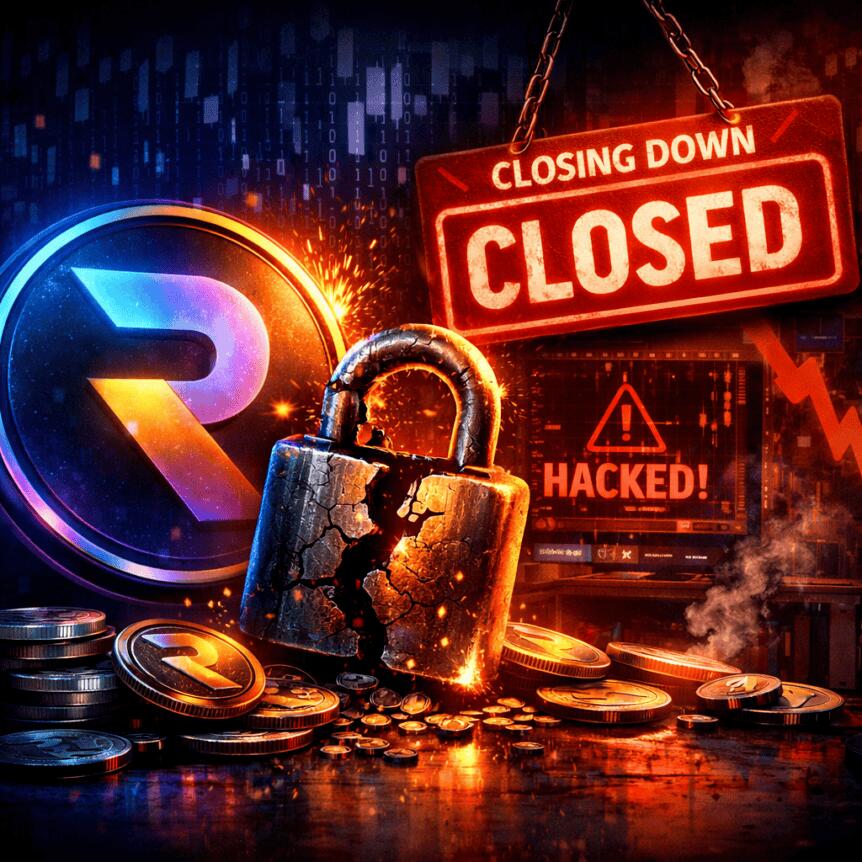
Radiant Capital, the DeFi lending protocol that sought to consolidate liquidity across multiple blockchains, has announced it will wind down after failing to secure a viable path forward following a $50 million hack in October 2024 attributed to North Korea’s Lazarus Group. In a Monday blog post, Radiant’s decentralized autonomous organization said it could not recover the stolen funds, raise fresh capital, or sustain a runway to operate responsibly, and therefore would begin winding down the project.
Radiant also posted on X that contributors and community supporters had kept the protocol afloat under increasingly difficult conditions, but the efforts were not enough to sustain operations without recovery, capital, or growth. The project had been expanding rapidly from its 2022 inception, reaching a peak total value locked (TVL) of $386.8 million in December 2023, even as TVL across the broader crypto market declined. After the October hack, Radiant’s TVL collapsed—from about $75 million to $5 million within the month—as investors reassessed risk in DeFi’s cross-chain liquidity playbook.
Key takeaways
- Radiant Capital is winding down and will not pursue further development, upgrades, or expansion, according to its DAO.
- The protocol will enter a maintenance state: the frontend stays online, smart contracts remain accessible, and users can withdraw, repay, and manage positions.
- The decentralized governance body will cease contributing to ongoing development, effectively ending the project’s active life.
- Recovery efforts will continue through Radiant’s remediation portal, with any recovered funds returned to affected users.
From launch to wind-down: the arc of Radiant Capital
Launched in 2022 with the aim of providing a single platform to bring liquidity to several blockchains, Radiant Capital saw rapid growth through 2023. Its TVL peaked at $386.8 million in December 2023, a period when liquidity in DeFi was broadly challenged by macro headwinds. The project’s fortunes took a sharp turn in October 2024 when North Korea’s Lazarus Group is reported to have exploited Radiant for $50 million, triggering a swift decline in user trust and capital availability.
Following the hack, Radiant’s TVL deteriorated quickly—dropping to around $75 million and then tumbling to roughly $5 million within the same month after the incident. The governance body has since stated that the loss of funds, combined with the inability to secure new capital or maintain a viable runway, left it with no practical path to continuity.
As part of its closing plan, Radiant highlighted that the DAO would no longer actively contribute to development or future upgrades. The project emphasized that users should actively manage risk and reduce exposure during this transitional phase, underscoring the uncertain landscape for cross-chain lending protocols in the wake of high-profile exploits.
Maintenance state vs. full shutdown: what changes for users
Radiant clarified that the maintenance-state arrangement is a departure from a traditional shutdown. The frontend will remain reachable, and the smart contracts will stay accessible, allowing users to withdraw, repay, and manage their positions. However, ongoing governance, upgrades, and strategic expansions will stop, effectively pausing the protocol’s evolution and adaptability.
The decision places a spotlight on the delicate balance between preserving user autonomy and halting development in a sector where security incidents can erase years of growth. In practice, users will retain access to existing positions and their funds, but there will be no new features, risk controls, or liquidity mechanisms introduced by Radiant’s team or community.
Radiant also noted that it will keep its remediation portal open and continue to attempt the return of any recovered funds to affected users. The emphasis on remediation signals an ongoing, albeit limited, attempt to address the fallout from the October breach while the project transitions out of active development.
For investors and supporters, the wind-down order reinforces the fragility of cross-chain liquidity models that rely on robust capital inflows and active governance. The incident also underscores the persistent regulatory and risk management challenges facing DeFi protocols that operate across multiple blockchains and rely on complex liquidity networks.
Market reaction and longer-term implications for DeFi
The Radiant news contributed to a broader reassessment of DeFi risk, particularly for protocols with multi-chain footprints and exposure to high-profile hacks. The Radiant token (RDNT) reacted to the wind-down announcement, falling about 4.2% in the immediate trading response. Historically, RDNT traded as high as $0.58 in September 2022, but the token has since traded at a fraction of a cent as the project’s prospects dimmed post-hack.
In reflecting on Radiant’s trajectory, industry observers note that the collapse illustrates both the potential and peril of DeFi’s cross-chain liquidity ambitions. While a single protocol cannot guarantee universal cross-chain reliability, the episode amplifies calls for stronger security assurances, clearer user protections, and more rigorous capital and contingency planning before scaling liquidity across multiple networks.
The development also raises questions about how other DeFi projects will handle security incidents, recovery paths, and governance continuity when faced with similar crises. Market participants will be watching whether any lessons from Radiant’s wind-down translate into improved risk frameworks, enhanced fail-safes, and better incident response protocols across the space.
As Radiant’s remediation work continues, observers will be keen to see if any recovered funds can be returned to users and whether this experience will catalyze a broader industry shift toward more conservative tokenomics and governance models in the aftermath of high-profile exploits.
Meanwhile, readers should monitor updates on the remediation portal, any statements from Radiant’s community, and how competing cross-chain lending protocols adjust their security and liquidity strategies in light of Radiant’s winding down.
Analysts will also keep an eye on broader regulatory developments and whether policy frameworks further shape DeFi risk management standards, especially for protocols that operate beyond a single chain and rely on multi-party governance and treasury management to sustain operations.
Radiant Capital’s wind-down marks a cautionary chapter for DeFi builders and investors alike: ambitious cross-chain liquidity projects require robust security, disciplined capital planning, and clear contingency paths to endure in a landscape where exploits can rapidly erase growth and erode trust.
This article was originally published as Radiant DeFi to Wind Down After Failing to Recover From 2024 Hack on Crypto Breaking News – your trusted source for crypto news, Bitcoin news, and blockchain updates.


Potrebbe anche piacerti

Sterling Weakens As Dollar Soars On Geopolitical Escalation And Bailey’s Cautious Stance

UK FCA May Exempt Crypto Firms from Key TradFi Rules — What’s at Stake?

Bitcoin Price Under Pressure: Can the Decline Continue?


Notizie di tendenza
Altro
