

Coinbase global crypto perpetual futures unlock $61.7T market for U.S. traders
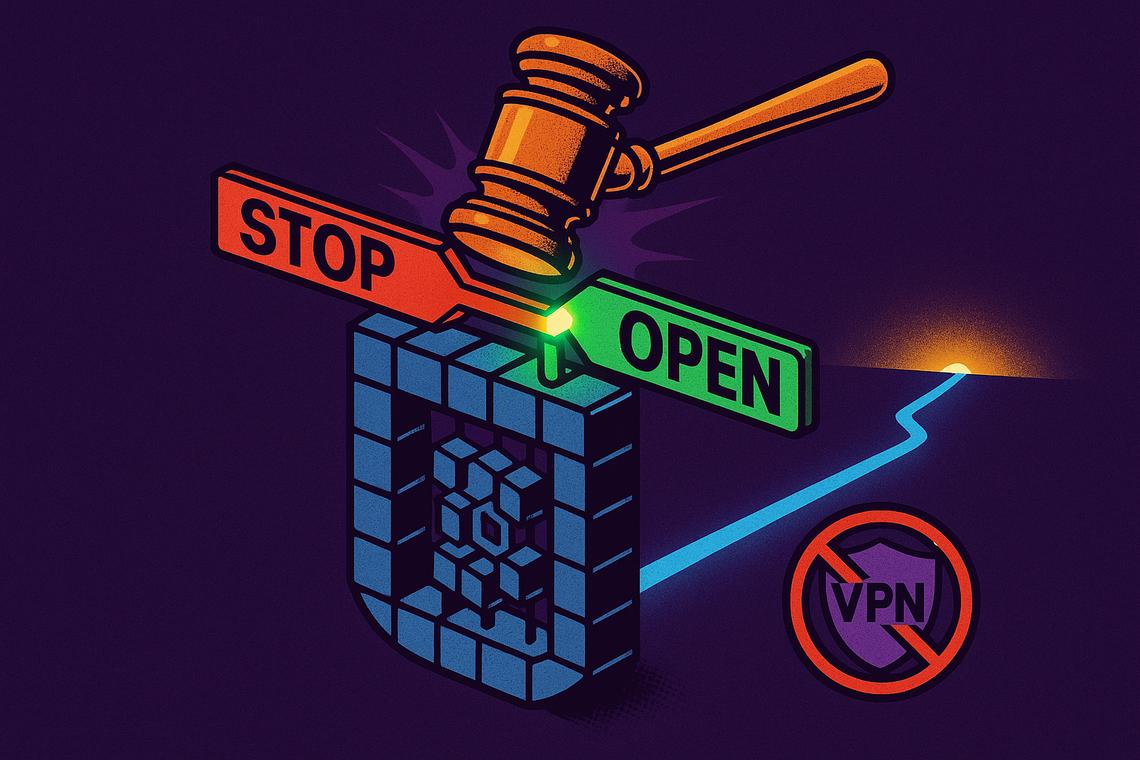
For years, American crypto traders who wanted access to Coinbase global crypto perpetual futures used a simple but legally murky workaround: they logged into offshore platforms through a VPN and hoped nobody noticed. That era may now be over. Coinbase has secured regulatory approval to offer global crypto perpetual futures to U.S. users, marking the first time a domestic exchange has brought this kind of international derivatives liquidity onshore in a compliant framework.
The announcement, made on June 11, 2026, followed the Commodity Futures Trading Commission’s formal clearance of Coinbase’s plan on May 29. As a result, Coinbase became the first U.S. exchange permitted to provide access to perpetual futures, a product that has dominated global crypto derivatives trading for years but remained largely off-limits to American traders through regulated domestic channels.
That matters because the global crypto derivatives market generated $61.7 trillion in trading volume in 2025. Meanwhile, the U.S., arguably the world’s most important financial market, had almost none of that activity flowing through regulated domestic infrastructure. Now, that gap is starting to close.
Coinbase wins approval for global crypto perpetual futures
Brian Armstrong, Coinbase’s chief executive, said the market moved offshore because U.S. rules stayed unclear for years. Writing on X, he pointed to the regulatory ambiguity that pushed crypto derivatives activity — and the traders chasing it — toward exchanges operating in more permissive jurisdictions.
Without clear rules, offshore platforms filled the void, and perpetual futures became their signature product. Armstrong acknowledged that a substantial number of Americans kept trading on those platforms anyway, using VPNs to get around geographic restrictions. He said enforcement against those workarounds was rare, which created an uneven playing field for companies that chose to operate inside U.S. regulatory boundaries.
The approval, Armstrong said, changes that calculus entirely. He also thanked CFTC Chair Harry Selig and SEC Chair Paul Atkins, signaling that the decision reflects a broader policy pivot toward bringing crypto derivatives into the U.S. regulatory fold rather than pushing activity further offshore.
Why the Coinbase global crypto perpetual futures approval matters
To understand the announcement, it helps to understand the product. Unlike traditional futures contracts, which expire on a fixed date, perpetual futures have no expiry. Traders can hold positions indefinitely, while a funding rate — periodic payments exchanged between buyers and sellers — keeps contract prices aligned with the underlying asset’s market price. That structure made perpetual futures extremely popular for leveraged crypto trading globally, even as U.S. regulators historically kept them at arm’s length.
Coinbase is now the first U.S. exchange to offer access to what Armstrong described as true global perpetual futures liquidity domestically. In other words, this is not just a domestically structured derivative product. It is an on-ramp to the same international liquidity pools that offshore traders have accessed for years.
To make that connection work, Coinbase is leaning on its $2.9 billion acquisition of Deribit, the offshore derivatives exchange it bought earlier in 2026. Deribit is one of the world’s largest crypto options and perpetual futures platforms by volume, and the acquisition gives Coinbase direct infrastructure to route U.S. users into global markets without forcing them outside a regulated environment.
Deribit acquisition gives Coinbase global liquidity access
The Deribit acquisition was always more than a balance sheet move. At $2.9 billion, it positioned Coinbase to build a bridge between U.S. regulatory infrastructure and the deep offshore derivatives liquidity that developed independently over the past several years. With the CFTC approval now in place, that bridge is open.
Armstrong framed the move in terms of network effects. Coinbase, he noted, has its strongest market position in the U.S., and the U.S. is the world’s largest trading market by volume. Connecting American traders to global liquidity pools, rather than keeping them siloed, could generate a compounding advantage as more participants flow through a single regulated network.
Coinbase also has a separate domestic product in the pipeline: a U.S. Perpetual-Style Futures product scheduled to launch on July 21, 2026.
What regulated crypto derivatives trading means for U.S. users
The significance of this approval extends beyond Coinbase’s competitive positioning. For years, crypto market fragmentation was a structural problem: the largest trader base in the world was cut off from the most liquid derivatives products by regulatory uncertainty. That fragmentation benefited offshore platforms and frustrated anyone trying to run a compliant U.S. crypto business.
What changes now is the default option for U.S. traders. Rather than navigating VPN setups and accepting the counterparty risks that come with unregulated offshore platforms, American users can access global perpetual futures through a company that operates under U.S. law, answers to U.S. regulators, and carries the compliance obligations that come with that status. Armstrong described this as potentially offering greater customer protection, a point likely to resonate with both retail traders and institutional participants waiting for a regulated pathway.
The approval also arrives as Coinbase continues expanding its product suite beyond spot trading. The exchange recently announced the first Fannie Mae-insured mortgage backed by Bitcoin collateral, and Coinbase executives have joined Mastercard’s new AI payments network, which focuses on stablecoin-powered transactions between autonomous software agents.
With a domestic perpetual-style futures product set to go live on July 21 and global liquidity access already approved, Coinbase is positioning itself as the infrastructure layer for a new phase of regulated crypto markets in the U.S. — one where American traders no longer have to choose between compliance and access.
FAQ
What are crypto perpetual futures and how do they differ from traditional futures?
Crypto perpetual futures are derivative contracts with no expiration date, meaning traders can hold positions indefinitely. They use a funding rate mechanism — periodic payments between buyers and sellers — to keep contract prices aligned with the spot price of the underlying asset. Traditional futures, by contrast, expire on a set date and require settlement or rollover.
Why has Coinbase’s approval to offer global crypto perpetual futures in the U.S. been significant?
The approval marks the first time a U.S.-regulated exchange has been permitted to offer access to global perpetual futures liquidity domestically. The global crypto derivatives market generated $61.7 trillion in trading volume in 2025, yet U.S. traders had no compliant domestic pathway to access these products. The CFTC’s clearance closes that gap.
How will the Deribit acquisition enhance Coinbase’s offering of global crypto perpetual futures?
Coinbase acquired Deribit, a major offshore derivatives exchange, for $2.9 billion in 2026. Deribit provides the global infrastructure and liquidity depth that Coinbase will use to connect U.S. users to international perpetual futures markets through a regulated domestic platform.
When will Coinbase launch its U.S. Perpetual-Style Futures product?
Coinbase has announced plans to launch its own U.S. Perpetual-Style Futures product on July 21, 2026, separate from its newly approved access to global crypto perpetual futures.
What role did U.S. regulators play in approving Coinbase’s crypto perpetual futures?
The Commodity Futures Trading Commission granted formal approval of Coinbase’s plan on May 29, 2026. Coinbase CEO Brian Armstrong specifically credited CFTC Chair Harry Selig and SEC Chair Paul Atkins for supporting the regulatory changes that made the product launch possible.


Potrebbe anche piacerti
Citigroup Plans Tokenized Private Company Shares as SpaceX and Anthropic IPO Demand Builds

Fed Governor Calls For Strong Stablecoin Oversight As CLARITY Act’s Final Text Gets Delayed
Wall Street indexes jump as Trump says strikes against Iran cancelled


Notizie di tendenza
Altro
