

The Future of Cryptocurrency in the Next 5 Years
The Future of Cryptocurrency in the Next 5 Years: Trends, Opportunities, and Challenges
Published by Hokanews
Cryptocurrency has evolved from a technological innovation into one of the most influential sectors in the global digital economy. In recent years, digital assets such as Bitcoin, Ethereum, and various altcoins have attracted attention from retail investors to large financial institutions.
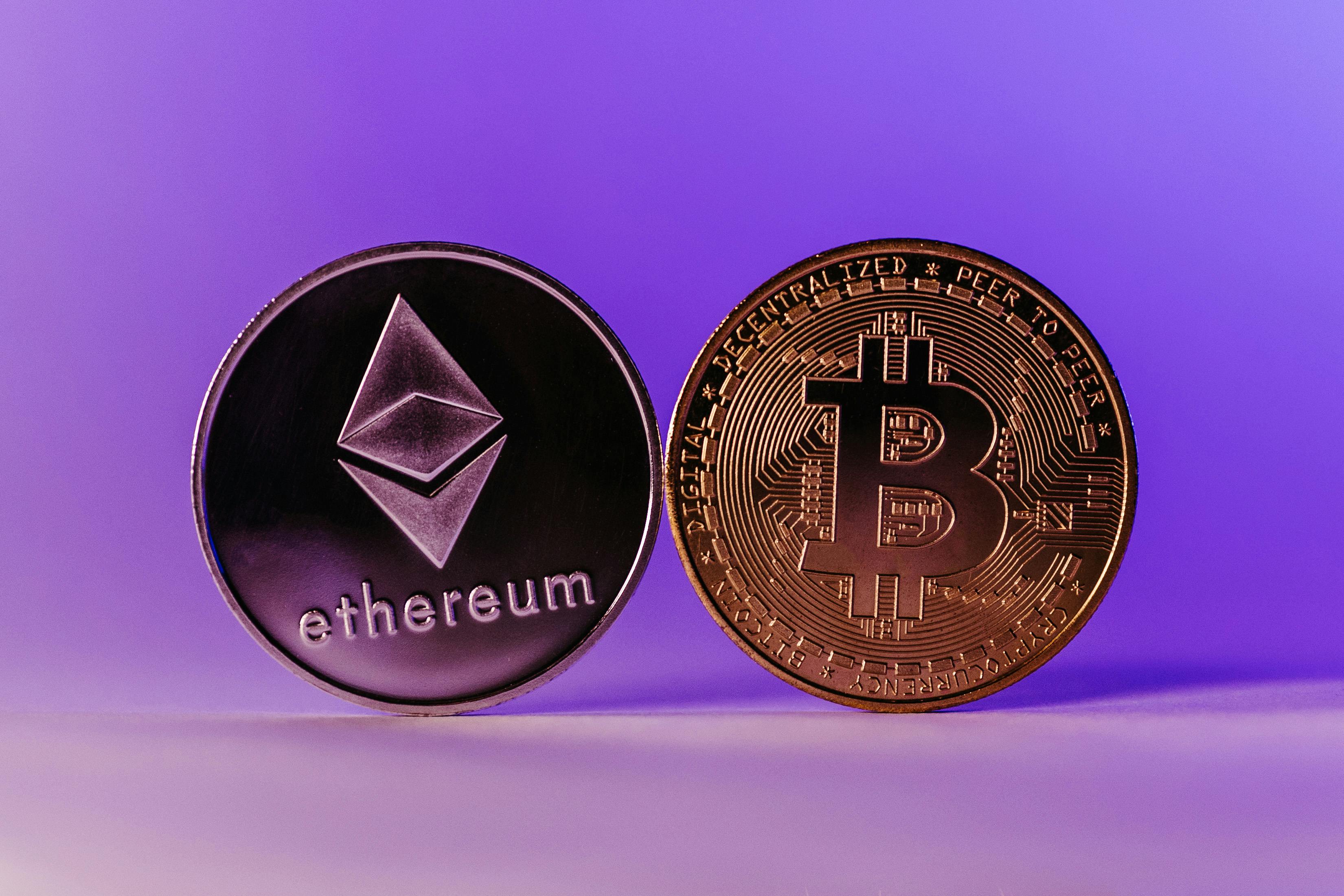
As global adoption continues to grow, many are beginning to question what the future of cryptocurrency will look like over the next five years. Will it become stronger and more widely accepted, or face major challenges that slow its growth?
This article explores the future development of cryptocurrency, key trends, investment opportunities, and potential risks in the years ahead.
Current Development of Cryptocurrency
To understand the future of crypto, it is important to look at its current state. Cryptocurrency has evolved from an alternative payment system into a vast ecosystem that includes decentralized finance (DeFi), non-fungible tokens (NFTs), GameFi, and Web3 technologies.
Many countries are beginning to adopt blockchain technology for various use cases, including payment systems, digital identity, and data management. At the same time, major financial institutions are entering the crypto market through investments and digital asset products.
However, the lack of uniform regulation across countries remains one of the biggest challenges for industry growth.
Key Cryptocurrency Trends in the Next 5 Years
Over the next five years, several major trends are expected to shape the global cryptocurrency landscape.
1. Increasing Institutional Adoption
Large companies, banks, and financial institutions are expected to increasingly adopt cryptocurrency as part of their investment portfolios. This will enhance crypto’s legitimacy and improve overall market stability.
2. Clearer Regulatory Frameworks
Governments around the world are developing clearer regulations for digital assets. These regulations aim to reduce illegal activities while providing better protection for investors.
3. Growth of CBDCs (Central Bank Digital Currencies)
Many countries are developing official digital currencies issued by central banks. CBDCs are expected to coexist with cryptocurrencies and expand the global digital payment ecosystem.
4. Integration with Web3 and GameFi
Crypto will become increasingly integrated with Web3 technologies, metaverse platforms, and GameFi ecosystems. This shift will enable users to have greater control over their data and digital assets.
5. Advances in Blockchain Technology
Next-generation blockchain networks are expected to be faster, cheaper, and more efficient. This will improve scalability and enable broader real-world applications.
Opportunities in the Future of Cryptocurrency
The future of cryptocurrency presents several exciting opportunities for investors and the digital economy.
1. Long-Term Investment Potential
Digital assets continue to be viewed as high-growth investment instruments, especially for projects with strong fundamentals.
2. Decentralized Financial Systems
DeFi will continue to grow as an alternative to traditional finance, enabling lending, saving, and transactions without intermediaries.
3. Global Digital Economy
Cryptocurrency may become a key part of the global digital economy, especially in cross-border transactions that are faster and cheaper.
4. Technological Innovation
Blockchain will continue to drive innovation across various sectors such as healthcare, logistics, education, and digital entertainment.
Challenges Facing Cryptocurrency
Despite its potential, cryptocurrency also faces several major challenges.
1. Regulatory Pressure
Some countries remain skeptical about crypto and may impose stricter regulations that limit its usage.
2. Market Volatility
Cryptocurrency prices remain highly volatile, which poses risks for short-term investors.
3. Security Risks and Scams
Hacking incidents, phishing attacks, and scam projects remain significant issues in the industry.
4. Slow Mass Adoption in Some Regions
Not all countries have the digital infrastructure needed to support widespread crypto adoption.
Will Cryptocurrency Replace Fiat Money?
One of the biggest questions is whether cryptocurrency will replace traditional fiat currencies. Over the next five years, this scenario is still considered unlikely.
Instead, crypto is more likely to coexist with traditional financial systems. A hybrid model involving fiat money, stablecoins, and CBDCs is expected to become the most realistic outcome.
The Role of Investors in the Crypto Ecosystem
Investors play a crucial role in shaping the future of cryptocurrency. With increasing awareness of risks and the importance of DYOR (Do Your Own Research), investors are expected to contribute to a healthier and more sustainable ecosystem.
Education remains key to preventing investors from falling into hype-driven or weak-fundamental projects.
Conclusion
The future of cryptocurrency over the next five years appears highly promising yet filled with challenges. With growing institutional adoption, evolving regulations, and continuous blockchain innovation, crypto has strong potential to become a core part of the global financial system.
However, market volatility, security risks, and regulatory uncertainty remain important factors to consider.
Ultimately, the success of cryptocurrency will depend on the balance between innovation, regulation, and global user education.
hoka.news – Not Just Crypto News. It’s Crypto Culture.
Writer: Barland Vex
Crypto Market Analyst & Onchain Storyteller
Barland Vex is a veteran crypto writer who treats the chaos of digital markets as his playground. With a sharp instinct for reading Bitcoin's movements, DeFi waves, and the narratives that move millions of dollars in a matter of hours, Vex delivers analysis that's always one step ahead of the market itself.
Check out other news and articles on Google News


Potrebbe anche piacerti

Fed Governor Calls For Strong Stablecoin Oversight As CLARITY Act’s Final Text Gets Delayed

Perjanjian Rusia, Turkmenistan kukuh keselamatan tenaga Malaysia

Alabama Enacts Dual Legislative Breakthrough in Blockchain and Judicial Reform


Notizie di tendenza
Altro
