Have you ever wondered how your money is managed in today’s fast and digital world? Over the past ten years, the world of investment management has changed in bigHave you ever wondered how your money is managed in today’s fast and digital world? Over the past ten years, the world of investment management has changed in big

The Evolution of Investment Management Over the Past Decade

2026/03/19 15:41
4 min di lettura
Per feedback o dubbi su questo contenuto, contattateci all'indirizzo crypto.news@mexc.com.

Have you ever wondered how your money is managed in today’s fast and digital world? Over the past ten years, the world of investment management has changed in big ways. New tools, smart machines, and online platforms have made investing easier for many people.

At the same time, investor behavior has also shifted as people look for simple and low-cost options. In this blog post, you will learn how fintech, AI, passive strategies, and new trends have shaped the industry and what these changes mean for beginners like you.

The Evolution of Investment Management Over the Past Decade

Technology Has Changed The Way We Invest

One of the biggest changes in the past decade is the rise of financial technology, also known as fintech.  In the past, you often needed to call a broker or visit a bank to get started.

Today, you can open an account in minutes and track your money in real time. These platforms often show clear charts and simple guides that help new investors learn. 

Robot advisors have also become popular. These are online services that use computer programs to manage your portfolio. They ask about your goals and risk level, then choose investments for you at a lower cost than many traditional services.

The Rise Of AI And Smart Tools

Artificial intelligence, or AI, has also shaped investment management. AI systems can study large amounts of data much faster than humans. 

Investment firms now use AI to improve research and manage risk. This does not mean humans are no longer needed, but it does mean decisions can be more informed. 

AI also helps with customer service. Chat systems can answer simple questions at any time of day. This makes support faster and easier for investors who need quick help.

Passive Strategies Have Grown Stronger

Another major shift is the growth of passive investing. Passive strategies often involve buying funds that track a market index instead of trying to beat it. These funds usually have lower fees and simple structures.

Over the past decade, many investors have moved money from active funds to passive ones. They believe steady returns and low costs can lead to strong results over time. 

Large firms and leaders in the field have spoken about these changes in reports and talks. Even well-known names like Andrew Feldstein Blue Mountain Capital have been part of wider discussions about how markets evolve and adapt. The focus now is often on balance, cost control, and long-term growth.

Investor Behavior Has Shifted

Investor behavior has also changed in clear ways. Younger investors are more likely to use apps and follow financial news online. They value speed, low fees, and easy access to information.

Social media and online forums now play a role in how people learn about stocks and funds. While this can spread useful ideas, it can also increase risk if people follow trends without research. As a result, education has become more important than ever.

Many investors now think about social and environmental impact as well. They want their money to support companies that match their values. 

A New Era Of Opportunity And Responsibility

The evolution of investment management over the past decade shows how fast change can happen. Technology, AI, passive strategies, and new investor behavior have shaped a very different market.

Investing is now more open and easier to access than before, but it also requires care and learning. By staying informed and thinking long-term, you can use these changes to your advantage.

Did this guide help you? Browse the rest of this section for more advice on a variety of topics.

Comments
Disclaimer: gli articoli ripubblicati su questo sito provengono da piattaforme pubbliche e sono forniti esclusivamente a scopo informativo. Non riflettono necessariamente le opinioni di MEXC. Tutti i diritti rimangono agli autori originali. Se ritieni che un contenuto violi i diritti di terze parti, contatta crypto.news@mexc.com per la rimozione. MEXC non fornisce alcuna garanzia in merito all'accuratezza, completezza o tempestività del contenuto e non è responsabile per eventuali azioni intraprese sulla base delle informazioni fornite. Il contenuto non costituisce consulenza finanziaria, legale o professionale di altro tipo, né deve essere considerato una raccomandazione o un'approvazione da parte di MEXC.

Potrebbe anche piacerti

SEC Backs Nasdaq, CBOE, NYSE Push to Simplify Crypto ETF Rules

SEC Backs Nasdaq, CBOE, NYSE Push to Simplify Crypto ETF Rules

The US SEC on Wednesday approved new listing rules for major exchanges, paving the way for a surge of crypto spot exchange-traded funds. On Wednesday, the regulator voted to let Nasdaq, Cboe BZX and NYSE Arca adopt generic listing standards for commodity-based trust shares. The decision clears the final hurdle for asset managers seeking to launch spot ETFs tied to cryptocurrencies beyond Bitcoin and Ether. In July, the SEC outlined how exchanges could bring new products to market under the framework. Asset managers and exchanges must now meet specific criteria, but will no longer need to undergo drawn-out case-by-case reviews. Solana And XRP Funds Seen to Be First In Line Under the new system, the time from filing to launch can shrink to as little as 75 days, compared with up to 240 days or more under the old rules. “This is the crypto ETP framework we’ve been waiting for,” Bloomberg research analyst James Seyffart said on X, predicting a wave of new products in the coming months. The first filings likely to benefit are those tracking Solana and XRP, both of which have sat in limbo for more than a year. SEC Chair Paul Atkins said the approval reflects a commitment to reduce barriers and foster innovation while maintaining investor protections. The move comes under the administration of President Donald Trump, which has signaled strong support for digital assets after years of hesitation during the Biden era. New Standards Replace Lengthy Reviews And Repeated Denials Until now, the commission reviewed each application separately, requiring one filing from the exchange and another from the asset manager. This dual process often dragged on for months and led to repeated denials. Even Bitcoin spot ETFs, finally approved in Jan. 2024, arrived only after years of resistance and a legal battle with Grayscale. According to Bloomberg ETF analyst Eric Balchunas, the streamlined rules could apply to any cryptocurrency with at least six months of futures trading on the Coinbase Derivatives Exchange. That means more than a dozen tokens may now qualify for listing, potentially unleashing a new wave of altcoin ETFs. SEC Clears Grayscale Large Cap Fund Tracking CoinDesk 5 Index The SEC also approved the Grayscale Digital Large Cap Fund, which tracks the CoinDesk 5 Index, including Bitcoin, Ether, XRP, Solana and Cardano. Alongside this, it cleared the launch of options linked to the Cboe Bitcoin US ETF Index and its mini contract, broadening the set of crypto-linked derivatives on regulated US markets. Analysts say the shift shows how far US policy has moved. Where once regulators resisted digital assets, the latest changes show a growing willingness to bring them into the mainstream financial system under established safeguards
Condividi
CryptoNews2025/09/18 12:40
Visa Crypto Labs Launches Command-Line Tool for Secure AI Payments

Visa Crypto Labs Launches Command-Line Tool for Secure AI Payments

The post Visa Crypto Labs Launches Command-Line Tool for Secure AI Payments appeared on BitcoinEthereumNews.com. Visa Crypto Labs launches “Visa CLI,” a Command
Condividi
BitcoinEthereumNews2026/03/19 19:06
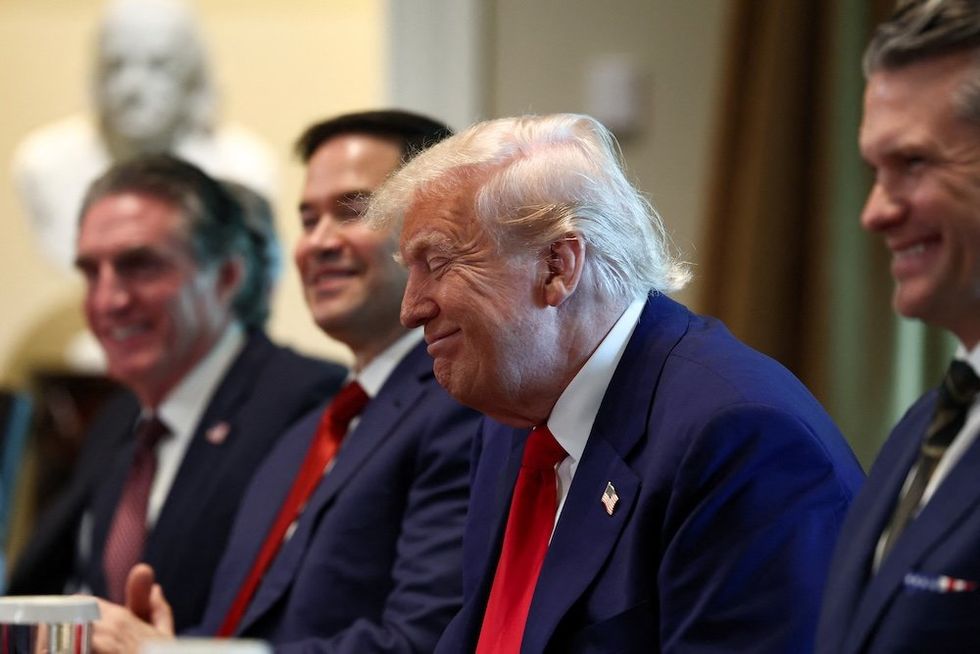
Trump just shattered an economic record — and it's catastrophic

Trump just shattered an economic record — and it's catastrophic

Under President Donald Trump, the United States national debt crossed $39 trillion for the first time as of Tuesday — meaning that it has grown by $1 trillion since
Condividi
Alternet2026/03/19 18:14