Oil Price Forecast: Macquarie’s Dire Warning of $200 Oil if Iran Conflict Escalates
BitcoinWorld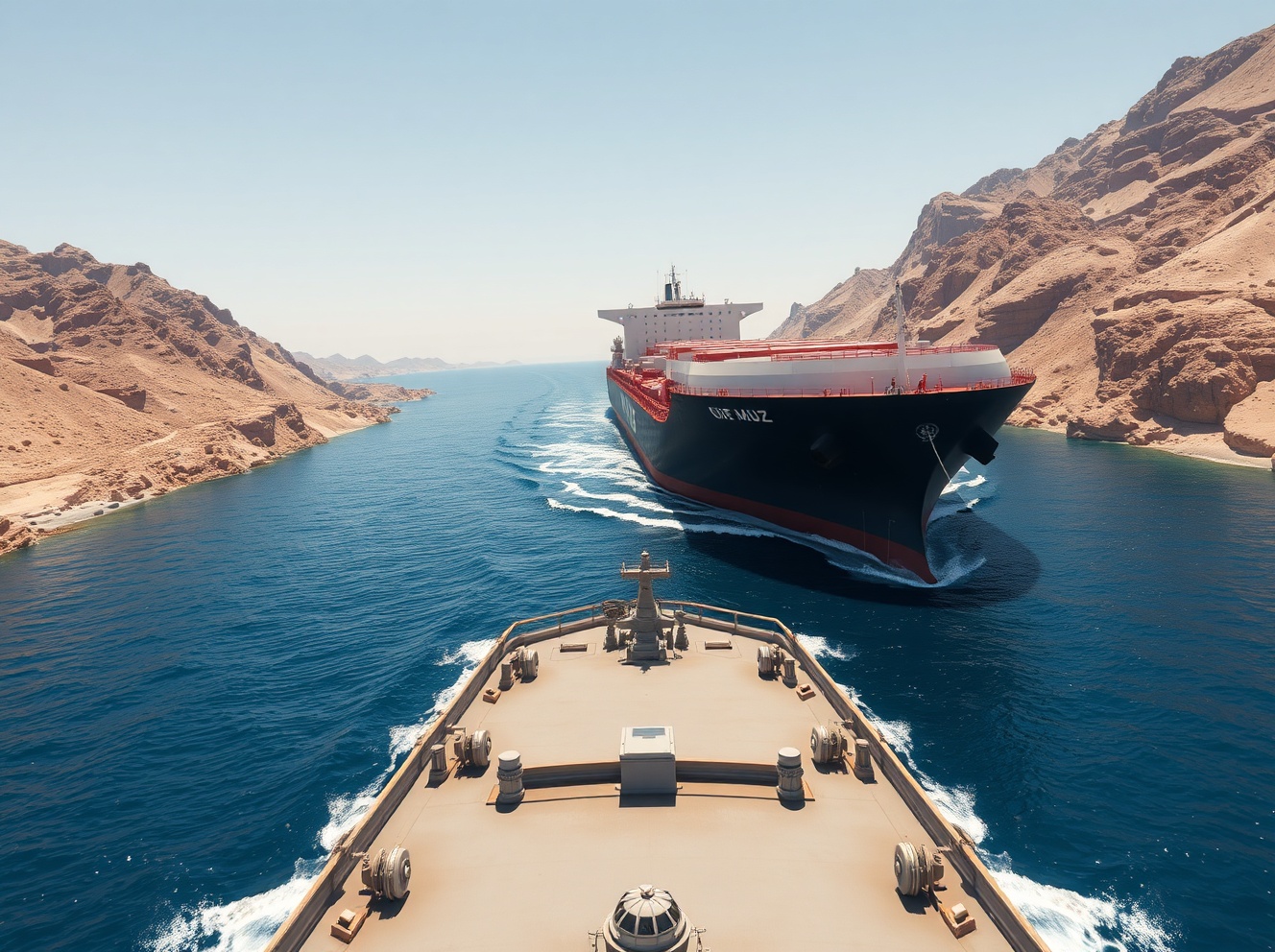
Oil Price Forecast: Macquarie’s Dire Warning of $200 Oil if Iran Conflict Escalates
Global energy markets face a potentially seismic shock as investment bank Macquarie issues a stark warning: oil prices could surge to $200 per barrel if the Iran conflict persists through June. This alarming oil price forecast, released on March 15, 2025, hinges on one critical factor—the continued closure of the Strait of Hormuz, the world’s most important oil transit chokepoint. Consequently, analysts worldwide now scrutinize every development in the region.
Macquarie’s $200 Oil Price Forecast Analysis
Macquarie’s research division based its projection on detailed scenario modeling. The bank’s analysts examined historical supply disruptions, current inventory levels, and global demand elasticity. Their models show a clear correlation between Strait of Hormuz closures and immediate price spikes. Furthermore, the analysis considers the limited spare production capacity among OPEC+ members. Most importantly, the forecast assumes no immediate strategic petroleum reserve releases could offset the supply loss.
The current conflict involves multiple regional actors and has already seen several maritime incidents. Macquarie’s report specifically notes that a prolonged closure beyond 30 days would trigger the $200 scenario. Previous closures, though brief, caused immediate 15-20% price increases. This time, however, global inventories remain relatively tight compared to historical averages. Therefore, the market has less cushion to absorb sustained supply interruptions.
The Strategic Importance of the Strait of Hormuz
Approximately 21 million barrels of oil pass through the Strait of Hormuz daily. This represents about 21% of global petroleum liquid consumption. The narrow waterway, only 21 nautical miles wide at its narrowest point, connects Persian Gulf oil producers with global markets. Specifically, countries like Saudi Arabia, Iraq, the United Arab Emirates, and Kuwait depend almost entirely on this route for exports. Any disruption therefore immediately affects global supply chains.
The strait’s geography makes it inherently vulnerable. Shipping lanes require tankers to pass through Iranian territorial waters. Consequently, Iran has repeatedly demonstrated its capability to harass or impede maritime traffic. Historical precedents include the 1980s Tanker War and more recent seizures of commercial vessels. Currently, naval forces from multiple nations patrol the area, creating a tense standoff.
Historical Context and Market Psychology
Oil markets react strongly to geopolitical risk premiums. During the 1990 Gulf War, prices briefly doubled. Similarly, the 1979 Iranian Revolution triggered a prolonged price surge. Macquarie’s analysts emphasize that market psychology often amplifies physical supply disruptions. Traders typically price in worst-case scenarios before they materialize. This behavioral factor could accelerate price movements toward the $200 target.
The table below shows historical oil price spikes during major Middle East disruptions:
| Event | Year | Price Increase | Duration |
|---|---|---|---|
| Yom Kippur War / Arab Oil Embargo | 1973 | 300% | 5 months |
| Iranian Revolution | 1979 | 150% | 12 months |
| First Gulf War | 1990 | 100% | 3 months |
| Libyan Civil War | 2011 | 25% | 2 months |
Global Economic Impacts of $200 Oil
Sustained $200 oil would deliver a severe blow to the global economy. Transportation costs would skyrocket across all sectors. Manufacturing would face dramatically higher input expenses. Central banks would confront renewed inflationary pressures just as many were declaring victory over post-pandemic inflation. Emerging markets with fuel subsidies would face fiscal crises. Moreover, consumer spending would contract sharply as disposable income shrinks.
Key impacts would include:
- Inflation resurgence: Energy costs feed directly into core inflation metrics
- Recession risk: Historical data shows oil shocks often precede economic downturns
- Currency volatility: Petro-currencies would strengthen while oil-importing nations’ currencies weaken
- Sector disruption: Airlines, shipping, and automotive industries would face existential challenges
- Alternative energy acceleration: High prices would boost investment in renewables and efficiency
Expert Perspectives on the Forecast
Energy analysts from S&P Global Commodity Insights note that while $200 represents an extreme scenario, the direction of risk is unmistakable. They point to declining global spare capacity as a key vulnerability. Former OPEC officials, speaking anonymously, confirm that most members cannot significantly increase production beyond current levels. Meanwhile, International Energy Agency representatives emphasize their readiness to coordinate emergency stock releases. However, they acknowledge these reserves would only cushion a short-term disruption.
Market technicians observe that oil futures curves have already shifted into steep backwardation. This structure indicates immediate supply concerns. Options markets show increased demand for protection against prices above $150. These market signals suggest participants take the risk seriously. Consequently, even without a full closure, prices may rise substantially on fear alone.
Regional Dynamics and Conflict Timeline
The current tensions stem from multiple overlapping conflicts. Iran’s nuclear program remains a central issue. Regional proxy wars continue in Yemen and Syria. Recent attacks on shipping have escalated concerns. Diplomatic efforts continue behind the scenes, but progress appears limited. The June timeline in Macquarie’s forecast coincides with several diplomatic deadlines and seasonal factors.
Several critical developments will occur before June:
- IAEA board meetings on Iran’s nuclear compliance
- OPEC+ production policy meetings
- Seasonal increase in global oil demand
- U.S. strategic petroleum reserve replenishment plans
- European Union energy security reviews
Military analysts note that neither side appears to want full-scale war. However, miscalculation remains a significant risk. Accidentally sinking a tanker could trigger uncontrollable escalation. Naval forces operate in close proximity with different rules of engagement. This dangerous environment increases the probability of incidents that could close the strait temporarily.
Alternative Scenarios and Market Responses
Macquarie’s report outlines several alternative outcomes. A brief closure of under two weeks might push prices to $120-140. A negotiated settlement before June could see prices retreat to current levels. The bank assigns probabilities to each scenario based on current intelligence. Market participants have already begun adjusting portfolios accordingly. Hedge funds increased long positions in oil futures last week. Energy company stocks show unusual options activity.
Major oil companies quietly review their contingency plans. These include rerouting shipments around Africa’s Cape of Good Hope. This alternative route adds 10-14 days to voyages and significantly increases costs. Pipeline alternatives, like the Abu Dhabi Crude Oil Pipeline, have limited capacity. Therefore, they cannot fully compensate for Strait closures. Meanwhile, governments assess their strategic reserve adequacy. Some Asian importers reportedly seek additional spot purchases as precautionary measures.
Conclusion
Macquarie’s $200 oil price forecast serves as a sobering reminder of global energy vulnerability. The Strait of Hormuz remains the world’s most critical energy artery. While the extreme scenario requires specific conditions, the underlying risks are real and present. Markets now watch the region with heightened anxiety. Consequently, volatility will likely increase regardless of the ultimate outcome. This oil price forecast ultimately highlights the fragile balance between geopolitical stability and global economic health.
FAQs
Q1: What exactly would trigger $200 oil prices according to Macquarie?
Macquarie’s forecast requires the Iran conflict to continue through June with the Strait of Hormuz remaining closed to oil tankers for an extended period, creating a severe supply shortage in global markets.
Q2: How much oil normally flows through the Strait of Hormuz?
Approximately 21 million barrels per day pass through the strait, representing about 21% of global petroleum consumption and one-third of all seaborne traded oil.
Q3: What historical events support such a dramatic price forecast?
Historical precedents include the 1979 Iranian Revolution (150% price increase), the 1990 Gulf War (100% increase), and the 1973 oil embargo (300% increase), all demonstrating how Middle East disruptions create major price spikes.
Q4: How would $200 oil affect the average consumer?
Consumers would face dramatically higher prices for gasoline, heating oil, electricity, and virtually all goods and services due to increased transportation and manufacturing costs throughout the economy.
Q5: Are there any alternatives if the Strait of Hormuz closes?
Limited alternatives exist, including rerouting tankers around Africa (adding 10-14 days transit time), using pipelines with limited capacity, or drawing on strategic petroleum reserves, but none can fully replace the strait’s capacity.
This post Oil Price Forecast: Macquarie’s Dire Warning of $200 Oil if Iran Conflict Escalates first appeared on BitcoinWorld.
Potrebbe anche piacerti

Things you should know about Radiation Therapy: Navigating Symptoms and Causes

The Growing Dominance of AI Search: Trends, Statistics, and Business Implications