Crude Oil Reserves 2026 Data: Trade API on MEXC
Introduction: The 2026 Supply Shock and Reserve Dynamics
The global energy market in the second quarter of 2026 is experiencing unprecedented volatility. Driven by severe geopolitical conflicts and critical shipping disruptions in the Middle East, crude oil prices have surged to extreme levels. By the end of March 2026, WTI crude oil closed at $101.38 (a massive 42.33% monthly increase), while Brent crude reached $103.97.
In this hyper-volatile environment, understanding broad macro trends is no longer enough. To survive and profit, macro-crypto traders must analyze the hard data: crude oil reserves.
Whether it is the weekly American Petroleum Institute (API) data, official US commercial inventories, or historic Strategic Petroleum Reserve (SPR) releases, this data dictates the short-term price action of the market. Before executing high-leverage trades based on these numbers, it is vital to understand exactly what are crypto crude oil futures and how they track these physical market fundamentals.
Part 1: US Crude Oil Reserves (April 2026 Data Snapshot)
To trade WTI effectively, you must monitor the exact supply levels within the United States. As of early April 2026, the inventory data reveals a tense balancing act between commercial supply and government intervention.
According to data for the week ending April 3, 2026, total US commercial crude oil inventories stand at 464.7 million barrels. This represents an increase of approximately 3.08 million barrels from the previous week, keeping it slightly above the five-year historical average. While this normally signals a bearish "build," the market is ignoring it due to the broader global deficit.
The US government is actively fighting the geopolitical price spike using its emergency supplies. The SPR currently holds approximately 413.3 million barrels.
To combat the supply gap created by the late-February Middle East conflicts, the US Department of Energy announced a massive release of 8.48 million barrels on April 10, 2026. When governments flood the market with SPR barrels, it typically creates sudden, sharp downward wicks on the WTI charts.
Crude oil must be refined to be useful. By early April, US gasoline inventories dropped to 239.3 million barrels, the lowest level seen in 2026. This aggressive drawdown is driven by a strong rebound in spring driving demand and fluctuating refinery utilization rates. Strong gasoline demand acts as a powerful fundamental floor for WTI prices.
Part 2: The Global Macro Supply Deficit (IEA & OPEC+)
While the US manages its domestic reserves, the international market is facing a historic supply chain crisis. If you are trading the global benchmark, understanding the difference between WTI and Brent is crucial here, as Brent is highly sensitive to the following international actions.
The Largest IEA Release in History: To prevent a global economic collapse from the $100+ oil prices, member countries of the International Energy Agency (IEA) agreed in March to a coordinated release of an astonishing 400 million barrels from their strategic reserves. This massive injection began hitting the market on March 19, attempting to cool down the Brent crude rally.
OPEC+ Policy Shifts: In stark contrast to the IEA's emergency releases, OPEC+ is moving carefully. During their March meeting, they announced a plan to gradually taper their voluntary production cuts, adding a modest 206,000 barrels per day back into the market starting in April.
The Middle East Export Collapse: The core reason for these emergency reserve releases is the shipping crisis in the Strait of Hormuz. In March 2026, Middle Eastern crude oil exports to Asia plummeted to 11.66 million barrels per day—down from roughly 19 million barrels per day in February. This 38% month-over-month collapse in physical supply is the exact reason why prices skyrocketed past $100.
Part 3: The Asian Market Reaction and Hedging Demand
The supply shock has sent panic through major Asian economies, which rely heavily on Middle Eastern imports. This panic is creating massive trading volume and volatility across all global exchanges.
China's Unprecedented Hedging: The demand for risk hedging in China has exploded. In March 2026, the trading volume for Chinese crude oil futures (INE) surged by an incredible 201.55% month-over-month, with the turnover value skyrocketing by 341.05%. The INE yuan-denominated contract closed March at 745.1 CNY (up 45.81%).
Regional Reserve Releases: Following the IEA agreement, Japan announced on April 10 that it would release state oil reserves equivalent to 20 days of national consumption. Similarly, South Korea is executing a plan to release 22.46 million barrels of its strategic reserves between March and May.
For crypto traders, this massive Asian liquidity and panic hedging mean the Asian trading sessions (Tokyo/Singapore hours) are now just as volatile as the New York sessions, making 24/7 crypto futures platforms essential.
Part 4: How to Trade the Weekly API and EIA Data
While macro SPR releases set the broad price range, day traders make their profits from the weekly inventory reports. Every week, the market attempts to guess the balance of the US commercial reserves.
Released by the American Petroleum Institute every Tuesday afternoon, this report provides the first estimate of the week's reserve changes. If the API reports a surprise drop in reserves while the market expected an increase, WTI prices will instantly spike.
The Energy Information Administration releases the official government data every Wednesday morning. This is the most heavily traded data point of the week. Algorithms and institutional traders react to this data in milliseconds. If the EIA confirms a massive drawdown in gasoline and crude reserves, the bullish momentum can easily push the market $2 to $3 higher within minutes.
Part 5: Execute Your Strategy on MEXC
The data from March and April 2026 clearly shows that crude oil is the most explosive macro asset of the year. With prices holding above $100 and millions of emergency barrels flooding the market, you need an exchange that offers speed, liquidity, and zero friction.
By trading on MEXC, you gain access to institutional-grade tools specifically designed for this level of volatility:
Trade the News 24/7: Traditional commodity brokers close on weekends and halt trading overnight. When Japan announces an emergency reserve release, or the API data drops late on Tuesday, MEXC allows you to execute trades instantly without waiting for the morning bell.
Capitalize with 200x Leverage: The weekly EIA report often causes rapid $1 to $2 swings. By utilizing MEXC's up to 200x leverage on the USDT-margined USOIL and UKOIL perpetual contracts, you can turn these minor data-driven fluctuations into massive portfolio gains.
Keep Your Profits with 0 Fees: In a market where you must constantly adjust your positions based on new SPR data and OPEC+ announcements, trading fees will destroy your account. MEXC’s strict 0 fee rate on futures trading ensures that 100% of your macro trading profits stay in your wallet.
The 2026 energy crisis is rewriting the rules of global finance. Do not trade on outdated assumptions. Analyze the reserve data, log in to MEXC, transfer your USDT, and start trading the crude oil super-cycle today!
人気記事
もっと見る
テスラ株ガイド:納車台数、マージン、ロボタクシー、EV需要を解説
TeslaはナスダックでTSLAとして取引されています。収益の大部分は電気自動車の販売によるもので、四半期ごとの納車台数と自動車部門の粗利益率が業績を左右します — Teslaは2026年第2四半期に480,126台を納車し、前年同期比で約25%増加しました。しかし、株価にはロボタクシー、自動運転ソフトウェア、人型ロボットへの大きな賭けも含まれています。 重要なポイント 1つの株式に4つの事業:

MEXC招待ゲームボックスの遊び方:先にボックスを開いてから招待、双方が先物ボーナスを獲得
招待ゲームボックスは、MEXCの招待関連イベントのなかでも最も参加ハードルが低い入口です。 手順は3ステップだけです。ボックスを開く、友達を招待する、双方で報酬を受け取る。 タスクを完了した友達1人ごとにもう1つ報酬がアンロックされ、招待人数にも累計報酬にも上限はありません。 ボックスを開くのは無料で、参加にあたって先に資金を入れる必要もありません。 招待ゲームボックスとは 招待ゲームボックスはM

おすすめの暗号資産フレキシブル運用口座:「いつでも出金可能」が実際に意味すること
暗号資産のフレキシブル運用口座とは、いつでも償還できる預け入れ資産に対して利息を支払うサービスです。 各社の差を決めるのは表示されている利率ではなく、4つの仕組みです。すなわち、いつ利息の計算が始まるのか、償還には何を犠牲にするのか、最高利率が残高のどこまでをカバーするのか、そしてプラットフォームが出金を遅らせられるのか、という4点です。 Key Takeaways 「フレキシブル」は単一の基準で

トレンドニュース
もっと見る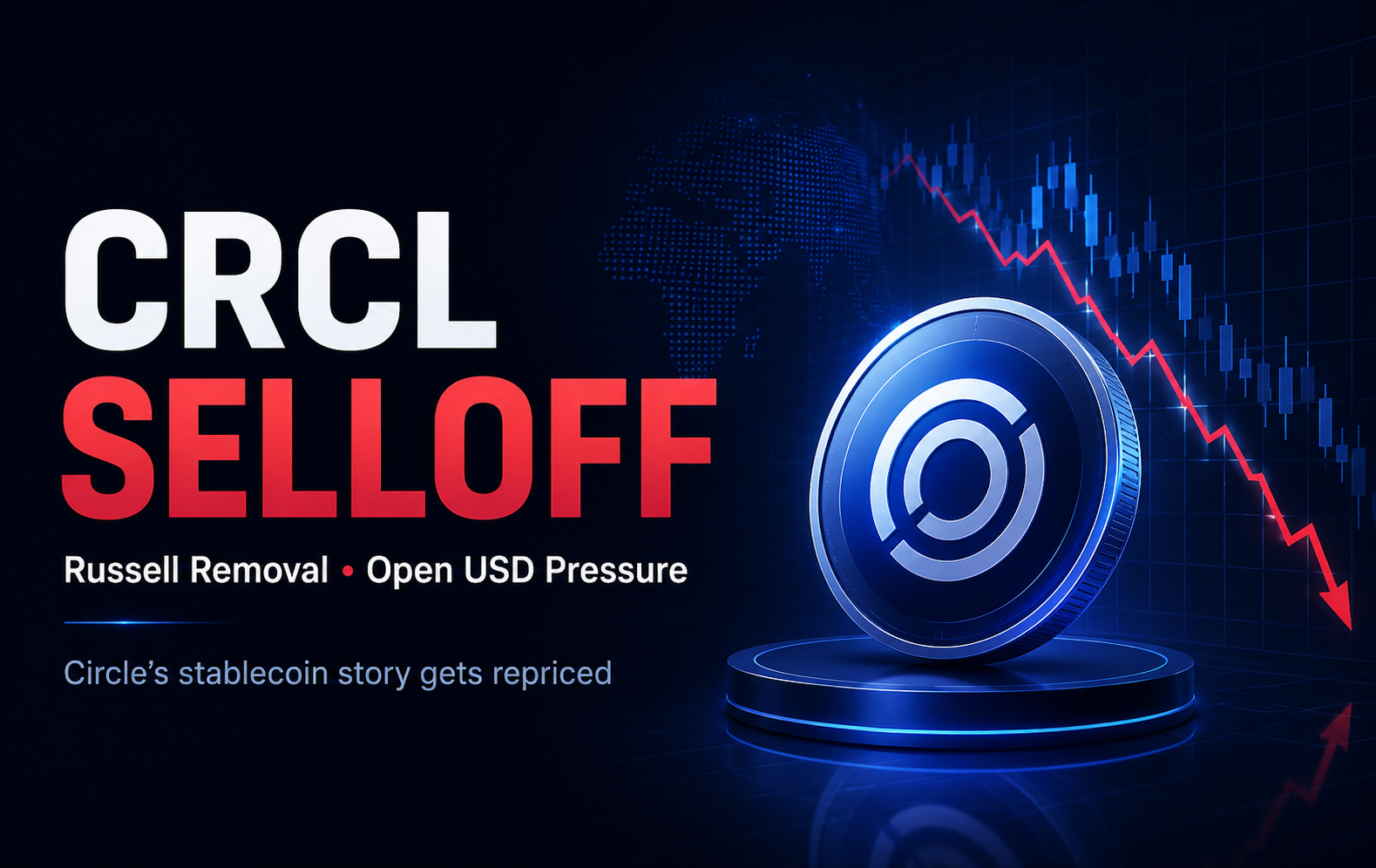
CRCL下落の背景:Russell Growthからの除外とOpen USDの圧力がCircleのステーブルコインの物語を再評価
Circle Internet Group($CRCL)は、最新のRussellインデックス再構成において、複数のRussell Growth関連ベンチマークから除外されたことで売り圧力に直面しました。このインデックスの変更が重要な理由は、多くのパッシブファンドや機関投資家がポートフォリオ構築の一部としてRussellインデックスを使用しているためです。銘柄が広くフォローされているベンチマークから
Bitget、日本市場撤退へ 12月末に未決済ポジション強制決済
Bitgetが2026年8月3日に日本居住者向けサービス終了を発表。12月31日までに未決済ポジションを決済しないと強制決済されるため、資産保有者は期限までの対応が必要です。


関連記事
もっと見る
WTI原油価格、81ドルを2%下回る:トレーダーが注目すべきポイント
WTI 原油価格は日中2%下落し、1バレルあたり81ドルを割り込みました。OIL(WTI) は中東リスク、在庫関連のニュース、そしてマクロ見通しの見直しによって引き起こされた変動局面を経て、再び下落圧力を受けています。この動きは単なる日中の調整ではありません。供給逼迫リスクと需要鈍化という2つの対照的なシナリオの間で、原油トレーダーがどれほど迅速にポジションを切り替えているかを示しています。重要な

AMZN株価、決算後に急騰:アマゾン社のAI投資、ついに実を結んでいるか?
Amazonの2026年第2四半期決算後、AMZN株は急騰しました。投資家は、AWSの成長加速、小売事業の執行力強化、広告収入の増加、そして大幅に拡大したAI投資計画に対して反応しました。AMZNUSDT を注視するトレーダーにとって、重要な問いはもはや「AmazonがAIに積極的な投資を行っているかどうか」ではありません。その点は明らかです。真の問いは、その投資がコストを正当化する十分な成長をも

AIテックセクターは弱気相場に入っているのでしょうか?
AI技術セクターには本格的な圧力がかかっています。半導体株は今年最も急激な調整の一つを経験し、ナスダック100も修正ゾーンに近づき、トレーダーたちは NVDAUSDT と SOXLUSDT を押し上げたAI取引がとうとう行き過ぎたのではないかと疑問を抱いています。明確な答えはこうです:AI取引の一部はすでに弱気相場に入っていますが、より広範なAI技術サイクルはまだ明確に崩れていません。この区別は重