Will Crude Oil Prices Rise Further? 2026 Forecast
Last Updated: April 30, 2026
Many traders are asking one simple question: will crude oil prices rise further? Just a few weeks ago, the market assumed that the $118-$120 level would act as a massive wall of resistance.
However, the energy market has fundamentally shifted. The standoff in the Middle East has escalated from a temporary disruption to a persistent, structural supply crisis. The fact that the Brent 2606 futures contract was the one to definitively break the $120 barrier proves that institutional money is preparing for a crisis that stretches deep into the year, bypassing the usual near-term noise.
Based on the latest geopolitical realities, here are the three major factors driving oil into uncharted territory.
The Hormuz Blockade Becomes a Long-Term Reality
The biggest driver of oil prices right now is the realization that the Strait of Hormuz will not reopen anytime soon. Previously, traders were betting on a "TACO" scenario (Trump Always Chickens Out), expecting the US to back down to save the domestic economy. Instead, the market is facing a "NACHO" reality: Not A Chance Hormuz Opens.
The US administration has explicitly stated that the maritime blockade will continue until a comprehensive nuclear agreement is reached, dismissing a recently proposed three-stage negotiation plan. In response, Iranian leadership has issued strong warnings, noting that the blockade theory is pushing oil past $120, and explicitly stated: "Next step: $140."
Because the Strait of Hormuz historically carries about one-fifth of global oil traffic, the complete paralysis of this waterway has removed millions of barrels from the daily market. Buyers are panicking, realizing this could last for months rather than days. As long as there is no clear resolution, the futures curve will continue to price in severe forward shortages.
Supply Anxiety Overpowers OPEC News
Even significant shifts within oil cartels are being ignored by the panicked market. Recently, the UAE made the historic decision to exit OPEC. Under normal circumstances, a major producer leaving OPEC to potentially increase output would crash the price of oil.
However, the market completely shrugged off this news. Why? Because it does not matter how much oil the UAE can pump if their export vessels cannot safely navigate through the Strait of Hormuz. The physical chokepoint means that any newly produced Middle Eastern oil is effectively trapped. As a result, global physical supplies will continue to shrink, acting as a relentless bullish catalyst.
Inflation and the Bond Market Contagion
The surge past $120 is no longer just an energy story; it is a macroeconomic crisis. The rising cost of oil has directly infected the bond market. For the first time since last summer, the 30-year US Treasury yield has touched 5% as traders aggressively price in a new wave of long-term inflation.
Consumers are already feeling the pain, with the US national average for gasoline spiking to $4.23 per gallon. This persistent inflation has tied the hands of the Federal Reserve. The central bank recently held interest rates steady, directly citing the Gulf oil crisis as a source of extreme economic uncertainty. When energy costs drive inflation higher, the critical variables shift from daily oil price movements to the duration of the blockade and how central banks will be forced to reprice their interest rate paths.
How to Trade This Volatile Market
The shift from a short-term crisis to a prolonged macro standoff means intraday volatility will remain explosive. You do not need to buy and hold physical assets or rely on slow traditional brokers.
By using a platform like MEXC, you gain direct access to the two most important global benchmarks to trade these exact headlines:
OIL(BRENT)USDT: Trade the direct impact of the Hormuz blockade and international shipping paralysis.
OIL(WTI)USDT: Trade the American domestic reaction and the impact of the US strategic reserves.
MEXC charges a strict 0% fee on futures trading, offering up to 200x leverage. This allows you to enter and exit the market instantly when breaking news hits the wires, keeping all of your profits without paying high broker commissions. Log in today, fund your account with USDT, and position yourself ahead of the next major macro move.

人気記事
もっと見る
CPIが急上昇し、利上げ懸念が強まる中、米国債利回りが5%を突破、19年ぶりの高水準に:市場は何を織り込んでいるのか? | MEXC Alpha Trader 週間分析
2026年9月 第2週 報告期間:2026年9月9日~9月15日 データ基準日:2026年9月15日 市場概況 先週の暗号資産市場は、市場予想を上回るインフレデータ、利上げ観測の強まり、地政学的リスクの高まりという複数の下落要因が重なり、持続的な圧力を受けました。BTC は期間開始時点で$78,000付近からスタートしましたが、CPIが市場予想を上回り、米国債利回りが5%の節目を突破する中で下落基

MEXC Alpha Trader Investment Research Weekly | "US Dollar Depreciation Trade" Ignites the Market, BTC and Gold Break Through Simultaneously—A New Paradigm or a Short-Term Frenzy?
2026年8月の第3週 統計期間:2026/8/19 – 2026/8/25 データ取得時点:2026/8/25 主要な動向 直近1週間、暗号資産市場では珍しく一斉な上昇が見られました。ビットコインは週初めに約$64,000でスタートし、$65,000、$70,000、$75,000、$80,000という4つの主要な整数ラインを次々と突破しました。8月25日のアジア市場時点では、BTCは$80,9

OXYONとは?OndoによるOccidental Petroleum株式のトークン化を解説
Summary OXYON, styled by Ondo as OXYon, is a tokenized product designed to provide economic exposure linked to Occidental Petroleum Corporation (NYSE: OXY). The product chain is: Oil and Gas Markets ↓

人気暗号資産情報
もっと見る
ビットコインETFの流入が8日間の連続記録を達成:なぜBTCは80,000ドルを維持できないのか?
概要について 米国証券取引委員会に登録された規制開示と公的ファンド資産追跡によると、米国の現物ビットコイン上場投資信託は、8つの連続した取引セッションで純流入を記録し、集計機関資本で数十億ドルを吸収しました。Black Rock(IBIT)とFidelity(FBTC)をリードする資本コンジットは、引き続き堅調な純シェア創造を記録しており、登録投資顧問やファミリーオフィスからの持続的なデジタル資産

財政部長は自ら、ビットコインの備蓄が進んでいることを確認し、CLARITY Actは今夏に確定するのか?
アメリカ合衆国財務長官のスコット・ベッセント氏は、戦略的ビットコイン準備金が「意図的なスピード」で進んでいることを確認し、CLARITY法が今年の夏に可決されるよう求めました。これがビットコイン価格と機関の暗号通貨の採用にとってどのような意味を持つかを以下に示します。 概要について 2026年6月3日、米国財務長官のスコット・ベッセントは、2027年の連邦予算に関する公聴会のために上院財務委員会の

クリプトPACはテキサス州で6回中6回成功: 1000万ドルを費やし、一度に1つの政権変更を行う
暗号通貨PACはテキサス州の予備選挙で1000万ドル以上を費やし、参加したすべてのレースに勝利しました。政治資金が共和党に傾く中、Fairshakeの戦争資金は1億9300万ドルに達し、トランプはCFTCを支持しました。以下は、暗号通貨規制と市場にとっての意味です。 概要について 2026年5月27日のテキサス州予備選挙決選投票は、暗号通貨の政治的な台頭における転換点を示しました。フェアシェイクと

トレンドニュース
もっと見る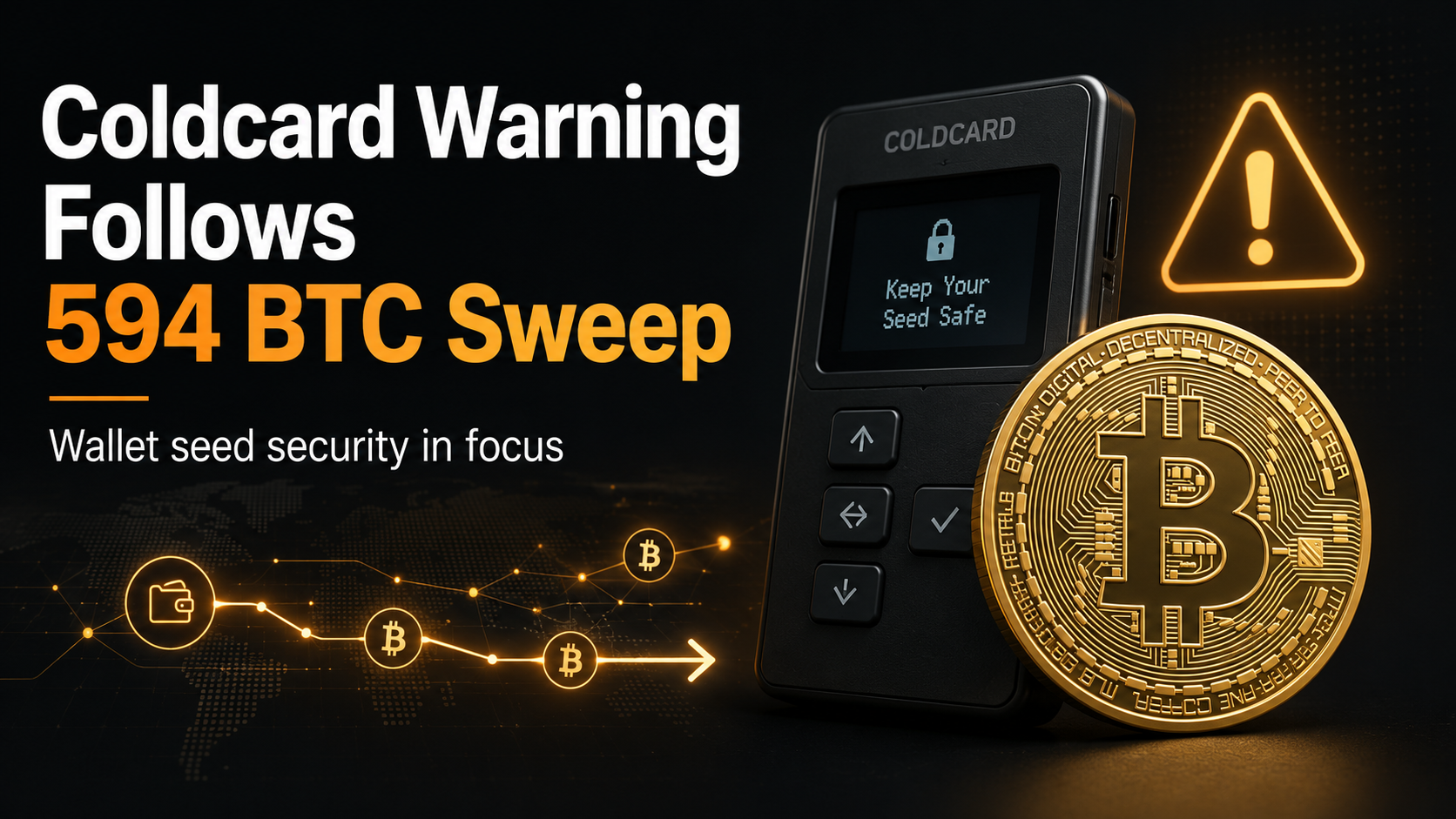
Coldcard Mk3の警告、3800万ドル相当のBitcoin掃討後に発生、原因は未確認
ビットコインハードウェアウォレットメーカーのCoinkiteは、4.0.1以降のすべてのMk3ファームウェアバージョンを含むColdcardデバイスに影響を与えるシード生成の問題についてユーザーに警告しました。この警告は、セキュリティ研究者が約3,800万ドル相当の594.48 BTCの組織的な移転を調査している中で出されました。しかし、Coldcardの問題がこれらの送金を引き起こしたことを確認

Bitget、日本市場撤退へ 12月末に未決済ポジション強制決済
Bitgetが2026年8月3日に日本居住者向けサービス終了を発表。12月31日までに未決済ポジションを決済しないと強制決済されるため、資産保有者は期限までの対応が必要です。


関連記事
もっと見る
WTI原油価格、81ドルを2%下回る:トレーダーが注目すべきポイント
WTI 原油価格は日中2%下落し、1バレルあたり81ドルを割り込みました。OIL(WTI) は中東リスク、在庫関連のニュース、そしてマクロ見通しの見直しによって引き起こされた変動局面を経て、再び下落圧力を受けています。この動きは単なる日中の調整ではありません。供給逼迫リスクと需要鈍化という2つの対照的なシナリオの間で、原油トレーダーがどれほど迅速にポジションを切り替えているかを示しています。重要な

AMZN株価、決算後に急騰:アマゾン社のAI投資、ついに実を結んでいるか?
Amazonの2026年第2四半期決算後、AMZN株は急騰しました。投資家は、AWSの成長加速、小売事業の執行力強化、広告収入の増加、そして大幅に拡大したAI投資計画に対して反応しました。AMZNUSDT を注視するトレーダーにとって、重要な問いはもはや「AmazonがAIに積極的な投資を行っているかどうか」ではありません。その点は明らかです。真の問いは、その投資がコストを正当化する十分な成長をも

AIテックセクターは弱気相場に入っているのでしょうか?
AI技術セクターには本格的な圧力がかかっています。半導体株は今年最も急激な調整の一つを経験し、ナスダック100も修正ゾーンに近づき、トレーダーたちは NVDAUSDT と SOXLUSDT を押し上げたAI取引がとうとう行き過ぎたのではないかと疑問を抱いています。明確な答えはこうです:AI取引の一部はすでに弱気相場に入っていますが、より広範なAI技術サイクルはまだ明確に崩れていません。この区別は重