New York’s top financial regulator urged banks to adopt blockchain analytics, signaling tighter oversight of crypto-linked risks. The move reflects regulators’ concern that traditional institutions face rising exposure to digital assets. While crypto-native firms already rely on monitoring tools, the Department of Financial Services now expects banks to use them to detect illicit activity. NYDFS Outlines Compliance Expectations The notice, issued on Wednesday by Superintendent Adrienne Harris, applies to all state-chartered banks and foreign branches. In its industry letter, the New York State Department of Financial Services (NYDFS) emphasized that blockchain analytics should be integrated into compliance programs according to each bank’s size, operations, and risk appetite. The regulator cautioned that crypto markets evolve quickly, requiring institutions to update frameworks regularly. “Emerging technologies introduce evolving threats that require enhanced monitoring tools,” the notice stated. It stressed the need for banks to prevent money laundering, sanctions violations, and other illicit finance linked to virtual currency transactions. To that end, the Department listed specific areas where blockchain analytics can be applied: Screening customer wallets with crypto exposure to assess risks. Verifying the origin of funds from virtual asset service providers (VASPs). Monitoring the ecosystem holistically to detect money laundering or sanctions exposure. Identifying and assessing counterparties, such as third-party VASPs. Evaluating expected versus actual transaction activity, including dollar thresholds. Weighing risks tied to new digital asset products before rollout. These examples highlight how institutions can tailor monitoring tools to strengthen their risk management frameworks. The guidance expands on NYDFS’s Virtual Currency-Related Activities (VCRA) framework, which has governed crypto oversight in the state since 2022. Regulators Signal Broader Impact Market observers say the notice is less about new rules and more about clarifying expectations. By formalizing the role of blockchain analytics in traditional finance, New York is reinforcing the idea that banks cannot treat crypto exposure as a niche concern. Analysts also believe the approach could ripple beyond New York. Federal agencies and regulators in other states may view the guidance as a blueprint for aligning banking oversight with the realities of digital asset adoption. For institutions, failure to adopt blockchain intelligence tools may invite regulatory scrutiny and undermine their ability to safeguard customer trust. With crypto now firmly embedded in global finance, New York’s stance suggests that blockchain analytics are no longer optional for banks — they are essential to protecting the financial system’s integrity.New York’s top financial regulator urged banks to adopt blockchain analytics, signaling tighter oversight of crypto-linked risks. The move reflects regulators’ concern that traditional institutions face rising exposure to digital assets. While crypto-native firms already rely on monitoring tools, the Department of Financial Services now expects banks to use them to detect illicit activity. NYDFS Outlines Compliance Expectations The notice, issued on Wednesday by Superintendent Adrienne Harris, applies to all state-chartered banks and foreign branches. In its industry letter, the New York State Department of Financial Services (NYDFS) emphasized that blockchain analytics should be integrated into compliance programs according to each bank’s size, operations, and risk appetite. The regulator cautioned that crypto markets evolve quickly, requiring institutions to update frameworks regularly. “Emerging technologies introduce evolving threats that require enhanced monitoring tools,” the notice stated. It stressed the need for banks to prevent money laundering, sanctions violations, and other illicit finance linked to virtual currency transactions. To that end, the Department listed specific areas where blockchain analytics can be applied: Screening customer wallets with crypto exposure to assess risks. Verifying the origin of funds from virtual asset service providers (VASPs). Monitoring the ecosystem holistically to detect money laundering or sanctions exposure. Identifying and assessing counterparties, such as third-party VASPs. Evaluating expected versus actual transaction activity, including dollar thresholds. Weighing risks tied to new digital asset products before rollout. These examples highlight how institutions can tailor monitoring tools to strengthen their risk management frameworks. The guidance expands on NYDFS’s Virtual Currency-Related Activities (VCRA) framework, which has governed crypto oversight in the state since 2022. Regulators Signal Broader Impact Market observers say the notice is less about new rules and more about clarifying expectations. By formalizing the role of blockchain analytics in traditional finance, New York is reinforcing the idea that banks cannot treat crypto exposure as a niche concern. Analysts also believe the approach could ripple beyond New York. Federal agencies and regulators in other states may view the guidance as a blueprint for aligning banking oversight with the realities of digital asset adoption. For institutions, failure to adopt blockchain intelligence tools may invite regulatory scrutiny and undermine their ability to safeguard customer trust. With crypto now firmly embedded in global finance, New York’s stance suggests that blockchain analytics are no longer optional for banks — they are essential to protecting the financial system’s integrity.

New York Regulators Push Banks to Adopt Blockchain Analytics

2025/09/18 08:49

New York’s top financial regulator urged banks to adopt blockchain analytics, signaling tighter oversight of crypto-linked risks.

The move reflects regulators’ concern that traditional institutions face rising exposure to digital assets. While crypto-native firms already rely on monitoring tools, the Department of Financial Services now expects banks to use them to detect illicit activity.

NYDFS Outlines Compliance Expectations

The notice, issued on Wednesday by Superintendent Adrienne Harris, applies to all state-chartered banks and foreign branches. In its industry letter, the New York State Department of Financial Services (NYDFS) emphasized that blockchain analytics should be integrated into compliance programs according to each bank’s size, operations, and risk appetite.

The regulator cautioned that crypto markets evolve quickly, requiring institutions to update frameworks regularly.

It stressed the need for banks to prevent money laundering, sanctions violations, and other illicit finance linked to virtual currency transactions. To that end, the Department listed specific areas where blockchain analytics can be applied:

  • Screening customer wallets with crypto exposure to assess risks.
  • Verifying the origin of funds from virtual asset service providers (VASPs).
  • Monitoring the ecosystem holistically to detect money laundering or sanctions exposure.
  • Identifying and assessing counterparties, such as third-party VASPs.
  • Evaluating expected versus actual transaction activity, including dollar thresholds.
  • Weighing risks tied to new digital asset products before rollout.

These examples highlight how institutions can tailor monitoring tools to strengthen their risk management frameworks.

The guidance expands on NYDFS’s Virtual Currency-Related Activities (VCRA) framework, which has governed crypto oversight in the state since 2022.

Regulators Signal Broader Impact

Market observers say the notice is less about new rules and more about clarifying expectations. By formalizing the role of blockchain analytics in traditional finance, New York is reinforcing the idea that banks cannot treat crypto exposure as a niche concern.

Analysts also believe the approach could ripple beyond New York. Federal agencies and regulators in other states may view the guidance as a blueprint for aligning banking oversight with the realities of digital asset adoption. For institutions, failure to adopt blockchain intelligence tools may invite regulatory scrutiny and undermine their ability to safeguard customer trust.

With crypto now firmly embedded in global finance, New York’s stance suggests that blockchain analytics are no longer optional for banks — they are essential to protecting the financial system’s integrity.

시장 기회
Shiba Inu Treat 로고
Shiba Inu Treat 가격(TREAT)
$0.0007116
$0.0007116$0.0007116
+0.07%
USD
Shiba Inu Treat (TREAT) 실시간 가격 차트
면책 조항: 본 사이트에 재게시된 글들은 공개 플랫폼에서 가져온 것으로 정보 제공 목적으로만 제공됩니다. 이는 반드시 MEXC의 견해를 반영하는 것은 아닙니다. 모든 권리는 원저자에게 있습니다. 제3자의 권리를 침해하는 콘텐츠가 있다고 판단될 경우, service@support.mexc.com으로 연락하여 삭제 요청을 해주시기 바랍니다. MEXC는 콘텐츠의 정확성, 완전성 또는 시의적절성에 대해 어떠한 보증도 하지 않으며, 제공된 정보에 기반하여 취해진 어떠한 조치에 대해서도 책임을 지지 않습니다. 본 콘텐츠는 금융, 법률 또는 기타 전문적인 조언을 구성하지 않으며, MEXC의 추천이나 보증으로 간주되어서는 안 됩니다.

추천 콘텐츠

NY Fed President Highlights CPI Distortion After Shutdown
NY Fed President Highlights CPI Distortion After Shutdown

NY Fed President John Williams discusses the November CPI distortion due to a six-week government shutdown impacting data collection.
공유하기
CoinLive2025/12/21 07:54
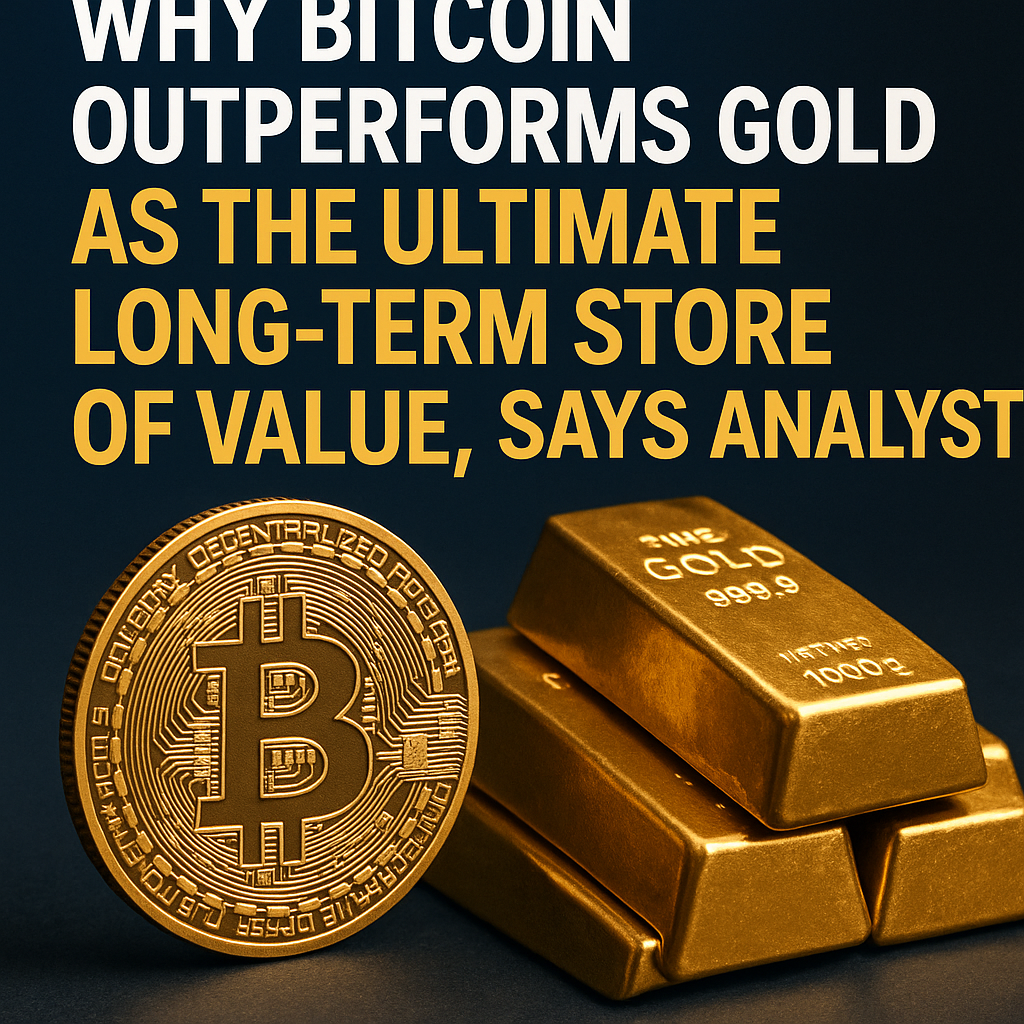
Why Bitcoin Outperforms Gold as the Ultimate Long-Term Store of Value, Says Analyst

Why Bitcoin Outperforms Gold as the Ultimate Long-Term Store of Value, Says Analyst

Bitcoin’s Long-Term Outperformance Over Gold, Says Expert Bitcoin is poised to outperform gold over the long term, according to market analyst and Bitcoin advocate
공유하기
Crypto Breaking News2025/12/21 08:01
Big Bull Cathie Wood Makes Flash Statements: “Gold, Compared to Bitcoin…”

Big Bull Cathie Wood Makes Flash Statements: “Gold, Compared to Bitcoin…”

The post Big Bull Cathie Wood Makes Flash Statements: “Gold, Compared to Bitcoin…” appeared on BitcoinEthereumNews.com. ARK Invest CEO and Chief Investment Officer (CIO) Cathie Wood made remarkable statements on many topics, from global markets to US inflation, from the cryptocurrency industry to initial public offerings (IPOs), during the Bloomberg ETF IQ program on Bloomberg TV. Answering questions from Katie Greifeld, Eric Balchunas, and Scarlet Fu, Wood painted an optimistic picture for the markets, particularly defending Bitcoin’s superiority over gold. The most resonant part of Wood’s speech was his statement of faith in Bitcoin: “Bitcoin is undoubtedly better than gold.” Wood noted that investors are currently implementing a “barbell strategy” involving stocks (in anticipation of low interest rates and economic recovery) and gold/crypto assets (as a hedge), adding that cryptocurrencies have performed well over time despite being more volatile. Wood noted that ARK Invest has “very good exposure” to the cryptocurrency cycle, arguing that stablecoins (Tether and Circle, 90% of the market) provide a significant gateway to the decentralized finance (DeFi) ecosystem. He also explained why his funds favor Digital Asset Trusts (DATs) like Bitmine and Soulmate over Ether exchange-traded funds (ETFs). The primary reason, Wood explained, is that generating returns through staking is a crucial part of the Ethereum story, something ETFs currently don’t allow. He noted that this strategy gives ARK exposure to the “big three” of Bitcoin, Ethereum, and Solana. *This is not investment advice. Follow our Telegram and Twitter account now for exclusive news, analytics and on-chain data! Source: https://en.bitcoinsistemi.com/big-bull-cathie-wood-makes-flash-statements-gold-compared-to-bitcoin/
공유하기
BitcoinEthereumNews2025/10/02 15:47