Ministry of Education launches online platform for academic credentials verification
The Federal Ministry of Education has made the process of verifying academic credentials and qualifications fully online. Applicants seeking to authenticate or evaluate their credentials no longer need to visit the ministry in person.
In a press release dated April 15, 2026, and signed by Boriowo Folasade, the Director of Press and Public Relations, the ministry announced that all applications for academic credential authentication and evaluation must now be submitted exclusively online through its official verification portal at essverify.education.gov.ng.
This change is part of the federal government’s broader plan to digitise public services, manage information, and address inefficiencies associated with manual, paper-based systems. The ministry says this shift fits with the government’s goal to use new technology in education.
The credential verification process in Nigeria has been significantly improved. Previously, applicants had to visit the ministry’s office in Abuja, which was slow, costly, and often delayed, especially for those travelling from other cities. The entire process is now fully online.
 Federal Ministry of Education headquarters, Abuja
To use the new system, applicants must register on the online portal and upload all necessary documents. Applicants must also request that their universities, polytechnics, or other awarding institutions send academic transcripts directly to ess1@education.gov.ng for verification.
The ministry stated that transcripts must be sent directly by the issuing institutions.
What the shift means for education credential applicants
The practical implications of this shift are broad. Credential authentication is a requirement for a wide range of purposes, including postgraduate admissions, international applications, employment verification, and professional licensing.
The process has frustrated many applicants for years. Applicants often wait weeks or even months for their documents to be processed. Others are exploited by middlemen due to the unclear system.
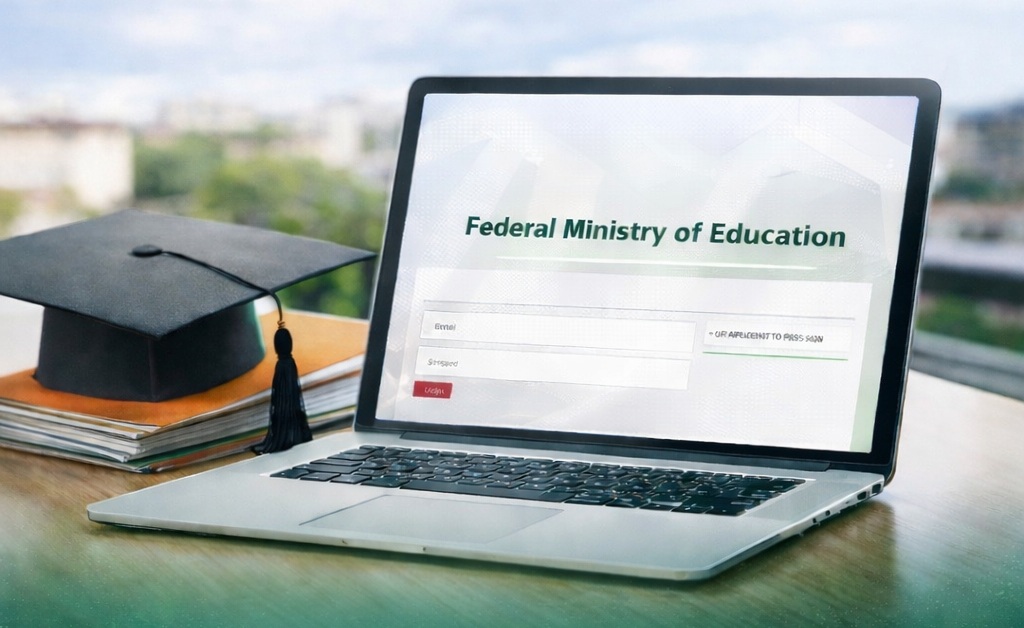
A digital platform, if done right, can solve many problems at once. It provides a clear record for every application, reduces the risk of document tampering, and eliminates the need for applicants outside Abuja to be physically present.
Read also: How to apply for FG’s ₦25k/month technical and vocational training programme
The ministry said the transition aims to make academic credential verification more efficient by streamlining procedures and reducing processing time, ultimately enhancing the integrity and credibility of the verification system.
 Dr Tunji Alausa (IM: Federal Ministry of Education)
This improvement is crucial, given longstanding challenges such as certificate forgery and fraudulent verification activities that have compromised its reliability in the past. With these changes, the ministry hopes to establish a more trustworthy framework for verifying academic credentials.


추천 콘텐츠

Solana Recovery Wave Building: Will It Break Out Of The Channel?

Solana price risks drop to $75 as MACD forms bearish crossover