USD/CAD trades with a positive tone on Tuesday as a stronger US Dollar (USD) offsets support from elevated Oil prices for the Canadian Dollar (CAD). At the time of writing, the pair is trading around 1.3715, hovering near its highest level since April 16.
The Greenback extends its intraday advance after US inflation data came in hotter than expected. Data released by the Bureau of Labor Statistics showed the headline Consumer Price Index (CPI) rose 0.6% MoM in April after increasing 0.9% in March, in line with market expectations. On an annual basis, inflation accelerated to 3.8% from 3.3% previously, exceeding forecasts of 3.7%.
Meanwhile, core CPI, which excludes volatile food and energy prices, rose 0.4% MoM, up from 0.2% in March and above expectations of 0.3%. Annual core inflation climbed to 2.8% from 2.6%, also exceeding forecasts of 2.7%.
The data pushed US Treasury yields higher and lifted the US Dollar Index (DXY) toward 98.40 as traders increased bets that the Federal Reserve (Fed) could keep borrowing costs elevated through year-end. According to the CME FedWatch Tool, the probability of a rate hike at the September meeting currently stands near 13.5%, rising to around 32% for the December meeting.
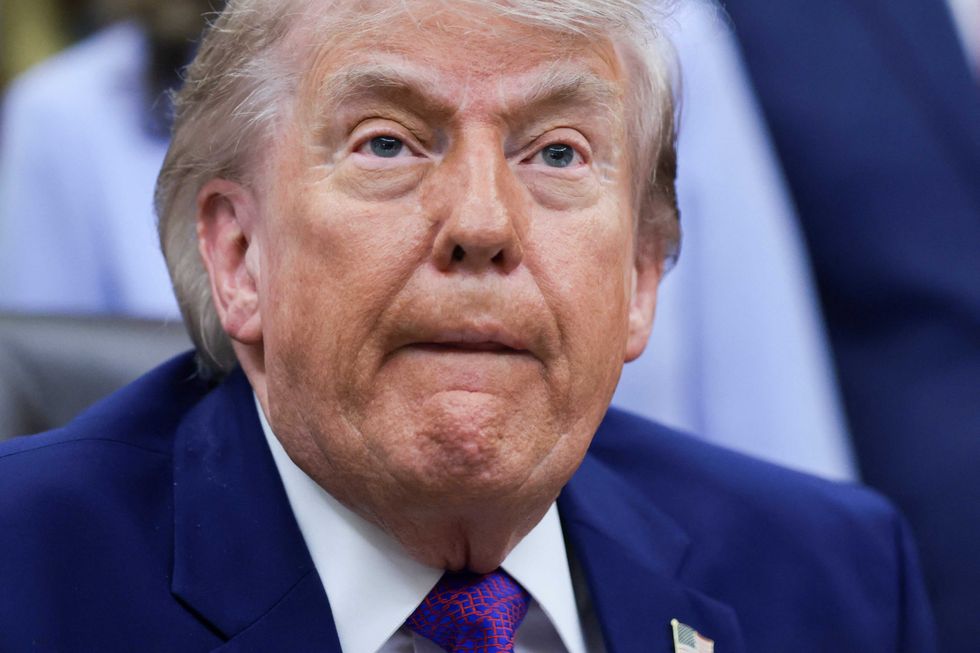
At the same time, stalled US-Iran peace negotiations are providing additional support to the US Dollar, with no near-term resolution in sight. US President Donald Trump told reporters in the Oval Office on Monday that the ceasefire is “on massive life support.”
However, gains in USD/CAD could be limited as rising crude Oil prices amid ongoing disruptions through the Strait of Hormuz provide underlying support for the commodity-linked Canadian Dollar.
Looking ahead, Canada’s economic calendar remains relatively light this week, leaving USD/CAD largely at the mercy of broader US Dollar and Oil price dynamics. Market attention is expected to remain squarely focused on developments surrounding the US-Iran negotiations.
In the United States, traders will also watch the Producer Price Index (PPI) data due on Wednesday, followed by Retail Sales figures on Thursday.
Fed FAQs
Monetary policy in the US is shaped by the Federal Reserve (Fed). The Fed has two mandates: to achieve price stability and foster full employment. Its primary tool to achieve these goals is by adjusting interest rates.
When prices are rising too quickly and inflation is above the Fed’s 2% target, it raises interest rates, increasing borrowing costs throughout the economy. This results in a stronger US Dollar (USD) as it makes the US a more attractive place for international investors to park their money.
When inflation falls below 2% or the Unemployment Rate is too high, the Fed may lower interest rates to encourage borrowing, which weighs on the Greenback.
The Federal Reserve (Fed) holds eight policy meetings a year, where the Federal Open Market Committee (FOMC) assesses economic conditions and makes monetary policy decisions.
The FOMC is attended by twelve Fed officials – the seven members of the Board of Governors, the president of the Federal Reserve Bank of New York, and four of the remaining eleven regional Reserve Bank presidents, who serve one-year terms on a rotating basis.
In extreme situations, the Federal Reserve may resort to a policy named Quantitative Easing (QE). QE is the process by which the Fed substantially increases the flow of credit in a stuck financial system.
It is a non-standard policy measure used during crises or when inflation is extremely low. It was the Fed’s weapon of choice during the Great Financial Crisis in 2008. It involves the Fed printing more Dollars and using them to buy high grade bonds from financial institutions. QE usually weakens the US Dollar.
Quantitative tightening (QT) is the reverse process of QE, whereby the Federal Reserve stops buying bonds from financial institutions and does not reinvest the principal from the bonds it holds maturing, to purchase new bonds. It is usually positive for the value of the US Dollar.
Source: https://www.fxstreet.com/news/usd-cad-climbs-after-strong-us-inflation-data-reinforces-hawkish-fed-outlook-202605121443